

Table of Contents
In the world of audio recording, capturing sound with precision and clarity is of utmost importance. Whether you’re recording music, conducting interviews, or capturing audio in a live setting, the choice of microphone plays a critical role in achieving professional-grade results. One microphone type that stands out for its ability to focus on the sound source while minimizing background noise is the supercardioid microphone. In this comprehensive guide, we’ll delve deep into the world of supercardioid microphones, exploring their unique characteristics, applications across various domains, popular models, and how to make an informed choice when considering a supercardioid microphone for your audio needs.
Understanding the Supercardioid Microphone

Before we dive into the details, let’s start by understanding what a supercardioid microphone is and how it differs from other microphone types.
- Polar Patterns
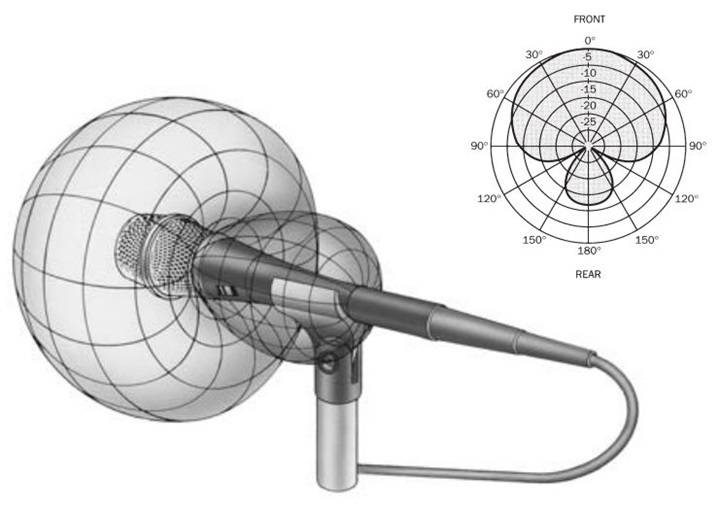
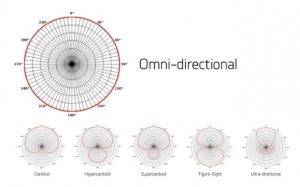
A microphone’s polar pattern defines its sensitivity to sound from different directions. Supercardioid microphones have a specific polar pattern known as “supercardioid,” which is narrower and more focused than both the standard “cardioid” and “hypercardioid” patterns.
- Focused Sound Capture
Supercardioid microphones are designed to capture sound primarily from the front while rejecting sound from the sides and rear. This focused pickup pattern makes them excellent choices for isolating a specific sound source in a noisy or crowded environment.
- Rear Rejection
One distinctive feature of supercardioid microphones is their pronounced rear rejection. This means they are highly effective at minimizing sound pickup from behind the microphone, reducing unwanted background noise.
Now that we’ve laid the foundation, let’s explore the practical applications of supercardioid microphones across various domains.
Applications of Supercardioid Microphones
Supercardioid microphones are versatile tools with a range of applications in the world of audio recording and sound reinforcement:
- Live Sound Reinforcement
In live music performances, supercardioid microphones excel at isolating individual instruments or vocalists on stage. They help reduce feedback and bleed from nearby sound sources, allowing for cleaner and more defined audio.
- Broadcasting and Podcasting
In radio broadcasting, podcasting, and voiceovers, supercardioid microphones provide excellent off-axis rejection, ensuring that the primary sound source is captured with clarity while minimizing ambient noise.
- Field and Location Recording
For field and location sound recording, supercardioid microphones are frequently used to capture dialogue and sound effects with precision while minimizing ambient noise in outdoor or unpredictable environments.
- Film and Television Production
In film and television production, supercardioid microphones are indispensable for capturing dialogue and Foley sound effects with precision. They excel in isolating sound sources in busy and noisy settings.
- Musical Instruments
Musicians and recording engineers use supercardioid microphones in the studio to record individual instruments, such as acoustic guitars, snare drums, and brass instruments, with exceptional detail and rejection of unwanted sound.
Now, let’s explore some popular supercardioid microphone models that have earned recognition in the industry for their performance and versatility.
Popular Supercardioid Microphone Models
As technology continues to advance, several supercardioid microphone models have emerged as top choices for various applications:
- Shure SM58
The Shure SM58 is an iconic dynamic supercardioid microphone known for its durability, reliability, and versatility. It’s a go-to microphone for live vocals and instruments.
- Audio-Technica AT4053b
The Audio-Technica AT4053b is a supercardioid condenser microphone known for its versatility and ability to capture detailed audio. It’s favored by sound engineers and content creators.
- Sennheiser MKH 416
The Sennheiser MKH 416 is a shotgun microphone with a supercardioid pattern, renowned for its off-axis rejection and use in film and television production.
- Electro-Voice RE20
The Electro-Voice RE20 is a dynamic supercardioid microphone often used in radio broadcasting and podcasting for its exceptional clarity and sound quality.
- Rode NTG3
The Rode NTG3 is a shotgun microphone with a supercardioid pattern, designed for location sound recording and capturing dialogue with precision.
Factors to Consider When Choosing a Supercardioid Microphone
Selecting the right supercardioid microphone involves considering several key factors:
- Intended Use
Determine the primary application for your microphone. Are you recording vocals, instruments, dialogue, or sound effects? Your choice should align with your specific recording needs.
- Budget
Set a budget for your microphone purchase. Supercardioid microphones come in various price ranges, so it’s essential to find one that meets your requirements without exceeding your budget.
- Build Quality
Consider the build quality and durability of the microphone, especially if you plan to use it in demanding environments or for live sound reinforcement.
- Accessories
Check if the microphone comes with essential accessories such as a shock mount, windscreen, or carrying case. These accessories can enhance the microphone’s performance and convenience.
- Connectivity
Ensure that the microphone’s connectivity options match your recording setup. Some supercardioid microphones use XLR connections, while others may offer USB options.
- Sound Characteristics
Pay attention to the microphone’s sound characteristics, including frequency response and sensitivity. Different microphones may have distinct sonic qualities that suit specific applications.
- Off-Axis Rejection
Evaluate the microphone’s off-axis rejection capabilities. A high-quality supercardioid microphone should excel at rejecting sound from the sides and rear.
Practical Tips for Using Supercardioid Microphones
Once you’ve selected your supercardioid microphone, consider these practical tips for optimal use:
- Microphone Placement
Experiment with microphone placement to find the sweet spot for your sound source. Adjust the microphone’s angle and distance to achieve the desired sound capture.
- Acoustic Environment
Pay attention to the acoustic environment where you’re recording. Minimize background noise and reflections through proper room treatment or sound isolation.
- Wind Protection
When recording outdoors or in windy conditions, use a suitable windscreen or foam cover to prevent unwanted wind noise.
- Handling Noise
Handle the microphone carefully to reduce handling noise, especially in live sound settings. Consider using a shock mount or microphone stand for stability.
- Monitoring
Use headphones to monitor the audio while recording. This allows you to detect any unwanted noise or issues in real-time.
For More Login Guides, Visit:
- Embracing Clarity: The Power of Noise-Cancelling Microphones
- Unveiling the Power of Precision: Exploring Hyper cardioid Microphones
- Unveiling the Choice of Pros: What Microphones Do YouTubers Use?
In the world of audio recording and sound reinforcement, achieving precise and clear audio is a top priority. Supercardioid microphones, with their focused pickup patterns and excellent off-axis rejection, offer a powerful solution for isolating sound sources while minimizing background noise. Whether you’re a musician, filmmaker, podcaster, or live performer, a supercardioid microphone can significantly enhance the quality of your audio recordings.
As you embark on your audio journey, consider your specific recording needs, budget, and intended use when selecting a supercardioid microphone. With the right microphone in your arsenal and a keen understanding of its capabilities, you’ll be well-equipped to capture sound with precision and clarity, elevating your audio projects to new heights of excellence.