


Table of Contents
Supercardioid microphones are a hidden gem in the world of audio recording and sound reinforcement. While many enthusiasts and professionals are familiar with common microphone types like cardioid and omnidirectional, supercardioid microphones offer unique benefits and capabilities that deserve exploration. In this comprehensive guide, we will delve into the world of supercardioid microphones, understanding their design, applications, and how to maximize their potential.
What Is a Supercardioid Microphone?
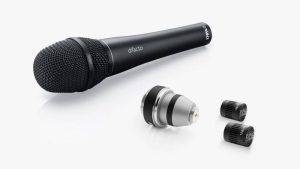
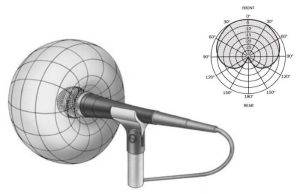
Before we delve into the details, let’s first understand what sets supercardioid microphones apart from other microphone types. Supercardioid microphones are a type of directional microphone, meaning they primarily capture sound from a specific direction while minimizing sound from other directions. The “super” in supercardioid refers to the microphone’s narrower pickup pattern compared to standard cardioid microphones.
The key characteristics of supercardioid microphones include:
Narrow Pickup Pattern:
- Supercardioid microphones have an exceptionally focused pickup pattern that captures sound primarily from the front and rejects sound from the sides and rear.
- This focused pickup pattern makes supercardioid microphones ideal for isolating a sound source in noisy environments or on crowded stages.
Rear Rejection:
- Supercardioid microphones exhibit strong rejection of sound from the rear, minimizing feedback and unwanted ambient noise.
- This rear rejection is particularly valuable in live sound applications, such as concerts and conferences.
Off-Axis Coloration:
- While supercardioid microphones excel in on-axis sound capture, they may exhibit some off-axis coloration, meaning the sound quality can change when speaking or performing off-center.
- Understanding this characteristic helps in positioning the microphone effectively.
Applications of Supercardioid Microphones
Supercardioid microphones find their utility in various professional and creative applications. Let’s explore some of the most common scenarios where supercardioid microphones shine:
Live Sound Reinforcement:
- Supercardioid microphones are frequently used on stage for live performances. They excel at isolating individual instruments or vocals while rejecting feedback from stage monitors.
Broadcast and Podcasting:
- In broadcasting and podcasting, supercardioid microphones are favored for their ability to capture clear and focused voice recordings, even in less-than-ideal acoustic environments.
Field Recording:
- Field recordists often rely on supercardioid microphones to capture specific sounds in nature, wildlife, or urban environments, where isolating the desired sound from background noise is crucial.
Video Production:
- In video production, supercardioid microphones are commonly used as shotgun microphones mounted on cameras or boom poles to capture dialogue and sound effects while rejecting off-axis noise.
Tips for Using Supercardioid Microphones
To make the most of your supercardioid microphone, consider the following tips:
Proper Mic Placement:
- Position the microphone close to the sound source for optimal signal-to-noise ratio.
- Experiment with microphone angles and distances to find the sweet spot for your specific application.
Minimize Off-Axis Sound:
- Be mindful of the microphone’s off-axis coloration. Try to keep the sound source centered for consistent sound quality.
Monitor with Headphones:
- Use headphones to monitor your recordings in real-time. This allows you to detect and correct any off-axis coloration or unwanted noise during recording.
Reduce Room Ambience:
- In less-than-ideal acoustic environments, use acoustic treatment or isolation shields to minimize room reflections and background noise.
Common Supercardioid Microphone Models
Several renowned microphone manufacturers offer high-quality supercardioid microphones tailored to different applications. Here are a few notable models:
Audio-Technica AT4053B:
- Ideal for broadcast, voiceover, and studio recording, this supercardioid microphone offers exceptional clarity and a versatile design.
Sennheiser MKH 416:
- Widely used in the film and television industry, the MKH 416 is a shotgun microphone with a supercardioid pickup pattern, perfect for booming or outdoor recording.
Shure Beta 57A:
- This dynamic supercardioid microphone is a go-to choice for miking guitar amps, snare drums, and other high-SPL (Sound Pressure Level) sources in live sound and studio applications.
Troubleshooting Supercardioid Microphone Issues
Even the best supercardioid microphones can encounter issues from time to time. Here’s how to troubleshoot common problems:
Handling Noise:
- Supercardioid microphones can be sensitive to handling noise. Use a shock mount or isolate the microphone from vibrations to reduce unwanted noise.
Off-Axis Coloration:
- If you notice off-axis coloration, experiment with microphone placement and angle to minimize the issue. Proper positioning can make a significant difference.
Phantom Power Issues:
- Some supercardioid microphones require phantom power. Ensure your audio interface or mixer is providing the necessary phantom power.
Cable and Connection Checks:
- Inspect your microphone cable and connections for any damage or loose connections, as these can lead to intermittent issues.
Enhancing Supercardioid Microphone Performance
To get the most out of your supercardioid microphone, consider these additional tips:
Practice Mic Technique:
- Invest time in honing your microphone technique, especially when working with supercardioid microphones. This includes maintaining consistent distance and angle.
Use Pop Filters:
- Pop filters can help reduce plosive sounds (such as “p” and “b” sounds) and protect the microphone’s diaphragm.
Regular Maintenance:
- Clean your microphone’s grille and diaphragm regularly to ensure consistent performance and longevity.
Related Post:
Unlocking the Potential of Supercardioid Microphones: A Comprehensive Guide
Brancher un-Micro sur iPhone: A Comprehensive Guide
Wireless Microphone for Teachers: A Comprehensive Guide
Supercardioid microphones are versatile tools that offer exceptional sound isolation and directional control. Whether you’re capturing pristine audio for a podcast, recording a live performance, or booming dialogue on a film set, understanding the characteristics and applications of supercardioid microphones is essential. By following the tips in this comprehensive guide, troubleshooting common issues, and selecting the right supercardioid microphone for your needs, you can harness the power of supercardioid microphones to elevate your audio recording and sound reinforcement endeavors. With their focused pickup pattern and impressive rear rejection, supercardioid microphones are your secret weapon for achieving professional-grade sound quality.