


Table of Contents
In the world of audio recording, interviews hold a special place as they bring stories, insights, and life knowledge. Whether you’re a journalist, podcaster, documentary filmmaker, or content creator, having the right microphone for interviews can make all the difference in capturing clear and engaging conversations. In this comprehensive guide, we will dive deep into the realm of microphones for interviews, unraveling their functionality, applications, setup procedures, recording techniques, and invaluable tips to help you become a master of interview audio.
Unveiling the World of Interview Microphones

Before we embark on this audio journey, let’s begin by understanding what interview microphones are and why they are essential:
Introduction to Interview Microphones
- Interview microphones are specialized audio devices designed to capture clear and high-quality sound during interviews.
- They come in various types and configurations, each tailored to specific interview scenarios.
Characteristics of Interview Microphones
- Directionality: Interview microphones can be omnidirectional, cardioid, supercardioid, or shotgun, each offering unique benefits for different settings.
- Portability: Many interview microphones are designed to be portable, making them ideal for on-the-go interviews and fieldwork.
Diverse Applications of Interview Microphones
Interview microphones find applications in various domains, each harnessing their power for different purposes:
Journalism:
- Journalists rely on interview microphones to capture interviews with sources, ensuring that critical information is accurately recorded.
Podcasting:
- Podcasters use interview microphones to host interviews, discussions, and guest appearances on their shows, delivering crisp and professional audio.
Documentary Filmmaking:
- Documentary filmmakers utilize interview microphones to record interviews with subjects and experts, adding depth and authenticity to their storytelling.
Research and Documentation:
- Researchers and historians employ interview microphones to document oral histories and preserve valuable accounts for posterity.
Business and Corporate:
- Businesses conduct interviews for various purposes, such as employee recruitment, market research, and customer testimonials, often utilizing interview microphones to maintain a professional image.
Selecting the Perfect Interview Microphone
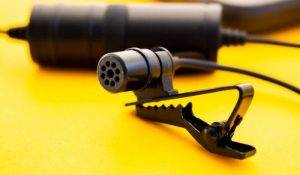
Choosing the right microphone is pivotal for achieving impeccable audio quality during interviews. Consider these factors when making your selection:
Microphone Type:
- Decide between dynamic, condenser, and ribbon microphones based on the specific interview requirements and environmental conditions.
Directionality:
- Select the microphone’s directionality (e.g., cardioid, omnidirectional, shotgun) based on the interview setting and desired audio capture.
Wired vs. Wireless:
- Choose between wired and wireless microphone systems, taking into account mobility and range requirements.
Accessories:
- Invest in essential accessories such as microphone stands, windshields, and shock mounts to enhance audio quality and minimize unwanted noise.
Setting Up Your Interview Microphone
Proper setup and preparation are key to achieving optimal audio quality during interviews. Here’s how to set up your microphone effectively:
Microphone Placement:
- Position the microphone close to the interviewee’s mouth while avoiding handling noise or obstructing the view of their face.
Environment:
- Choose a quiet and controlled environment for interviews, minimizing background noise and distractions that could affect audio quality.
Monitoring:
- Use headphones or in-ear monitors to monitor audio quality during interviews, ensuring that you capture the intended sound with precision.
Audio Recording Device:
- Select a reliable audio recording device, such as a digital recorder or a computer with recording software, to capture and store your interview audio.
Mastering Recording Techniques for Interviews
To capture engaging and high-quality interviews, consider the following recording techniques:
Pre-Interview Preparation:
- Test the microphone, headphones, and recording equipment before the interview to identify and address any technical issues.
Microphone Technique:
- Train interviewees to speak clearly and directly into the microphone, avoiding sudden movements or distractions that may affect audio quality.
Questioning:
- Craft clear and concise questions that facilitate thoughtful responses from interviewees, ensuring that the conversation flows smoothly.
Backup Recording:
- Always have a backup audio recording device or a second microphone as a precaution against technical failures during interviews.
Tips for Maximizing Interview Microphone Performance
To ensure top-notch audio performance during interviews, consider these valuable tips:
Interviewee Comfort:
- Ensure that interviewees are comfortable and at ease, as this can significantly impact the quality of their responses and overall interview experience.
Noise Reduction:
- Implement noise reduction techniques, such as acoustic treatment or noise gates, to minimize background noise in the recording.
Post-Processing:
- Learn basic audio post-processing techniques, such as noise reduction, equalization, and compression, to enhance the final interview audio.
Backup Equipment:
- Always carry spare batteries, cables, and other essential accessories in case of equipment failure during interviews.
Troubleshooting Common Interview Microphone Issues
Even with proper preparation, interview microphone issues can occasionally arise. Here are some common troubleshooting steps:
Handling Noise:
- Minimize handling noise by using shock mounts or boom arms and instructing interviewees on proper microphone handling.
Audio Distortion:
- Adjust microphone gain levels and distance to prevent audio distortion caused by overloading the microphone.
Background Noise:
- Address background noise by selecting a quieter interview location or using directional microphones to isolate the audio source.
Technical Glitches:
- Familiarize yourself with your equipment and practice troubleshooting techniques to quickly resolve technical issues during interviews.
Related Post:
Unleashing Wireless Freedom: A Comprehensive Guide to the Synco G1-A1 Microphone System
Fostering Clear Communication: A Comprehensive Guide to Teaching Microphones
Unlocking Audio Excellence: The Ultimate Guide to Condenser Microphones for Android Phones
Interview microphones are your faithful companions in the world of audio storytelling. Whether you’re unraveling stories, conducting in-depth research, or engaging with guests on your podcast, these microphones help you capture the essence of every conversation.
By following the principles outlined in this comprehensive guide, including microphone selection, setup procedures, recording techniques, and valuable tips, you can harness the full potential of your interview microphones. As you continue to document stories, gather insights, and share knowledge through interviews, your mastery of interview microphones will be your guiding light, ensuring that every word is heard loud and clear, making a lasting impact on your audience.
Embark on your audio journey armed with knowledge and equipped with the right microphone, and let your interviews resonate with clarity and professionalism. Master the art of interview audio, and let the world hear the stories you have to tell.