


Table of Contents
The world of true crime podcasts is an intriguing realm where storytelling meets investigation, captivating millions of listeners worldwide. Stepping into this space can be exhilarating, but the journey from conceptualizing to launching a successful true crime podcast is multifaceted. From selecting gripping narratives to mastering technicalities, every step contributes to the podcast’s allure and impact.
The allure of true crime podcasts lies in their ability to evoke curiosity, suspense, and a deep connection with the audience. Engaging storytelling coupled with meticulous research forms the backbone of these podcasts. But beyond the captivating narratives lies the intricate process of creating, producing, and marketing a podcast that stands out amidst a sea of options.
Choosing Your Niche: Delve into Your Passion

Once you’ve determined the broad category of true crime for your podcast, the next step is to narrow down your focus by selecting a specific niche that aligns with both your interests and expertise. This process involves delving deeper into the vast world of true crime to find a subject matter that not only captivates your audience but also allows you to bring a unique perspective or insight.
Consider exploring various sub-genres within true crime, such as historical mysteries, unsolved cases, forensic investigations, criminal psychology, or even niche themes like white-collar crime or international mysteries. Your choice of niche should reflect your passion and knowledge, as this will enhance your ability to engage listeners and deliver compelling content.
Researching and understanding your chosen niche is paramount. Stay informed about recent developments, historical context, and key players related to the specific area you’ve selected. This knowledge will not only contribute to the authenticity of your podcast but also enable you to provide valuable insights and analysis that set your show apart.
Building a podcast within a focused niche also helps you target a specific audience who shares a keen interest in that particular aspect of true crime. This can lead to a more dedicated and engaged listener base. Furthermore, identifying your niche will guide your content creation process, making it easier to plan episodes, conduct interviews, and establish a consistent theme for your podcast.
In addition to narrowing down your focus, it’s essential to stay adaptable. As you progress with your podcast, you may discover new aspects of your chosen niche that resonate even more with your audience. Being open to evolving your content based on listener feedback and emerging trends will contribute to the long-term success and growth of your true crime podcast.
Crafting Compelling Narratives: Unveil the Story

Storytelling is a powerful skill that transcends various domains, from public speaking to marketing and beyond. To truly master the art of storytelling, one must delve into the intricacies of effective communication and narrative construction.
Begin by understanding your audience. Tailoring your storytelling approach to their interests, preferences, and level of familiarity with the subject matter is crucial. Conduct thorough research to gather relevant information, anecdotes, and compelling data that will enrich your narrative. This not only adds depth to your story but also establishes your credibility as a storyteller.
Consider the structure of your story. A well-crafted narrative often follows a chronological order, allowing listeners to follow a logical sequence of events. Introduce a captivating opening that grabs attention, develops the plot in a coherent manner, and concludes with a strong resolution. This structure not only helps in keeping the audience engaged but also enhances the impact of your message.
Utilize vivid imagery and descriptive language to create a mental picture for your audience. Engage their senses by painting scenes with words, making the story more immersive and memorable. A well-chosen metaphor or analogy can also add layers of meaning, making your narrative more relatable and resonant.
Inject emotion into your storytelling. Humans connect with stories on an emotional level, so incorporating feelings and personal experiences can forge a deeper connection with your audience. Whether it’s joy, sadness, excitement, or empathy, the emotional elements of your story can leave a lasting impression.
Mastering storytelling also involves effective pacing. Vary the tempo of your delivery to build suspense, heighten drama, or provide moments of reflection. This dynamic approach ensures that your audience remains attentive throughout the narrative.
Practice the art of spontaneity. While a well-rehearsed story is essential, being adaptable allows you to respond to the energy of your audience. Be open to subtle changes in delivery, pacing, or emphasis based on the reactions of those listening.
Incorporate the power of silence. Pauses can be as impactful as words. Strategic breaks allow your audience to process information, anticipate the next development, and maintain a sense of anticipation.
Recording Essentials: Setting up Your Studio

Delving into the technical aspects of storytelling involves recognizing the importance of audio quality in conveying your narrative effectively. Whether you’re presenting in person or recording your stories for a wider audience, paying attention to the tools you use can significantly enhance the overall experience.
First and foremost, invest in quality recording equipment. A good microphone is crucial for capturing clear and crisp audio. Different microphones serve different purposes, so choose one that aligns with your specific needs. Dynamic microphones are ideal for live performances or environments with ambient noise, while condenser microphones excel in capturing nuanced details for studio recordings. Research and test various options to find the microphone that best complements your voice and style of storytelling.
Consider the environment in which you’ll be recording or presenting. Minimize background noise and echoes, as these can distract from the narrative. Acoustic treatments, such as soundproofing and strategic placement of furniture or recording booths, can contribute to a more professional and polished audio production.
Explore different recording software options to find the one that suits your preferences and technical requirements. Programs like Audacity, Adobe Audition, or GarageBand offer a range of features for editing, enhancing, and fine-tuning your audio. Familiarize yourself with the software’s capabilities to ensure that your recordings meet the highest standards of quality.
Understanding basic audio editing techniques can further elevate your storytelling. Learn to adjust volume levels, eliminate background noise, and seamlessly integrate music or sound effects to enhance the emotional impact of your narrative. Practice makes perfect, so take the time to experiment with these tools and techniques to refine your audio production skills.
In addition to technical proficiency, consider the distribution channels for your stories. If you’re creating podcasts, for example, research the best platforms for hosting and sharing your content. Platforms like Spotify, Apple Podcasts, or Google Podcasts each have their own specifications for uploading audio files, so be sure to adhere to their guidelines to ensure optimal playback quality for your audience.
Stay abreast of technological advancements in audio production. New tools and software updates are released regularly, offering improved features and capabilities. Keeping up with these developments ensures that you can leverage the latest technology to enhance the overall quality and impact of your storytelling.
Ultimately, by combining your storytelling prowess with a keen understanding of the technical aspects of audio production, you can create an immersive and captivating experience for your audience, whether they are listening to your stories live or through digital platforms.
Editing Magic: Polishing Your Content

Mastering the basics of editing is a pivotal step in refining your storytelling recordings and ensuring a seamless and engaging experience for your audience. Editing serves as the fine-tuning process that transforms raw recordings into polished, professional narratives. Here are some key aspects to consider:
Smooth Transitions: Pay careful attention to transitions between different segments of your story. Clean, well-executed transitions maintain the flow of the narrative and prevent jarring interruptions. Use fades, crossfades, or other transition techniques to create a cohesive and natural progression between sections. Additionally, consider the pacing of your transitions, as the right timing can enhance the overall rhythm of your storytelling.
Balanced Audio Levels: Achieving a balanced audio mix is essential for a pleasant listening experience. Ensure that your voice remains at a consistent volume throughout the recording, avoiding sudden spikes or drops that can be distracting. Balance the levels of background music, sound effects, and any additional audio elements to complement your narration without overshadowing it. Most editing software provides tools to adjust the volume levels of individual tracks for optimal balance.
Remove Unwanted Noise: Background noise, clicks, pops, or other unwanted sounds can detract from the clarity of your recording. Utilize noise reduction tools to eliminate or minimize these distractions. Be cautious not to overuse noise reduction, as it may affect the quality of your voice. Striking the right balance ensures a clean and professional sound.
Enhance Clarity: Pay attention to the clarity of your voice. Use equalization (EQ) to adjust the frequency balance, emphasizing or reducing certain frequencies to enhance vocal clarity. Experiment with different EQ settings to find the best configuration for your unique voice. Additionally, consider using compression to even out the dynamic range of your narration, ensuring that softer and louder parts are more consistently audible.
Add Depth with Music and Sound Effects: If incorporating background music or sound effects, ensure they complement the mood and tone of your story. Experiment with the placement of music and sound effects to enhance specific moments without overpowering your voice. Carefully choose pieces that contribute to the emotional impact of your narrative.
Practice Non-destructive Editing: Save multiple versions of your project during the editing process and make use of non-destructive editing features in your software. This allows you to experiment with changes without permanently altering your original recording. It also provides the flexibility to revisit and refine your work as needed.
Test and Iterate: After editing your story, take the time to listen to the entire recording as if you were the audience. Pay attention to the pacing, transitions, and overall flow. Make adjustments as needed, and consider seeking feedback from others to gain valuable perspectives on how to further improve the quality of your recordings.
Cover Art and Branding: Captivating Visuals

In the realm of storytelling, visual elements play a crucial role in capturing the attention of potential listeners and establishing a strong brand identity. Creating eye-catching cover art and maintaining a cohesive visual theme across your storytelling platform are essential steps in making a positive first impression.
Create Compelling Cover Art: Invest time in designing a visually striking cover for your storytelling content. The cover serves as the initial point of contact for potential listeners, and a captivating design can entice them to explore your narrative further. Consider incorporating imagery that reflects the essence of your story, using vibrant colors, engaging typography, and relevant graphics. Ensure that the cover is visually appealing even in smaller formats, such as thumbnails on digital platforms.
Consistent Branding Across Platforms: Establish a cohesive brand identity that extends beyond your cover art. Consistency in visual elements builds recognition and reinforces your storytelling brand. Use consistent color schemes, fonts, and graphic elements across your website, social media profiles, podcast thumbnails, and any other platforms where your content is presented. This unified visual identity helps create a memorable and professional image.
Tailor Visuals to Your Story’s Tone: Align the visual design with the tone and theme of your storytelling. Whether your stories are whimsical, suspenseful, or educational, your visual elements should convey the mood and atmosphere of your content. Consider the emotions you want to evoke and choose design elements that resonate with your target audience.
Optimize for Different Platforms: Recognize that your cover art and visual branding may be displayed on various platforms with different specifications. Tailor your designs to fit the requirements of each platform, ensuring that your visuals look appealing and are easily recognizable across different devices and screen sizes.
Include Author or Branding Elements: If applicable, incorporate author or branding elements into your visual design. This could include a logo, author photo, or signature graphics that reinforce your personal or brand identity. Including these elements can help build a connection between you and your audience.
Test and Iterate: Just as with storytelling and audio production, be willing to iterate and refine your visual elements based on feedback and evolving preferences. Conduct A/B testing if possible to gauge the effectiveness of different design elements and make data-informed decisions about what resonates most with your audience.
Stay Current with Design Trends: While maintaining a cohesive brand identity is crucial, staying informed about current design trends can also enhance the visual appeal of your content. Periodically assess design trends in your niche or industry and consider incorporating fresh elements to keep your visuals contemporary and engaging.
Accessibility Considerations: Ensure that your visual elements are accessible to a broad audience. This includes choosing color contrasts that are easy to read, using readable fonts, and providing alternative text for images. Accessibility not only broadens your potential audience but also aligns with inclusive design principles.
Distribution Platforms: Where to Showcase Your Podcast
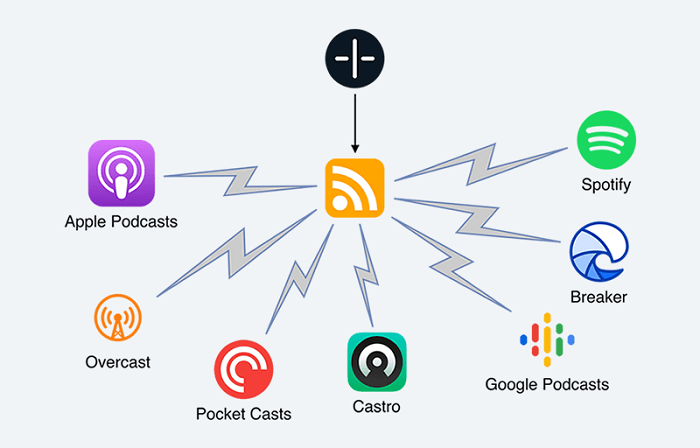
In the digital age, distributing your storytelling content on popular platforms is a strategic move to expand your reach and connect with a broader audience. Familiarizing yourself with platforms like Apple Podcasts, Spotify, and others not only facilitates wider accessibility but also positions your content in spaces where potential listeners actively seek new narratives.
Submit to Podcast Directories: Apple Podcasts and Spotify are among the most widely used podcast directories. Submitting your storytelling content to these platforms ensures visibility to millions of potential listeners. Follow their submission guidelines carefully to optimize your presence and increase the likelihood of being discovered by a diverse audience.
Leverage Apple Podcasts: As one of the leading podcast platforms, Apple Podcasts provides a vast audience base. Optimize your presence by crafting an engaging podcast description that accurately represents your storytelling style and themes. Encourage listeners to leave reviews and ratings, as positive feedback can enhance your visibility within the platform’s algorithms.
Harness the Power of Spotify: Spotify, with its extensive user base, offers a unique opportunity to reach a diverse audience. Explore Spotify’s features, such as playlist inclusion and algorithmic recommendations, to boost your content’s discoverability. Consider creating playlists that curate your best storytelling episodes, making it easier for listeners to explore your content.
Understand Platform-Specific Requirements: Each platform may have specific requirements for metadata, cover art dimensions, and episode formatting. Adhering to these guidelines ensures that your content displays correctly and professionally on each platform. Familiarize yourself with the technical specifications to optimize the presentation of your storytelling content.
Promote Across Social Media: Once your content is available on platforms like Apple Podcasts and Spotify, leverage your social media channels to promote your stories. Share snippets, behind-the-scenes content, or announcements to generate interest and direct followers to your podcast. Engaging with your audience on social media can also foster a sense of community around your storytelling brand.
Consider Niche Platforms: While Apple Podcasts and Spotify are widely popular, consider exploring niche platforms that cater to specific interests or genres. Depending on your storytelling niche, there might be platforms that specialize in content similar to yours, providing an opportunity to tap into a targeted audience.
Monitor Analytics and Insights: Take advantage of the analytics and insights provided by these platforms. Understand your audience demographics, listener behavior, and popular episodes. This data can inform your content strategy, helping you tailor future storytelling endeavors to better resonate with your audience.
Engage with Listener Feedback: Actively engage with listener feedback and comments on these platforms. Responding to reviews, answering questions, and incorporating constructive criticism can strengthen your connection with your audience. It also demonstrates your commitment to creating content that resonates with your listeners.
Stay Updated on Platform Features: Podcast platforms regularly update their features and functionalities. Stay informed about these updates to leverage new tools for audience engagement, promotional opportunities, and content optimization. Being adaptable to platform changes ensures that you are maximizing your storytelling reach.
Promotion Strategies: Building Your Audience

In the competitive landscape of digital content, implementing effective marketing strategies is essential for expanding your listener base and ensuring that your storytelling reaches a wider audience. Here are additional insights into various marketing avenues to boost the visibility of your content:
Harness the Power of Social Media: Social media platforms are potent tools for promoting your storytelling content. Create dedicated profiles for your storytelling brand on platforms like Instagram, Twitter, Facebook, and others. Share engaging content, such as teaser clips, behind-the-scenes glimpses, and promotional graphics. Utilize relevant hashtags to increase discoverability, and encourage your followers to share your content within their networks.
Engage in Collaborations: Collaborate with other storytellers, podcasters, or content creators in your niche. Cross-promotions and collaborations can expose your content to a new audience. Consider guest appearances on other podcasts, joint storytelling projects, or co-hosted episodes. The mutual exchange of audiences can significantly impact your listener base and introduce your content to diverse communities.
Optimize for Search Engines (SEO): Implementing SEO strategies can enhance the discoverability of your storytelling content on search engines. Research keywords relevant to your niche and incorporate them into your podcast titles, descriptions, and episode summaries. A well-optimized podcast website or blog can improve your content’s ranking, making it more likely to appear in search results.
Create Compelling Trailers and Teasers: Craft captivating trailers or teasers for your storytelling episodes. These short snippets can serve as promotional material, offering a glimpse into the tone, style, and themes of your narratives. Share these trailers on various platforms, enticing potential listeners to explore your full episodes.
Build an Email Newsletter: Develop an email newsletter to connect directly with your audience. Encourage listeners to subscribe, and regularly share updates, exclusive content, and behind-the-scenes insights. Email newsletters provide a direct line of communication and can be an effective channel for promoting new episodes or special events.
Utilize Paid Advertising: Consider investing in paid advertising to amplify your reach. Platforms like social media networks and podcast-specific advertising services offer targeted options to showcase your storytelling content to specific demographics. Set a budget for paid promotions and track their effectiveness through analytics.
Participate in Online Communities: Join online communities and forums related to storytelling, podcasts, or your specific niche. Engage in discussions, share your expertise, and discreetly promote your content when relevant. Building relationships within these communities can organically attract new listeners who share similar interests.
Opt for Transcript Services: Transcribing your episodes can contribute to SEO optimization and accessibility. Transcripts allow search engines to index your content more effectively, making it easier for potential listeners to find your storytelling through text-based searches. Additionally, transcripts cater to audience members with hearing impairments.
Monitor Analytics and Iterate: Regularly analyze the performance of your marketing efforts through analytics tools. Track metrics such as website traffic, social media engagement, and listener demographics. Use this data to refine your marketing strategies, focusing on what resonates most with your audience and adjusting your approach accordingly.
Monetization Paths: Turning Passion into Profit

Monetizing your storytelling podcast can not only sustain your creative efforts but also provide opportunities for growth and improvement. Here are various avenues to explore when it comes to generating revenue from your podcast:
Sponsorship Opportunities: Seek out potential sponsors whose products or services align with the themes or interests of your storytelling content. Sponsorship deals can include pre-roll or mid-roll ad placements within your episodes. Ensure that partnerships are authentic and resonate with your audience to maintain credibility.
Affiliate Marketing: Explore affiliate marketing programs where you promote products or services related to your storytelling niche. Include affiliate links in your podcast descriptions or on your website. You earn a commission for each sale generated through these links, providing a passive income stream.
Merchandising: Capitalize on your storytelling brand by creating and selling merchandise. This can include branded apparel, accessories, or even storytelling-themed products. Set up an online store on platforms like Shopify or integrate with existing e-commerce platforms to make purchasing easy for your audience.
Exclusive Memberships or Subscriptions: Offer premium content or exclusive perks to listeners who become paying members or subscribers. This could involve providing early access to episodes, bonus content, or members-only Q&A sessions. Platforms like Patreon and SubscribeStar facilitate the creation of membership tiers for your audience.
Crowdfunding Campaigns: Initiate crowdfunding campaigns to fund specific projects, improve production quality, or support ongoing podcast expenses. Platforms like Kickstarter or Indiegogo allow your audience to contribute financially in exchange for rewards, creating a sense of community involvement.
Live Events and Workshops: Host live events or virtual workshops related to your storytelling niche. Charge admission or registration fees to monetize these events. This not only generates revenue but also provides a unique and interactive experience for your audience.
Donations and Tip Jars: Incorporate donation options or tip jars on your podcast platform or website. Some podcast hosting services offer features for listeners to make one-time or recurring contributions. Express gratitude to donors by acknowledging them in your episodes or providing exclusive content.
License Your Content: Explore licensing opportunities for your storytelling content. This could involve selling the rights to certain episodes or collaborating with other media platforms to use your narratives in different formats, such as animations or short films.
Adaptations and Book Deals: If your storytelling gains significant popularity, explore opportunities for adapting your content into other mediums, such as books, audiobooks, or even film and television. Securing book deals or licensing agreements can provide substantial revenue and expand your storytelling brand.
Consultation and Speaking Engagements: Leverage your expertise in storytelling to offer consultation services or speaking engagements. This could involve providing advice to aspiring storytellers, conducting workshops, or participating in events related to your niche.
Utilize Membership Platforms: Consider platforms like Supercast, where you can set up premium subscription feeds for your audience. Subscribers gain access to bonus content, ad-free episodes, or other perks, creating a revenue stream through a subscription model.
Community Engagement: Connecting with Your Audience

Building a community around your storytelling podcast is not just about expanding your listener base; it’s about cultivating a dedicated and engaged audience. Here are additional strategies to foster a vibrant community and strengthen the connection with your listeners:
Interactive Q&A Sessions: Host regular Q&A sessions where listeners can submit questions or topics related to your storytelling content. This can take place on social media platforms, through email, or even during live streaming events. Responding to audience inquiries not only provides valuable insights into their interests but also creates a sense of direct interaction.
Dedicated Community Forums: Establish a community forum or discussion board where listeners can connect, share their thoughts, and discuss your storytelling narratives. Platforms like Reddit, Discord, or even a dedicated section on your website can serve as spaces for community members to engage in meaningful conversations related to your content.
Live Streaming and Virtual Events: Host live streaming events or virtual meet-ups where you can interact with your audience in real-time. This can include live storytelling sessions, behind-the-scenes glimpses, or interactive discussions. Platforms like Zoom, YouTube Live, or Twitch provide opportunities for direct engagement.
Exclusive Behind-the-Scenes Content: Share behind-the-scenes content that provides a sneak peek into your creative process. This could include bloopers, discussions about the inspiration behind specific stories, or insights into your storytelling journey. Exclusive content builds a sense of exclusivity for community members.
Encourage Listener Contributions: Create opportunities for listeners to contribute to your podcast. This could involve inviting them to submit their stories, participate in themed episodes, or share their favorite moments. Acknowledge and showcase listener contributions, reinforcing a collaborative and inclusive community spirit.
Storytelling Challenges and Contests: Organize storytelling challenges or contests within your community. Encourage listeners to share their interpretations of specific themes or prompts. Recognize and celebrate the winners, fostering a sense of accomplishment and camaraderie among community members.
Regular Updates and Announcements: Keep your community informed and engaged by providing regular updates and announcements. Share upcoming episodes, behind-the-scenes news, or any significant milestones. This keeps the community excited and invested in the ongoing narrative of your podcast.
Community Feedback Sessions: Actively seek feedback from your community on various aspects of your podcast. This could include preferences for storytelling styles, suggestions for future episodes, or feedback on community engagement initiatives. Involving your audience in decision-making creates a collaborative and responsive podcasting environment.
Incorporate User-Generated Content: Showcase user-generated content within your episodes. This could include featuring community members’ stories, comments, or even recording shout-outs from listeners. Acknowledging your audience in this way reinforces their importance to the podcast’s success.
Branded Merchandise for Community Members: Create exclusive merchandise or perks for members of your community. This could include branded items available only to those who actively engage in the community. This not only acts as a reward for loyalty but also fosters a sense of belonging among community members.
Celebrate Community Milestones: Recognize and celebrate community milestones, whether they’re related to podcast downloads, community growth, or significant achievements of individual members. This creates a positive and celebratory atmosphere within the community.
Continuous Improvement: Evolving Your Content

Embracing feedback and maintaining a commitment to continuous improvement are integral components of sustaining a successful storytelling podcast. Here’s how you can leverage feedback to evolve your content and keep it fresh and appealing:
Establish Feedback Channels: Actively encourage your listeners to provide feedback through various channels, including social media, email, and community forums. Create a welcoming environment where audience members feel comfortable sharing their thoughts, suggestions, and critiques.
Regularly Review Listener Feedback: Dedicate time to regularly review and analyze listener feedback. Look for recurring themes, common suggestions, and specific points of praise or concern. This analytical approach helps identify patterns that can guide strategic adjustments to your storytelling style, content structure, or overall podcast format.
Feedback Surveys: Conduct periodic feedback surveys to gather more structured insights from your audience. Craft questions that probe into specific aspects of your podcast, such as favorite episodes, preferred storytelling themes, or suggestions for improvement. Surveys provide quantitative data that can complement qualitative feedback.
Adapt Based on Constructive Criticism: Embrace constructive criticism as an opportunity for growth. If multiple listeners highlight specific areas for improvement, consider addressing those concerns in a thoughtful and strategic manner. Adapting to constructive feedback demonstrates a commitment to delivering content that resonates with your audience.
Experiment with Format and Style: Keep your podcast fresh by experimenting with different storytelling formats, styles, or structures. Introduce new segments, guest collaborations, or thematic variations to gauge audience response. Variety not only adds interest but also allows you to discover what resonates most with your listeners.
Stay Informed About Industry Trends: Keep an eye on trends within the podcasting and storytelling landscape. Stay informed about emerging formats, narrative techniques, and production styles. While staying true to your unique voice, incorporating fresh and relevant elements can captivate both existing and new audiences.
Monitor Analytics and Performance Metrics: Utilize podcast analytics to understand listener behavior. Analyze metrics such as episode downloads, listener demographics, and listener retention rates. Data-driven insights can help you identify popular episodes, understand audience preferences, and optimize your content strategy accordingly.
Collaborate and Learn from Peers: Engage with fellow podcasters and content creators in your niche. Collaborate on joint projects, participate in industry events, and share experiences. Learning from the successes and challenges of others can provide valuable insights that you can apply to enhance your own storytelling podcast.
Regularly Update and Enhance Production Quality: Invest in enhancing the overall production quality of your podcast. This could include upgrading equipment, refining editing techniques, or incorporating immersive sound design elements. High production standards contribute to a polished and professional listening experience.
Evolve Alongside Audience Preferences: Pay attention to evolving audience preferences and cultural shifts. Be adaptable to changes in societal trends, storytelling expectations, and communication styles. Aligning your content with current tastes ensures that your podcast remains relevant and appealing to a dynamic audience.
Surprise and Delight Your Audience: Occasionally introduce surprises or special episodes that deviate from your regular format. This could include bonus episodes, interviews with industry experts, or unique storytelling experiments. Offering unexpected content keeps your audience engaged and eager for more.
Related Posts:
- Where Are Zoom Recordings Saved in Android? A Comprehensive Guide
- Understanding the iPhone XR Mic Location: A Comprehensive Guide
- Mastering Audio Enhancement: Understanding the Audacity Muffle Effect
FAQs :
How do I conduct thorough research for my episodes?
Research is key. Dive into reputable sources like books, articles, documentaries, and even public records to ensure accuracy and depth in your content.
What’s the ideal podcast episode length?
While it varies, aiming for 30-60 minutes strikes a balance between keeping the audience engaged and delivering comprehensive content.
Entering the realm of true crime podcasting requires passion, dedication, and a commitment to storytelling. From crafting gripping narratives to mastering the technicalities of production and promotion, every step contributes to your podcast’s success. Embrace the journey, learn from experiences, and keep evolving to create a podcast that resonates with your audience and stands the test of time.