


Table of Contents
In the world of podcasting, streaming, and content creation, the importance of a high-quality microphone cannot be overstated. Two popular choices among podcasters, streamers, and YouTubers are the Blue Yeti and the HyperX QuadCast. These USB microphones offer outstanding audio performance and an array of features, making them top contenders in the market. In this comprehensive comparison, we’ll dive deep into the Blue Yeti vs. HyperX QuadCast debate, exploring their specifications, features, and which one might be the best fit for your needs.
Understanding Blue Yeti
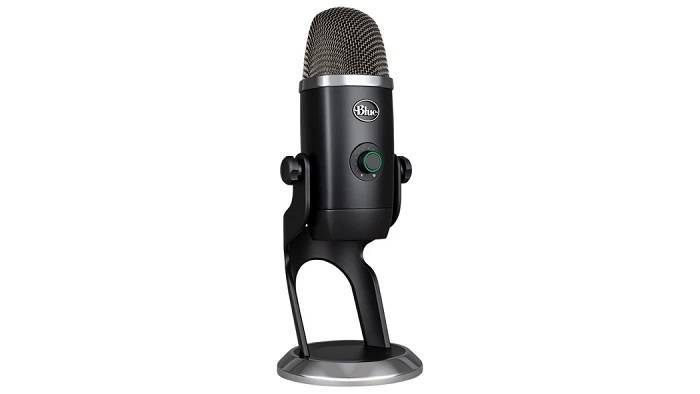
Blue Yeti Overview
- The Blue Yeti is a USB condenser microphone known for its versatility and exceptional sound quality. It has been a popular choice among content creators for years.
Key Features
- The Blue Yeti boasts features such as multiple pickup patterns, onboard gain control, headphone monitoring, and a sturdy design. It offers versatility for various recording scenarios.
Microphone Pickup Patterns
- The Blue Yeti offers four pickup patterns: Cardioid, Stereo, Omnidirectional, and Bidirectional. This versatility allows users to adapt the microphone to their specific recording needs.
Exploring HyperX QuadCast
HyperX QuadCast Overview
- The HyperX QuadCast is another USB condenser microphone designed for gamers, streamers, and podcasters. It has gained popularity for its performance and unique design.
Key Features
- The HyperX QuadCast features a built-in shock mount, pop filter, adjustable gain control, and four selectable pickup patterns, catering to a wide range of recording scenarios.
Microphone Pickup Patterns
- Similar to the Blue Yeti, the HyperX QuadCast offers four pickup patterns: Cardioid, Stereo, Omnidirectional, and Bidirectional.
Specifications Comparison
Sound Quality
- Both microphones deliver excellent sound quality, with clear and crisp audio reproduction. Your choice may come down to personal preference and your recording environment.
Frequency Response
- The Blue Yeti has a frequency response range of 20Hz to 20kHz, while the HyperX QuadCast offers a range of 20Hz to 20kHz as well. This makes them suitable for capturing a wide range of audio frequencies.
Sample Rate and Bit Depth
- Both microphones support a 16-bit audio bit depth and a 48kHz sample rate, which is standard for USB microphones and provides high-quality audio.
Weight and Dimensions
- The Blue Yeti measures 4.72 x 4.92 x 11.61 inches and weighs 3.51 pounds.
- The HyperX QuadCast measures 4.02 x 4.02 x 9.84 inches and weighs 1.55 pounds. It’s more compact and lightweight.
Build and Design
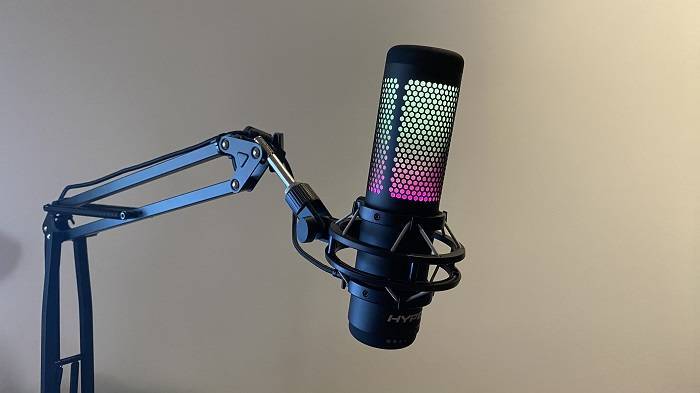
Blue Yeti Build
- The Blue Yeti features a robust and durable metal construction. It has a classic design with an adjustable stand and offers a sense of sturdiness.
HyperX QuadCast Build
- The HyperX QuadCast sports a unique, sleek, and modern design. It comes with a built-in shock mount that helps reduce vibrations and handling noise.
Aesthetics
- Aesthetic preferences are subjective, so choosing between the classic design of the Blue Yeti and the more modern design of the HyperX QuadCast depends on your personal style.
Connectivity and Compatibility
Blue Yeti Connectivity
- The Blue Yeti connects via USB and is compatible with both Windows and macOS operating systems. It’s known for its plug-and-play simplicity.
HyperX QuadCast Connectivity
- Like the Blue Yeti, the HyperX QuadCast also connects via USB and is compatible with Windows, macOS, and PlayStation 4. It offers cross-platform flexibility.
Additional Features
Blue Yeti Features
- The Blue Yeti’s standout features include an onboard gain control, headphone monitoring, and a mute button on the front of the microphone for added convenience.
HyperX QuadCast Features
- The HyperX QuadCast includes a tap-to-mute sensor, LED indicator for monitoring, and a pop filter to minimize plosive sounds during recording.
Pricing
Blue Yeti Pricing
- The Blue Yeti microphone is generally more budget-friendly compared to many other high-quality microphones. It provides excellent value for its performance.
HyperX QuadCast Pricing
- The HyperX QuadCast is competitively priced and offers a range of features. Its price point falls within the mid-range category for USB microphones.
Choosing the Right Microphone
Factors to Consider
- The choice between the Blue Yeti and the HyperX QuadCast depends on various factors, including your recording environment, personal style, and budget.
Recording Environment
- Consider your recording space. If you have a quieter environment, both microphones will perform well. If you’re in a noisier setting, the built-in shock mount on the HyperX QuadCast might be advantageous.
Personal Style
- Aesthetics and design preferences matter. Choose the microphone that aligns with your personal style and the look you want for your setup.
Budget
- Both microphones offer excellent value for their respective price points. Consider your budget and the features that matter most to you.
Related Posts:
- Mastering the Connection: A Comprehensive Guide on How to Pair TOZO Earbuds for an Enhanced Audio Experience
- Unveiling the Secrets: A Step-by-Step Guide on How to Launch Your Own True Crime Podcast
- Unlock the Power of Surround Sound: Syncing Multiple Bluetooth Speakers with iPhone
In the Blue Yeti vs. HyperX QuadCast showdown, you can’t go wrong with either choice. Both microphones provide exceptional audio quality, versatility with multiple pickup patterns, and a range of features to suit different recording scenarios.
Your decision may ultimately come down to factors such as aesthetics, build design, personal style, and budget. Consider your recording environment and whether the built-in shock mount of the HyperX QuadCast is advantageous for reducing vibrations and handling noise. Whichever microphone you choose, both the Blue Yeti and HyperX QuadCast are solid options for podcasting, streaming, gaming, and content creation, ensuring that your audio quality remains top-notch.