


Table of Contents
In the world of audio technology, microphones play a pivotal role in capturing sound with precision and clarity. Among the various types of microphones available, cardioid microphones stand out as versatile tools that find application in various settings, from recording studios to live performances and even podcasting. In this comprehensive guide, we will delve into the world of cardioid microphones, exploring their capabilities, understanding their unique polar pattern, and discovering tips to maximize their potential.
Understanding Cardioid Microphones
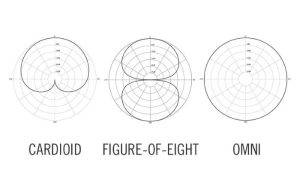
Before we dive into the details, let’s take a moment to understand what cardioid microphones are and how they work. The term “cardioid” refers to the heart-shaped polar pattern that characterizes these microphones. This pattern is designed to capture sound primarily from one direction while minimizing sound pickup from other angles. Here are the key features of cardioid microphones:
Microphone Applications
Cardioid microphones are prized for their versatility. Let’s explore some common applications where these microphones shine:
- Vocal Recording: Cardioid microphones are often the go-to choice for recording vocals. They excel at capturing the nuances of a singer’s voice while minimizing room noise and other unwanted sounds.
- Instrument Miking: Whether you’re recording acoustic guitar, drums, or a piano, cardioid microphones are valuable for capturing the rich, detailed sound of instruments.
- Live Performances: On stage, cardioid microphones are used for amplifying vocals and instruments. Their ability to reject feedback makes them crucial in live sound reinforcement.
- Podcasting: Cardioid microphones are popular among podcasters for their ability to focus on the host’s voice and reduce background noise.
- Broadcasting: In radio and television broadcasting, cardioid microphones are employed by announcers and presenters to ensure clear and professional sound quality.
Choosing the Right Cardioid Microphone
Selecting the right cardioid microphone for your specific needs is essential. Here are some factors to consider:
- Budget: Cardioid microphones come in a wide price range. Determine your budget and explore options that fit within it while meeting your requirements.
- Sound Source: Consider the sound source you intend to record or amplify. Different microphones may be better suited for different instruments or vocal types.
- Build Quality: Look for microphones with durable construction, especially if you plan to use them in live performance settings.
- Accessories: Check if the microphone comes with essential accessories such as shock mounts, pop filters, and carrying cases.
- Compatibility: Ensure that the microphone is compatible with your recording equipment or sound system.
Tips for Maximizing Cardioid Microphone Performance
Now that you’ve chosen the right cardioid microphone, here are some tips to ensure you get the best performance out of it:
- Proper Placement: Position the microphone close to the sound source for optimal results. Experiment with microphone placement to find the sweet spot that captures the desired sound.
- Monitor and Adjust: Use headphones or studio monitors to monitor the sound as you record. This allows you to make real-time adjustments to mic placement and settings.
- Pop and Wind Protection: To reduce plosive sounds and wind noise, consider using a pop filter or windscreen. These accessories can make a significant difference in recording quality.
- Acoustic Treatment: In a recording studio, invest in acoustic treatment to minimize room reflections and improve the overall sound quality.
- Gain Staging: Pay attention to gain staging to prevent distortion. Adjust the microphone’s input level and the gain on your audio interface or mixer to achieve the desired sound without clipping.
- Regular Maintenance: Keep your cardioid microphone clean and well-maintained. Store it in a protective case when not in use, and periodically check for any signs of wear or damage.
Troubleshooting Common Issues
Even the best cardioid microphones can encounter issues. Here are some common problems and how to troubleshoot them:
- Low Output: If your microphone’s output is too low, check the cable connections and ensure the microphone is receiving phantom power if required.
- Plosive Sounds: To reduce plosive sounds (e.g., “p” and “b” sounds), use a pop filter or adjust the microphone’s angle and distance from the source.
- Feedback: If you’re experiencing feedback in a live setting, adjust the microphone’s position and monitor the stage for potential sources of feedback.
- Interference: Check for interference from electronic devices or other wireless equipment in the vicinity. Changing frequencies or moving away from sources of interference can help.
- Distortion: If your recordings sound distorted, reduce the microphone’s input gain or move further from the sound source to prevent clipping.
Advancements in Cardioid Microphone Technology
The world of audio technology is ever-evolving, and cardioid microphones continue to benefit from advancements in materials and design. Here are some recent developments:
- Miniaturization: Miniature cardioid microphones are becoming increasingly popular for discreet applications, such as lavalier mics for broadcast and theater.
- Wireless Connectivity: Many cardioid microphones now offer wireless connectivity options, providing freedom of movement for performers and presenters.
- Improved Noise Reduction: Some cardioid microphones incorporate advanced noise-reduction technologies, further enhancing their ability to reject unwanted sound.
- Durability: Manufacturers are focusing on creating cardioid microphones that are more rugged and capable of withstanding the demands of live performances.
Creative Uses of Cardioid Microphones
Beyond their conventional applications, cardioid microphones can be employed in creative and unconventional ways. Here are some innovative uses to explore:
- ASMR Recording: Autonomous Sensory Meridian Response (ASMR) content creators often rely on cardioid microphones to capture the subtle sounds that trigger relaxation and tingling sensations in their listeners. The directional nature of cardioid mics helps isolate and enhance these delicate sounds.
- Field Recording: Cardioid microphones are excellent for capturing environmental sounds in the field. Whether you’re recording nature sounds, street ambiance, or urban environments, these mics can help you focus on your target sound source while minimizing unwanted noise.
- Foley Artistry: Foley artists, responsible for creating sound effects for films and animations, frequently use cardioid microphones for precise sound reproduction. They can isolate specific actions or movements while avoiding interference from surrounding sounds.
- Experimental Music: Musicians in the realm of experimental and avant-garde music often experiment with microphone placement and movement to create unique soundscapes. Cardioid microphones offer a controlled way to capture these sound experiments.
- Podcast Sound Design: Podcasters looking to add depth to their storytelling may use cardioid microphones to record sound effects, character voices, or immersive scenes. The directional pattern allows for focused recording in a controlled studio environment.
The Future of Cardioid Microphones
As technology continues to advance, the future of cardioid microphones holds exciting possibilities:
- Enhanced Noise Cancellation: Manufacturers are constantly working on improving noise cancellation algorithms, making cardioid microphones even better at isolating the desired sound source.
- Smart Microphones: Integration with smart devices and voice assistants is on the horizon. Cardioid microphones may become more intuitive, capable of recognizing and responding to specific voice commands.
- Wireless Innovation: Advancements in wireless technology will likely result in more reliable and versatile wireless cardioid microphones, suitable for a broader range of applications.
- Sustainability: Microphone manufacturers are increasingly considering sustainability in their designs. Future cardioid microphones may use eco-friendly materials and have a reduced environmental footprint.
- Immersive Audio: With the growth of virtual reality and immersive audio experiences, cardioid microphones may play a crucial role in capturing three-dimensional soundscapes for virtual environments.
The Impact of Cardioid Microphones in Various Industries
Cardioid microphones have left an indelible mark on several industries:
- Music Industry: Musicians and recording engineers rely on cardioid microphones to capture pristine vocals and instruments in studios, ensuring that every note and nuance is faithfully reproduced.
- Film and Television: In the world of cinema and broadcasting, cardioid microphones help deliver clear dialogue and immersive soundscapes, enhancing the overall viewer experience.
- Live Sound Reinforcement: Audio engineers use cardioid microphones to mitigate feedback issues during live performances, ensuring that the audience hears the artists’ performances without distractions.
- Podcasting: The growth of podcasting owes much to cardioid microphones, which enable hosts and guests to record professional-quality audio from their homes or studios.
- ASMR and Online Content Creation: ASMR artists, content creators, and influencers utilize cardioid microphones to provide their audiences with immersive and relaxing auditory experiences.
Related Post:
Unlocking the Potential of Your iPhone’s External Microphone
Unveiling Precision: The Supercardioid Microphone
Embracing Clarity: The Power of Noise-Cancelling Microphones
Cardioid microphones are indispensable tools for capturing high-quality audio in a wide range of applications. By understanding their unique characteristics, choosing the right microphone for your needs, and implementing the tips and troubleshooting techniques outlined in this comprehensive guide, you can unlock the full potential of cardioid microphones. Whether you’re a musician, podcaster, broadcaster, or live performer, these microphones are there to help you deliver clear, professional-quality sound that engages your audience and elevates your audio recordings to new heights.