

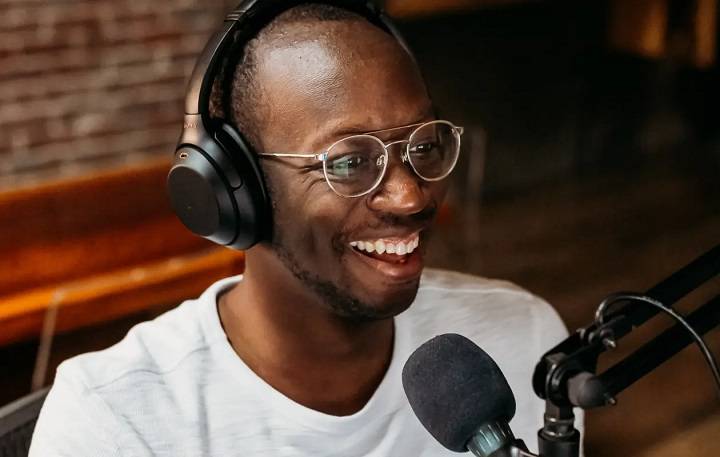
Podcasting has surged in popularity as a medium for sharing stories, discussing ideas, and engaging audiences. When you watch podcasters, you’ll often notice a common accessory—a pair of headphones. Why do podcasters wear headphones during their recordings? Is it a mere fashion statement or does it serve a more practical purpose?
The use of headphones in podcasting isn’t merely for show; it serves a multitude of crucial functions essential for a successful recording session. These stylish audio devices play a pivotal role in facilitating clear communication among podcast hosts, guests, and producers, ensuring the quality of the content delivered to listeners worldwide.
Enhanced Audio Monitoring

Podcasters rely on clear sound to engage their audience and deliver high-quality content. The need for clear sound is paramount in the world of podcasting, where audio is the primary medium of communication. To ensure a seamless listening experience for their audience, podcasters invest time and effort in understanding the intricacies of sound production and the tools that enhance it.
Headphones play a crucial role in this process by providing podcasters with the ability to monitor their audio in real-time. Real-time monitoring is essential for several reasons, with one of the primary ones being the immediate detection of any issues that may arise during recording or editing. Headphones allow podcasters to pick up on subtle nuances, such as background noise, distortions, or inconsistent audio levels, which may not be apparent through standard speakers.
Additionally, clear sound is essential for maintaining the overall professional quality of a podcast. Podcasters use headphones to catch details that might be overlooked when listening through speakers. This level of precision ensures that the final product meets industry standards and provides a pleasant listening experience for the audience.
Moreover, headphones help podcasters in maintaining consistency across episodes. By closely monitoring their audio in real-time, podcasters can ensure that their tone, volume, and overall audio quality remain consistent throughout the recording and editing process. This is particularly important for long-form content or podcast series where maintaining a consistent audio experience contributes to building a loyal listener base.
In a practical sense, headphones serve as a tool for podcasters to immerse themselves in the audio environment they are creating. This immersive experience allows them to focus on the content and make on-the-spot adjustments, resulting in a polished and professional final product. It also aids podcasters in fine-tuning elements such as pacing, intonation, and overall sound dynamics, which are crucial for keeping the audience engaged.
Noise Isolation and Focus
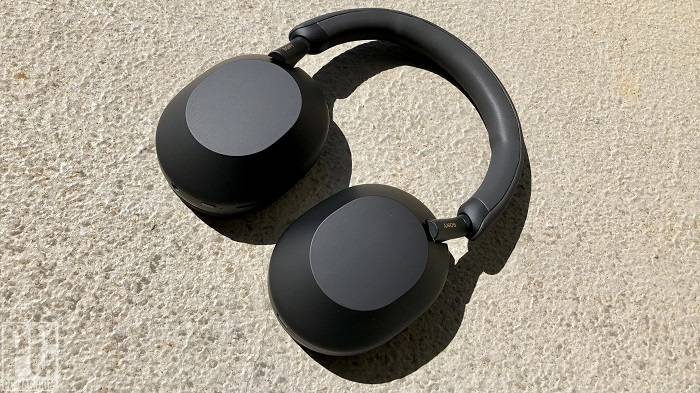
Blocking external distractions is a crucial element in optimizing concentration and productivity, especially in environments where ambient noise can disrupt one’s workflow. Headphones play a pivotal role in this endeavor, serving as a powerful tool to isolate distracting noises and enhance focus during various activities, such as recordings.
When it comes to recording, whether it be for professional purposes like podcasting, music production, or even online meetings, the ability to eliminate external disturbances is paramount. Headphones provide a physical barrier between the external environment and the ears, helping to minimize or entirely block out background noises. This is particularly beneficial when working in shared spaces, where sounds from conversations, traffic, or other sources could otherwise interfere with the quality of the recording.
Noise-canceling headphones, in particular, take this a step further. By utilizing advanced technology, they actively identify and neutralize external sounds, creating a more immersive and focused audio experience. This is achieved through the use of microphones that pick up external noises and generate sound waves to counteract them, effectively canceling out the unwanted sounds. This feature is invaluable for individuals who require a controlled and quiet environment for tasks like voiceovers, where background noise can significantly impact the overall outcome.
Moreover, the psychological impact of wearing headphones can’t be overlooked. It serves as a visual cue to those around, signaling that the wearer is engaged in a task and not to be disturbed. This subtle yet effective communication helps establish boundaries in shared workspaces, fostering an environment conducive to concentration and productivity.
In addition to their noise-blocking capabilities, headphones also contribute to improved focus by allowing users to create a personalized audio environment. Whether it’s listening to instrumental music, white noise, or nature sounds, individuals can curate an auditory atmosphere that enhances their cognitive performance. This customization is particularly beneficial for tasks requiring deep concentration, such as writing, coding, or any activity demanding sustained attention.
In the realm of collaborative work, headphones with built-in microphones facilitate clear communication during virtual meetings or online collaborations. By providing a clear and direct channel for voice input and output, these headphones enable effective communication without being hindered by external noises.
Maintaining Consistent Audio Levels
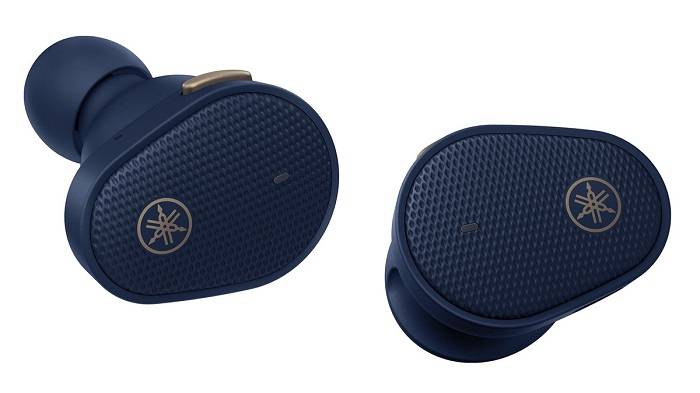
In the realm of professional podcasting, the importance of headphones extends far beyond simply delivering crisp and clear sound to the podcaster. One critical aspect where headphones play a pivotal role is in maintaining consistent audio levels throughout the entire episode.
When producing a podcast, achieving a balanced and professional audio output is paramount. Inconsistent audio levels can distract listeners, diminish the overall quality of the podcast, and even lead to a less engaging experience. This is where headphones become an indispensable tool for podcasters.
Podcasters wear headphones during recording and post-production processes to monitor and control the audio levels effectively. By using headphones, podcasters can detect any variations in volume, background noise, or distortions that might compromise the overall audio quality. This real-time monitoring allows them to make immediate adjustments, ensuring a smooth and consistent audio experience for the audience.
The use of headphones also aids podcasters in identifying any potential technical issues, such as microphone pops, sibilance, or interference, which may not be apparent through standard speakers. This level of precision is crucial, especially in a professional podcasting environment where high production standards are expected.
Moreover, headphones provide podcasters with a more intimate and detailed understanding of their own vocal delivery. This allows them to modulate their voice, control pacing, and emphasize key points effectively. By closely monitoring their performance through headphones, podcasters can deliver a more polished and engaging presentation, enhancing the overall listener experience.
In collaborative podcasting efforts, where multiple hosts or guests are involved, headphones become even more crucial. They facilitate real-time communication among participants, allowing for seamless interaction and minimizing the risk of talking over each other. This enhances the overall flow of the podcast and ensures that every voice is heard clearly, contributing to a more professional and enjoyable listening experience.
Improving Communication
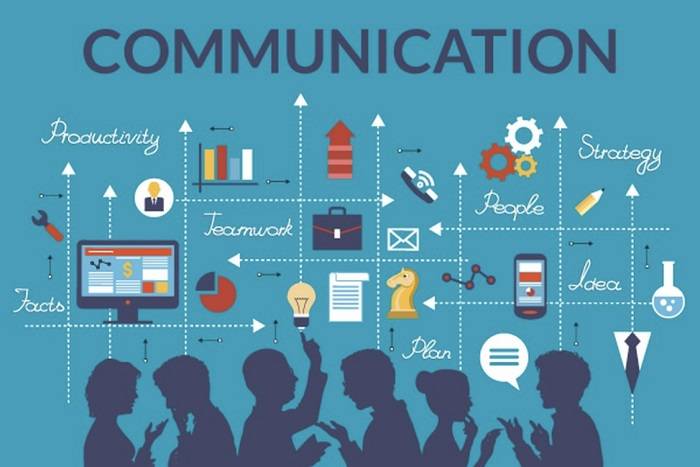
Real-time feedback and interaction have become integral components of various communication platforms, and headphones play a crucial role in enhancing these experiences. Whether in virtual meetings, webinars, gaming, or other online interactions, the quality of communication is significantly influenced by the performance of headphones.
Audio Clarity and Precision: High-quality headphones contribute to clear and precise audio transmission, ensuring that hosts and guests can hear each other without any distortion or interference. This is particularly crucial in scenarios where instant and accurate information exchange is essential, such as business meetings or collaborative projects.
Noise Cancellation Technology: Many modern headphones are equipped with advanced noise cancellation technology. This feature helps eliminate background noise, ensuring that hosts and guests can focus on the conversation without being distracted by external sounds. Noise cancellation is particularly valuable in busy environments, enhancing the overall quality of real-time communication.
Immersive Virtual Experiences: In gaming or virtual reality environments, headphones provide an immersive audio experience. Real-time feedback in these contexts is not only about clear communication but also about creating an environment where participants feel fully engaged. High-quality headphones with surround sound capabilities contribute to a more immersive and interactive experience.
Wireless Connectivity for Mobility: Wireless headphones offer the advantage of mobility, allowing hosts and guests to move freely during interactions. This is especially beneficial in dynamic situations where individuals may need to share information or collaborate in real-time while on the move. Bluetooth technology and other wireless connectivity options have made it easier for people to stay connected without being tethered to a specific location.
Comfort for Prolonged Use: Real-time interactions can often be time-consuming, especially in professional settings. Comfortable headphones become essential for prolonged use, preventing discomfort or fatigue during extended communication sessions. Ergonomic designs and cushioned ear cups contribute to an overall positive experience for hosts and guests alike.
Adaptability to Various Platforms: Headphones designed to work seamlessly across different platforms contribute to the flexibility of real-time communication. Whether participating in video conferences, virtual events, or online gaming sessions, having headphones that can adapt to various devices ensures a consistent and reliable communication experience.
Integration with Voice Assistants: Some headphones are equipped with voice assistant integration, enabling users to control aspects of their interactions through voice commands. This feature adds a layer of convenience and efficiency, allowing hosts and guests to manage their real-time communication experience hands-free.
Continuous Technological Advancements: The field of audio technology is continually evolving, with ongoing advancements in features such as spatial audio, personalized sound profiles, and more. Staying abreast of these developments ensures that hosts and guests can leverage the latest technologies to enhance their real-time communication experiences.
Preventing Audio Bleed
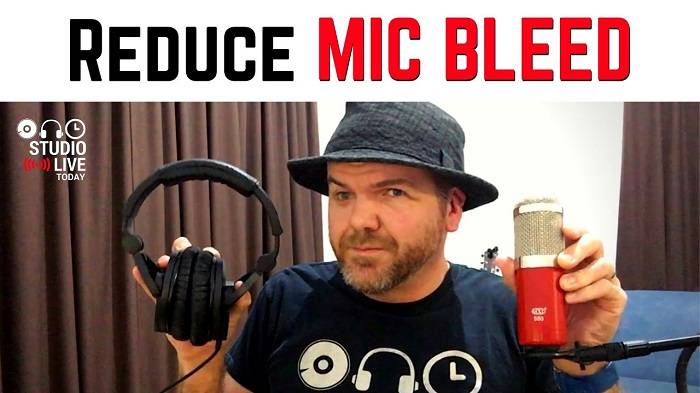
Clean audio tracks are essential in various professional settings, from recording studios to live performances. One crucial factor in achieving pristine audio quality is preventing audio bleed between microphones, and headphones play a pivotal role in this process.
Audio bleed, also known as crosstalk, occurs when sound from one source, such as a musical instrument or a vocalist, unintentionally leaks into another microphone. This can result in a muddied and less defined audio output, negatively impacting the overall sound quality of a recording or live performance.
Headphones act as a critical tool in minimizing audio bleed by providing isolation for performers or recording artists. When musicians wear headphones during a recording session or live performance, they can monitor their own audio feed in real-time without the risk of their sound leaking into adjacent microphones. This not only allows them to hear themselves clearly but also ensures that the audio captured by their microphone remains focused and free from unwanted interference.
There are different types of headphones designed for specific applications. Closed-back headphones are particularly effective in preventing sound leakage due to their sealed design. This design minimizes the amount of sound that escapes from the headphones, making them an excellent choice in scenarios where audio bleed is a concern.
In recording studios, where multiple microphones are often in use simultaneously to capture different instruments or vocalists, the use of headphones becomes indispensable. Musicians can listen to a mix of the recorded tracks, adjust their performance accordingly, and communicate with the recording engineer or other band members without introducing additional noise into the recording.
In live performances, monitoring systems with in-ear monitors (IEMs) are commonly employed. IEMs provide performers with a customized mix of the audio they need to hear, and they seal the ear canal effectively, reducing the risk of audio bleed. This ensures that each musician can focus on their own performance without being distracted by external sounds.
It’s important to note that proper headphone selection and maintenance are crucial for effective prevention of audio bleed. Musicians and recording engineers should choose high-quality headphones that provide adequate isolation. Additionally, regular checks and maintenance of headphones, including cable integrity and earpad condition, are essential to guarantee optimal performance.
Professional Etiquette

In podcasting studios, wearing headphones is not just a matter of personal preference; it is a crucial element of professional etiquette with several significant reasons.
Audio Monitoring: Wearing headphones allows podcasters to monitor the audio in real-time. This is essential for detecting any background noise, audio glitches, or technical issues during the recording. By listening through headphones, podcasters can make immediate adjustments, ensuring a high-quality final product.
Mic Technique: Professional podcasters often use specific microphone techniques to achieve the best sound quality. Wearing headphones helps them monitor their distance from the microphone, ensuring consistent audio levels and preventing distortion. This attention to mic technique is vital for producing a polished and professional podcast.
Guest Communication: In podcasting, hosts frequently engage with guests either in the studio or remotely. Wearing headphones facilitates clear communication between hosts and guests, especially in cases where remote interviews are conducted. This ensures that everyone involved in the podcast can hear each other clearly, leading to more natural and dynamic conversations.
Audio Mixing and Editing: Headphones provide an accurate representation of the recorded audio, allowing podcasters to make informed decisions during the mixing and editing process. This is crucial for adjusting volume levels, fine-tuning audio effects, and ensuring a balanced sound throughout the podcast episode.
Noise Isolation: Studios can be busy environments with various equipment running simultaneously. Wearing headphones helps isolate the podcasters from external sounds, allowing them to focus on their own voices and the audio being produced. This is particularly important for maintaining concentration and delivering a professional performance.
Quality Control: Podcasters need to maintain a consistent audio quality across episodes. Wearing headphones allows them to catch any inconsistencies or issues that may arise during the recording process. Consistent audio quality contributes to the overall professionalism of the podcast and enhances the listener’s experience.
Script and Timing: Podcasters often follow scripts or outlines during recordings. Wearing headphones allows them to stay synchronized with any pre-recorded elements, such as intros, outros, or sound effects. This attention to timing is crucial for maintaining a smooth and well-paced podcast.
Real-time Feedback: For podcasters working with a team or producer, wearing headphones facilitates real-time feedback. Producers can communicate with the hosts, providing direction or addressing any issues promptly. This collaborative aspect ensures that the podcasting team is on the same page and working towards a cohesive final product.
Audio Editing and Post-production
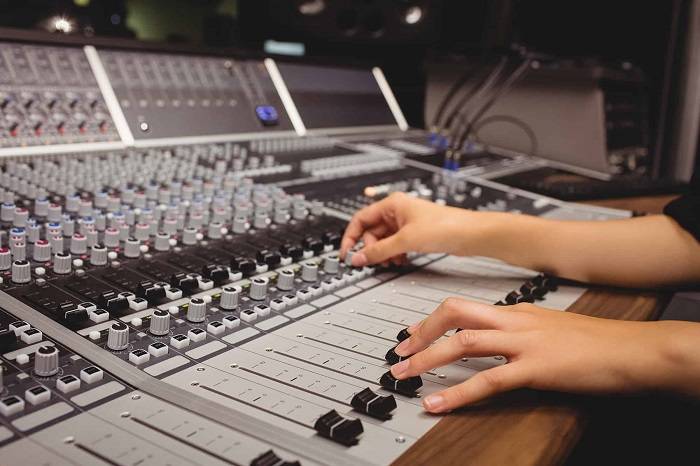
The use of headphones during the recording phase not only significantly influences the quality of the raw audio but also plays a crucial role in shaping the editing process during post-production. Here are several ways in which the use of headphones influences the editing phase of podcast production:
Precision in Editing: Wearing headphones allows editors to hear minute details in the recorded audio, such as background noises, mouth clicks, or subtle audio imperfections. This level of precision is essential during the editing process to identify and remove any distracting elements, ensuring a polished and professional final product.
Audio Enhancement: Headphones provide editors with a more accurate representation of the audio, allowing them to enhance specific elements selectively. This includes adjusting levels, equalization, and applying audio effects to improve the overall clarity and quality of the podcast.
Consistency in Tone and Volume: During recording, variations in tone and volume can occur, especially in multi-person podcasts or when recording in different environments. Wearing headphones helps editors identify and address these inconsistencies, ensuring a uniform and pleasant listening experience for the audience.
Dialogue Editing: In podcasts with multiple hosts or guests, dialogue editing is a critical aspect of post-production. Wearing headphones enables editors to focus on individual voices, ensuring that each speaker’s contributions are clear and well-balanced. This is particularly important for maintaining a natural flow in conversations.
Timing and Pacing: The use of headphones during recording aids podcasters in maintaining precise timing and pacing. In post-production, editors can fine-tune the timing of various elements, such as transitions, music cues, or sound effects, to create a seamless and engaging podcast episode.
Narration and Storytelling: For podcasts that involve narration or storytelling elements, headphones provide editors with a detailed understanding of the narrator’s delivery. This allows for more effective editing of pacing, intonation, and overall storytelling flow, enhancing the narrative quality of the podcast.
Isolation of Audio Tracks: Headphones help editors isolate individual audio tracks, making it easier to identify and address issues specific to each track. This level of isolation is crucial for comprehensive editing, especially in podcasts with multiple sources of audio, such as interviews, recorded segments, or field recordings.
Real-time Monitoring of Edits: Editors often make real-time adjustments while listening to the audio during the editing process. Wearing headphones ensures that editors can accurately hear and assess the impact of their edits, allowing for immediate adjustments and refinements.
Comfort and Convenience
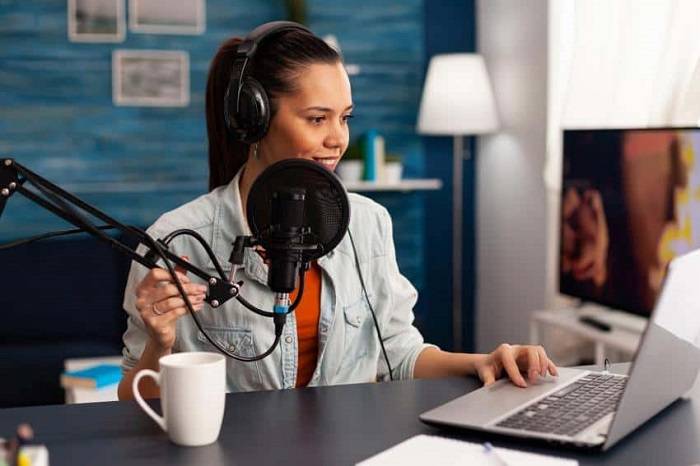
Choosing the right headphones for podcasting is a critical decision that can impact both the recording process and the overall quality of the final product. Here, we delve into the types of headphones preferred by podcasters, considering factors such as comfort, convenience, and functionality:
Closed-Back Headphones: Podcasters often opt for closed-back headphones due to their ability to provide sound isolation. This design prevents audio leakage, ensuring that the microphone captures only the podcaster’s voice without picking up sounds from the headphones. This is particularly important for maintaining a clean and professional recording.
Over-Ear vs. On-Ear Design: Over-ear headphones, with their larger ear cups that encompass the ears, are generally favored for podcasting due to their superior noise isolation and comfort during extended use. However, some podcasters may prefer on-ear headphones for their portability and a more breathable design, especially in warmer environments.
Comfort and Durability: Comfort is paramount during lengthy podcast recording sessions. Look for headphones with adjustable headbands, cushioned ear pads, and lightweight designs to ensure that podcasters can wear them for extended periods without discomfort. Durability is also a key consideration for withstanding the rigors of regular use.
Wired vs. Wireless: While some podcasters prefer the reliability of wired headphones to avoid potential latency issues, others appreciate the freedom of movement offered by wireless options. Advances in wireless technology have minimized latency concerns, making it a viable choice for podcasters who prefer a cable-free setup.
Frequency Response and Sound Quality: Accurate sound reproduction is crucial for podcasters, especially during the recording and editing stages. Look for headphones with a flat or neutral frequency response, as this ensures that the podcaster hears the audio as it truly is without exaggerated bass or treble, facilitating more precise editing.
Foldable and Portable Designs: For podcasters who travel or record in various locations, headphones with a foldable and portable design are advantageous. This feature enhances convenience when transporting the headphones and makes them more adaptable to different recording environments.
Closed-Back vs. Open-Back Headphones: While closed-back headphones are preferred for recording due to their sound isolation, open-back headphones are favored by some podcasters during post-production or editing. Open-back headphones provide a more natural and spacious soundstage, making them suitable for tasks that require a detailed and accurate listening experience.
Detachable Cables: Headphones with detachable cables offer added convenience. If a cable becomes damaged, it can be easily replaced without having to replace the entire set of headphones. This feature contributes to the longevity of the headphones and reduces the likelihood of downtime during recording sessions.
Microphone and Playback Controls: Some podcasters prefer headphones with built-in microphone and playback controls for added convenience. These controls allow for easy adjustments without reaching for external devices, enhancing the efficiency of the recording process.
Brand and Model Considerations: Established audio equipment brands often produce headphones with superior build quality and sound performance. Popular models among podcasters include those from brands known for their audio expertise, offering a balance between comfort, functionality, and overall audio quality.
Technical Requirements

Choosing the right headphones for podcasting involves considering various technical aspects to ensure compatibility with recording equipment and meeting the specific needs of podcast production. Here are key technical considerations when selecting headphones for podcasting:
Closed-Back Design: Closed-back headphones are preferable for podcasting because they provide better sound isolation. This design helps prevent audio leakage, ensuring that the microphone picks up the podcaster’s voice without interference from headphone sound bleeding into the recording. It also helps podcasters focus on their audio without being distracted by external noises in the studio.
Frequency Response: A headphones’ frequency response indicates the range of frequencies it can reproduce. For podcasting, a flat and accurate frequency response is essential. This ensures that the headphones do not exaggerate or attenuate specific frequencies, allowing podcasters to hear their recordings as accurately as possible during both recording and editing.
Impedance: Impedance is the resistance to the flow of electrical current in headphones. For podcasting, it’s generally recommended to use headphones with moderate impedance that can be easily driven by standard audio interfaces or headphone amplifiers commonly found in podcasting setups. High-impedance headphones may require additional equipment to deliver optimal performance.
Comfort and Durability: Podcasting sessions can be lengthy, so comfort is crucial. Look for headphones with padded ear cups and an adjustable headband for extended wear. Additionally, durability is essential for withstanding the rigors of regular use in a studio setting.
Cable Length and Type: Consider the length and type of cable provided with the headphones. A longer cable allows for more flexibility in movement within the studio, while detachable cables offer convenience for storage and replacement. Some headphones also come with coiled cables, which can reduce clutter in the studio.
Sensitivity: Sensitivity measures how efficiently headphones convert electrical signals into sound. Higher sensitivity headphones require less power to produce the same volume, making them suitable for use with a wider range of devices. This is especially important when connecting headphones to portable audio interfaces or mobile devices.
Closed-Back vs. Open-Back: While closed-back headphones are generally preferred for their isolation, open-back headphones have a more open soundstage. Open-back headphones may be suitable for editing in a controlled environment where sound leakage is not a concern. However, for recording, closed-back headphones are usually the better choice to minimize bleed into the microphone.
Connector Type: Check the headphone’s connector type to ensure compatibility with your recording equipment. The most common connectors are 1/8-inch (3.5mm) and 1/4-inch. Some headphones come with both types of connectors or include an adapter.
Isolation and Noise Cancelling: While active noise-cancelling headphones are popular for travel, they may not be ideal for podcasting. Passive isolation from closed-back designs is generally sufficient, and active noise cancellation can sometimes introduce artifacts that affect the audio quality.
Brand Reputation and Reviews: Consider the reputation of the headphone brand and read reviews from other podcasters or audio professionals. This can provide insights into the reliability, build quality, and performance of the headphones in a podcasting context.
Evolution of Headphones in Podcasting
As technology continues to evolve, the future of headphone technology holds several exciting possibilities for podcasters. These advancements are expected to enhance the podcasting experience, providing both hosts and listeners with innovative features. Here are some anticipated trends and innovations in headphone technology and their potential implications for podcasters:
Spatial Audio and 3D Sound: The rise of spatial audio and 3D sound technologies is likely to revolutionize the way podcasts are experienced. Future headphones may offer immersive spatial audio, allowing podcasters to create a more realistic and engaging auditory environment. This can enhance storytelling and make the listener feel more connected to the content.
Adaptive Noise Cancellation: Advanced noise-canceling features are becoming increasingly sophisticated. Future headphones may incorporate adaptive noise cancellation that intelligently adjusts to different environments. For podcasters, this means a more controlled recording environment, even in less-than-ideal settings, ensuring high audio quality for listeners.
Biometric Integration: Some headphones are already incorporating biometric sensors for health monitoring. In the future, this technology could be refined to provide podcasters with real-time feedback on their physiological state during recordings. This information could be valuable for optimizing voice performance and maintaining the overall well-being of podcasters.
Customizable Sound Profiles: Future headphones may allow users to customize sound profiles based on personal preferences. For podcasters, this could mean tailoring the listening experience to their specific needs, ensuring that they can accurately assess and adjust the audio during recording and editing processes.
Smart Assistant Integration: Integration with virtual assistants like Siri, Google Assistant, or Alexa is likely to become more seamless. Podcasters could use voice commands to control recording equipment, access scripts, or manage various aspects of the podcasting workflow hands-free, enhancing efficiency and workflow.
Wireless Connectivity Advances: The ongoing development of wireless connectivity, such as Bluetooth and Wi-Fi, will continue to impact headphones. Future wireless technologies may offer even more stable connections and lower latency, crucial for real-time communication during remote interviews or collaborative podcasting efforts.
Haptic Feedback: Haptic feedback, which provides tactile sensations, could be integrated into headphones. This innovation might enable podcasters to feel certain audio cues or alerts, enhancing their awareness during recordings. This feature could also benefit content creators who use touch-based interfaces for editing and mixing.
Augmented Reality (AR) Integration: With the rise of augmented reality, future headphones may incorporate AR features. Podcasters could potentially use AR interfaces to visualize audio waveforms, control virtual mixing boards, or even interact with virtual guests in a more immersive manner.
Environmental Awareness: Headphones with enhanced environmental awareness features could allow podcasters to stay connected to their surroundings while recording. This is particularly important for remote interviews or field recordings, where being aware of ambient noise and other environmental factors is crucial.
Eco-Friendly Materials and Design: As sustainability becomes a more significant focus across industries, future headphones may incorporate eco-friendly materials and design principles. Podcasters who prioritize environmental responsibility may have access to headphones that align with their values.
Related Posts:
- Shure MV7 vs SM7B: A Comprehensive Comparison Guide for Podcasters and Streamers
- Unveiling the Shure SM7B: Understanding Phantom Power and its Role in Optimizing Performance
- Mastering the Art of Zoom Test Calls: Everything You Need to Know
FAQs:
Do all podcasters need to wear headphones during recordings?
While not mandatory, wearing headphones is widely recommended for podcasters. It enhances audio quality, fosters better communication, and aids in maintaining professional standards.
What type of headphones are best suited for podcasting?
Over-ear or closed-back headphones are preferred for noise isolation and enhanced audio quality. However, the choice ultimately depends on personal comfort and budget.
Can podcasters use earbuds instead of headphones?
Earbuds can be used, but they might not provide the same level of noise isolation and audio clarity as over-ear headphones, impacting the overall recording quality.
The incorporation of headphones in podcasting is not a mere accessory but a vital tool that significantly contributes to the quality, professionalism, and overall success of a podcast. From ensuring clear audio monitoring to enhancing communication and preventing technical issues, the use of headphones remains integral to the podcasting landscape. As technology continues to evolve, the role of headphones in podcasting will likely expand, shaping the future of this dynamic medium.