


Table of Contents
In the realm of audio engineering, sound traps stand as essential components shaping the quality of sound. Often referred to as acoustic traps or acoustic panels, these devices play a pivotal role in controlling and enhancing sound within various spaces. Whether in recording studios, home theaters, or even residential spaces, understanding sound traps is crucial for optimizing sound quality.
Sound traps work by managing sound reflections, diffusing, or absorbing sound waves to create a balanced and clear audio environment. They are designed in diverse forms, including bass traps, diffusers, absorbers, and combination panels, each serving a unique purpose in manipulating sound frequencies.
Types of Sound Traps

Foam Panels: These are among the most common sound traps, utilizing porous materials like open-cell foam to absorb sound across a broad frequency range. They are effective for controlling mid to high-range frequencies and are often used in recording studios, home theaters, and broadcast rooms.
Fiberglass Insulation: Often found within walls or suspended ceilings, fiberglass insulation serves as both a thermal insulator and a sound absorber. Its fibrous structure helps to trap sound waves, reducing reverberation and improving room acoustics.
Membrane Absorbers: These traps consist of a thin membrane stretched over an air gap in front of a rigid backing. They are effective for absorbing low frequencies by converting sound energy into mechanical energy through the movement of the membrane.
Helmholtz Resonators: These are tuned cavities or containers of specific volumes that resonate at particular frequencies. They work by trapping specific frequencies, absorbing them via the resonating air within the cavity, thereby reducing sound intensity at those frequencies.
Diffusers: Unlike absorbers, diffusers scatter sound waves rather than absorbing them. They help to disperse sound energy throughout a space, reducing echoes and creating a more balanced acoustic environment.
Bass Traps: Specifically designed to manage low-frequency sounds, bass traps are often placed in room corners where low-frequency sound tends to accumulate. They absorb or diffuse these frequencies to prevent muddiness and improve overall sound clarity.
Panel Absorbers: These are customizable panels made from various materials like wood, fabric, or metal, engineered to absorb specific frequencies based on their thickness, density, and placement within a room.
Resonant Absorbers: Utilizing a combination of mass, spring, and damping materials, resonant absorbers are effective in targeting and absorbing specific frequencies within a defined range.
Importance of Sound Traps in Recording Studios

Sound traps, also known as acoustic treatment or sound absorbers, play a critical role in achieving high-quality sound reproduction and maintaining optimal recording environments across various industries, including music production, broadcasting, film, and architectural design. These acoustic devices are indispensable tools that effectively manage the behavior of sound waves within a given space, contributing significantly to reducing echoes, controlling reverberation, and enhancing overall sound quality.
One primary function of sound traps is to mitigate echoes and reverberations that occur when sound waves bounce off hard surfaces within a room. Without proper acoustic treatment, these reflected sound waves can overlap and interfere with the original sound, leading to distorted recordings or unclear audio. Sound traps absorb these reflections, preventing them from interfering with the primary sound source and thus ensuring clearer and more accurate sound reproduction.
Moreover, sound traps help create an acoustically controlled environment by addressing issues related to standing waves and resonance frequencies. These acoustic anomalies can cause certain frequencies to be exaggerated or diminished, resulting in an uneven frequency response within a room. By strategically placing sound traps, especially bass traps and diffusers, these issues can be minimized, leading to a more balanced and accurate representation of sound across the frequency spectrum.
In recording studios, the strategic placement of sound traps is crucial for achieving a controlled acoustic environment. Professionals utilize a combination of different types of sound traps, including acoustic panels, bass traps, diffusers, and ceiling clouds, strategically positioning them to target specific areas where sound reflections and reverberations are most problematic. This meticulous placement ensures that the recording space allows for precise sound capture without unwanted coloration or distortion.
Additionally, in architectural design, sound traps are incorporated into the construction of performance venues, auditoriums, conference rooms, and other spaces where sound quality is essential. These acoustic treatments are integrated into the building’s design to create optimal acoustics, ensuring that the space delivers an immersive and clear audio experience for its intended purpose.
Enhancing Home Audio with Sound Traps

Reducing Echoes and Reverberations: Home theaters often feature hard surfaces like walls, floors, and ceilings that can cause sound waves to bounce around, leading to echoes and reverberations. Sound traps strategically placed on these surfaces absorb excess sound energy, minimizing echoes and reverberations. This absorption prevents sound from bouncing chaotically and maintains clarity in audio playback.
Improved Speech Intelligibility: Clear dialogue is crucial for enjoying movies, shows, or games. Sound traps help in maintaining speech intelligibility by reducing the impact of reflected sound, making it easier to understand dialogue even during intense action sequences or moments with low-volume speech.
Enhanced Audio Fidelity: Sound traps aid in controlling the acoustic environment, allowing for better reproduction of sound. By minimizing unwanted reflections, the true characteristics of audio produced by speakers or sound systems are preserved. This leads to a more accurate and faithful representation of the intended audio, whether it’s the subtle nuances of a musical piece or the immersive effects in a movie.
Balanced Sound Distribution: Properly positioned sound traps help in achieving a more balanced sound distribution across the room. They can target specific areas where sound tends to accumulate or reflect excessively, ensuring that all listeners experience consistent audio quality regardless of their location within the room.
Optimized Immersive Experience: Home theaters aim to create a captivating and immersive experience. Sound traps contribute significantly to this by minimizing distractions caused by poor acoustics. By eliminating unwanted sounds, they allow listeners to focus more on the intended audio, enhancing the overall immersion factor.
Customization and Aesthetics: Sound traps come in various shapes, sizes, and designs. This allows homeowners to customize the acoustic treatment while also considering the aesthetic appeal of the room. Some panels can be integrated seamlessly into the room’s decor, blending functionality with visual appeal.
Understanding Bass Traps
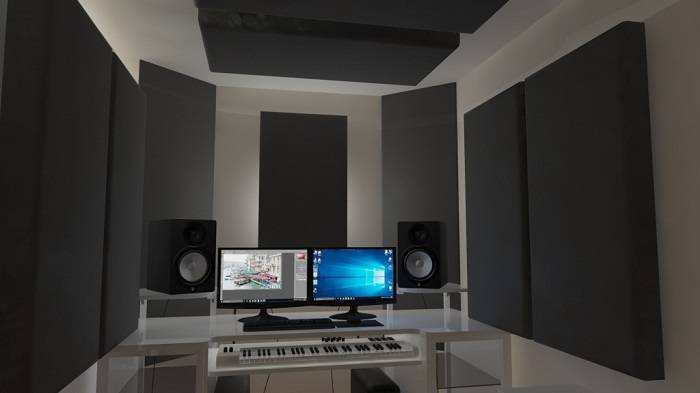
Bass buildup and resonance: Low-frequency sound waves tend to accumulate in corners and areas where walls meet, creating a buildup of bass energy. This results in resonant peaks and troughs, causing certain frequencies to sound louder or quieter than intended. Bass traps effectively absorb these excess low frequencies, reducing the buildup and preventing resonance, resulting in a more balanced sound profile.
Improved clarity and definition: Excessive bass buildup can muddy the overall sound, affecting the clarity and definition of audio, particularly in recording studios, home theaters, or listening rooms. Bass traps help in controlling these low-frequency reflections, allowing for a clearer and more defined audio experience.
Room modes and standing waves: Rooms have specific resonant frequencies, known as room modes or standing waves, that can exaggerate certain bass frequencies, causing peaks and nulls in the frequency response. Bass traps strategically placed in room corners and along walls help in disrupting these standing waves, thereby reducing their impact on the sound quality and minimizing uneven frequency response.
Creating a balanced listening environment: Achieving a balanced audio profile is essential for critical listening and accurate sound reproduction. Bass traps, along with other acoustic treatments, contribute to creating a more controlled and balanced listening environment by reducing the effects of room acoustics on the audio output.
DIY Sound Traps vs. Professional Installation
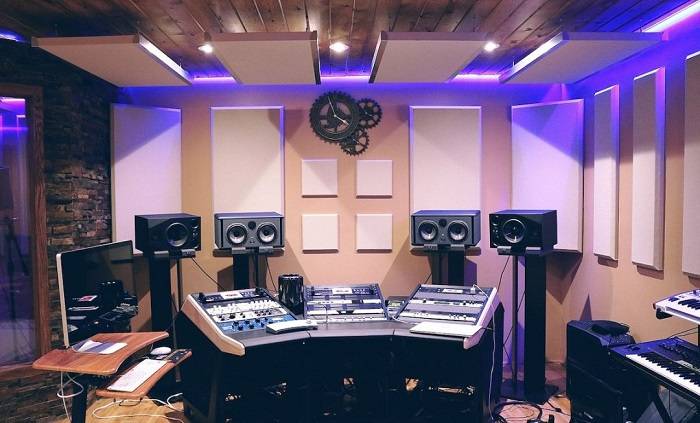
DIY sound traps, commonly crafted using materials like foam panels, blankets, or bass traps, offer a cost-effective solution for soundproofing. They can be relatively inexpensive compared to professionally installed sound traps, as they involve materials that are easily accessible and typically come with step-by-step instructions for assembly. However, their effectiveness may vary based on the quality of materials used and the precision of installation.
Professional sound traps, on the other hand, are typically installed by experts who assess the specific acoustic needs of a space. These professionals often use specialized materials and techniques, such as acoustic panels, diffusers, and specific placement strategies tailored to the room’s dimensions and purpose. While they tend to be more expensive upfront due to labor costs and higher-quality materials, professional sound traps often provide more reliable and effective results in reducing unwanted noise and improving sound quality.
When considering cost, DIY options can be budget-friendly, making them suitable for individuals or small businesses with limited resources. However, they may not match the efficiency and effectiveness of professionally installed sound traps, especially in larger or more complex spaces. Professional installations are better suited for critical environments like recording studios, theaters, or conference rooms where precise acoustic control is necessary.
In terms of efficiency, professionally installed sound traps are likely to deliver superior results. They are designed and installed by experienced professionals who understand the nuances of soundproofing and acoustic treatment. Their expertise ensures that the sound traps are strategically placed and optimized for maximum effectiveness. DIY alternatives, while cost-effective, may lack the same level of precision and expertise in design and installation, potentially leading to suboptimal performance.
Customization is another aspect to consider. DIY sound traps often allow for some level of customization in terms of size, shape, and placement. Individuals can tailor these solutions to their specific needs and preferences. However, professional installations excel in customization as experts assess the unique acoustic challenges of a space and design tailored solutions that address those specific issues comprehensively.
Applications of Sound Traps in Commercial Spaces

Restaurants often employ sound traps to curate an inviting atmosphere conducive to conversation. By strategically installing sound-absorbing materials on walls, ceilings, or even as standalone panels, these establishments aim to dampen the clatter of cutlery, chatter, and other ambient noise. This approach fosters a more enjoyable dining experience, allowing patrons to engage in conversations without competing against disruptive noise levels.
In office environments, acoustic panels serve a dual purpose. They aid in maintaining privacy by reducing sound transmission between workstations, meeting rooms, and common areas. Additionally, these panels improve overall productivity by minimizing distractions caused by reverberations and ambient noise. By strategically placing sound traps, such as baffles or ceiling clouds, offices can create more conducive work environments that enhance focus and concentration among employees.
Public spaces, such as libraries, museums, and auditoriums, leverage sound traps to control reverberations and echoes. Libraries, for instance, utilize acoustic panels to maintain a quiet atmosphere for study and reading, reducing noise reflections off hard surfaces. In museums and art galleries, these treatments help in preserving the purity of sound for audio exhibits or guided tours. Auditoriums deploy sound traps to optimize acoustics, ensuring clear and crisp sound for performances or presentations by minimizing unwanted reflections and enhancing the overall auditory experience for attendees.
Innovations in sound trap technology have led to the development of aesthetically pleasing designs that blend seamlessly with interior decor. Materials range from specialized fabric-covered panels to eco-friendly options made from recycled materials, offering both functionality and sustainability.
Moreover, advancements in sound engineering and acoustic design have led to the creation of customizable solutions. Acoustic consultants assess specific spatial needs and recommend tailored sound trap installations to address unique acoustic challenges in diverse settings. This bespoke approach ensures that the sound management solutions effectively meet the requirements of each environment
The Science Behind Sound Traps
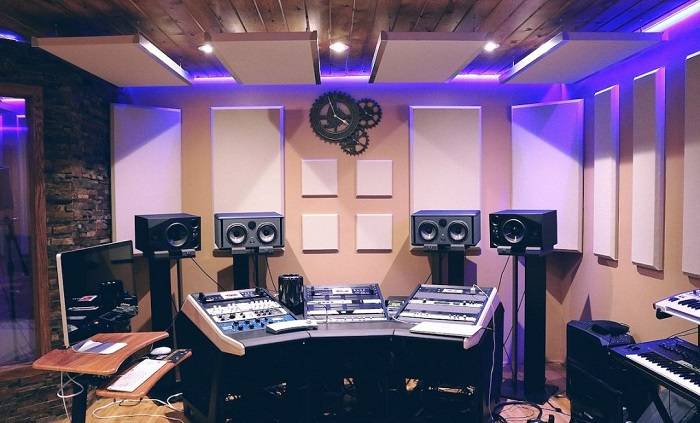
Sound Absorption: Sound absorption involves reducing the reflection of sound waves. When a sound wave encounters a surface, a portion of the energy gets absorbed while the rest reflects back. Acoustic materials are designed to absorb sound energy effectively by converting it into heat energy or by allowing it to pass through multiple porous layers. These materials typically consist of fibrous or porous structures that dissipate sound energy through friction and air resistance within their structure. The absorption coefficient of a material determines how much sound energy it can absorb across different frequencies.
Diffusion: Diffusion is the process of scattering sound waves in various directions rather than reflecting them directly. Acoustic diffusers are engineered surfaces or structures designed to break up sound reflections, distributing them evenly throughout a space. They work by breaking down direct sound waves into smaller reflections, preventing the buildup of echoes and minimizing sound concentration in specific areas. This helps create a more balanced and natural acoustic environment, especially in larger spaces like auditoriums or studios.
Reflection: Sound reflection involves the bouncing back of sound waves when they encounter a surface. Smooth, hard surfaces like walls tend to reflect sound waves more efficiently, causing echoes and reverberation in a room. However, certain architectural designs or specialized materials are employed to manage reflections. For instance, acoustic panels and soundproofing materials are strategically placed to absorb or diffuse sound reflections, reducing unwanted reverberations and echoes in a room.
Common Misconceptions about Sound Traps

Sound traps, commonly known as acoustic traps or absorbers, often get caught up in a web of misconceptions. One prevailing myth revolves around their supposed ability to completely eliminate sound. In reality, sound traps are designed to absorb or reduce specific frequencies, mitigating echoes or reverberations within a space. They can significantly enhance the acoustics of a room, but they won’t make it entirely soundproof.
Another misunderstanding is the notion that more sound traps always equate to better sound quality. While placing sound traps strategically can greatly improve acoustics, an excessive number of traps might absorb too much sound, resulting in a “dead” or overly muted environment. Achieving the right balance is crucial.
Moreover, there’s a misconception that all sound traps work universally for any space or purpose. Different types of traps, such as porous absorbers, membrane absorbers, or resonators, function optimally under distinct conditions and frequencies. Understanding the specific needs of a room’s acoustics is essential in selecting and placing the right type of trap.
It’s also important to address the belief that sound traps are solely for music studios or performance spaces. While these locations extensively use acoustic treatments, sound traps can significantly benefit various settings, including offices, conference rooms, home theaters, and even residential spaces, enhancing clarity and reducing unwanted noise.
Lastly, the idea that sound traps are a one-time fix without maintenance perpetuates misunderstanding. Over time, these materials can accumulate dust or lose their effectiveness due to wear and tear. Regular upkeep ensures they continue performing optimally.
Environmental Impact of Sound Traps
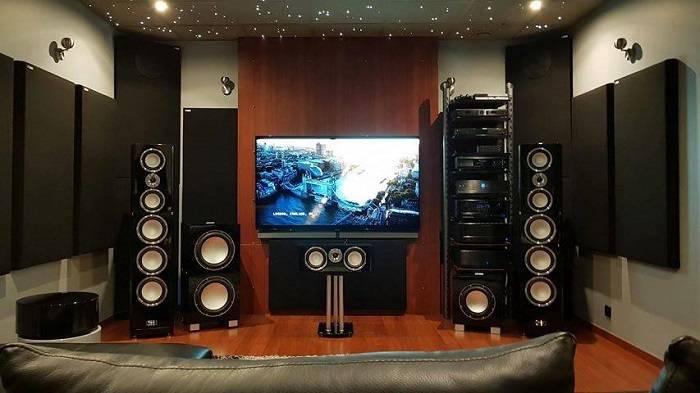
Manufacturing sound traps involves various materials, each with its own environmental impact. Exploring eco-friendly options is crucial in mitigating the environmental repercussions of these products.
Traditionally, sound traps have been constructed using materials like fiberglass, foam, and plastic-based composites. While effective in sound absorption, these materials raise concerns due to their non-biodegradable nature and harmful manufacturing processes. Fiberglass, for instance, involves the use of energy-intensive processes and emits volatile organic compounds (VOCs) during production, contributing to air pollution.
Foam, another common material, is derived from petrochemicals, making it non-renewable and challenging to dispose of responsibly. Moreover, its breakdown releases microplastics into the environment, posing risks to ecosystems and wildlife.
To combat these issues, researchers and manufacturers are turning towards more sustainable alternatives. Some eco-friendly options include recycled materials such as cotton, wool, hemp, and recycled plastics. These materials offer sound absorption properties while reducing the strain on natural resources and minimizing waste.
For instance, recycled cotton and wool fibers can be densely packed or woven to create effective sound traps. Additionally, utilizing hemp fibers not only provides sound absorption but also requires fewer pesticides and water compared to other crops, making it an eco-friendly choice.
Furthermore, advancements in technology have led to the development of innovative bio-based materials. These materials, derived from renewable sources like bamboo, cork, and mycelium (mushroom-based materials), offer promising alternatives in sound trap production. Bamboo, known for its rapid growth and regenerative properties, serves as a sustainable option due to its renewability and minimal environmental impact.
Mycelium-based materials, created by growing fungi in controlled conditions, present a fascinating avenue for sustainable manufacturing. They can be molded into various shapes, offering a biodegradable, compostable, and highly efficient alternative for sound absorption.
Future Innovations in Sound Trap Technology

Metamaterials and Acoustic Cloaking: Researchers are exploring metamaterials that manipulate sound waves, enabling the creation of acoustic cloaks. These materials can bend sound around objects, potentially making them invisible to detection or reducing noise transmission significantly.
Active Noise Control: Advancements in active noise control technologies are paving the way for more efficient sound trapping. These systems use destructive interference to cancel out unwanted noises in specific environments, enhancing the efficacy of sound traps in various settings such as industrial sites, offices, and homes.
Nanotechnology in Acoustics: Nanotechnology offers innovative solutions in creating materials with enhanced acoustic properties. Nanomaterials can be engineered to absorb, reflect, or refract sound waves more effectively, leading to the development of highly efficient sound traps.
3D Printing and Customization: The utilization of 3D printing technology allows for the creation of intricate and precisely designed sound traps. This innovation enables customization based on specific acoustic requirements, making them more adaptable to diverse environments and purposes.
Machine Learning and Acoustic Design: Machine learning algorithms are being employed to optimize the design and placement of sound traps. These algorithms analyze complex data patterns to suggest improved trap configurations, enhancing their efficacy in attenuating specific frequencies or noise types.
Biologically-Inspired Acoustic Solutions: Researchers are drawing inspiration from nature to develop innovative sound traps. Mimicking the acoustic properties found in certain natural structures or organisms, such as the unique hearing mechanisms of certain animals or the structure of plant materials, holds promise for creating highly efficient and eco-friendly sound trapping solutions.
Energy Harvesting from Sound: Exploring ways to convert sound energy into usable electrical power presents an intriguing avenue in sound trap technology. Devices designed to both attenuate noise and harness the energy within sound waves could offer dual benefits in various applications.
Related Posts:
- Discover Joe Rogan’s Choice: What Headphones Does Joe Rogan Use
- Top 15 Engaging Trivia Podcasts to Challenge Your Knowledge and Curiosity
- Mastering the Ultimate Joe Rogan Podcast Setup: A Detailed Guide to Equipment and Techniques
FAQs:
Can sound traps eliminate all noise?
Sound traps can significantly reduce unwanted noise, but complete elimination is challenging as it depends on factors like room size, materials used, and installation.
Are sound traps only for professional audio setups?
No, sound traps cater to various settings, including home entertainment, offices, and public spaces, offering benefits beyond professional studios.
Sound traps serve as indispensable tools in managing sound quality across diverse settings, from recording studios to everyday spaces. Understanding their types, functions, and applications is crucial for optimizing audio experiences. As technology advances, the evolution of sound trap innovations promises more efficient and adaptable solutions for achieving acoustic excellence.