


Table of Contents
In the realm of audio technology, the pursuit of pristine sound quality is an ongoing quest. From professional recording studios to everyday conference calls, noise can be a persistent adversary. Noise-canceling microphones have emerged as a powerful solution to this challenge, reshaping the way we communicate and record audio. In this comprehensive guide, we will delve into the fascinating world of noise-canceling microphones, exploring their origins, advanced technologies, various applications, best practices for usage, troubleshooting common issues, and revealing tips to maximize their potential.
Understanding Noise-Canceling Microphones
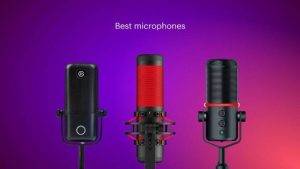
Before we dive into the details, it’s essential to understand what noise-canceling microphones are and how they work. Noise-canceling microphones are specialized devices designed to capture audio while actively reducing or eliminating unwanted background noise. These microphones utilize advanced technologies to distinguish between desired sound (such as a speaker’s voice) and unwanted noise (such as background chatter or ambient sounds), resulting in cleaner, more focused audio recordings.
There are two primary types of noise-canceling microphones
These microphones use built-in circuitry and signal processing to analyze and cancel out unwanted noise in real-time. ANC microphones are commonly used in headsets, headphones, and conference call systems.
Passive Noise-Canceling Microphones
Also known as noise-isolating microphones, these rely on physical barriers or materials (such as foam padding) to block out external noise. They are often used in studio microphones and recording setups.
The Evolution of Noise-Canceling Microphones
The journey of noise-canceling microphones begins with a desire to overcome the challenges of recording audio in noisy environments. Let’s explore the evolution of this technology:
Early Noise Reduction Techniques
In the early days of audio recording, engineers used acoustic baffles and soundproofing materials to minimize unwanted noise. While effective to some extent, these methods had limitations.
Introduction of ANC Technology
Active noise-canceling technology was first introduced in aviation headsets in the 1950s to reduce the roar of jet engines. Over time, it found its way into consumer headphones and microphones.
Advancements in ANC Algorithms
With the advent of digital signal processing (DSP) and sophisticated algorithms, ANC microphones became more effective at distinguishing between speech and noise. This led to significant improvements in audio quality.
Integration in Consumer Devices
Noise-canceling microphones are now commonly found in consumer products like headphones, smartphones, and conference call equipment, making clear communication possible in noisy environments.
Noise-Canceling Microphone Technologies

The effectiveness of noise-canceling microphones relies on advanced technologies that distinguish between desired audio and background noise. Here are some key technologies used in noise-canceling microphones:
Digital Signal Processing (DSP)
DSP is at the heart of ANC microphones. It processes incoming audio signals in real-time, identifying noise patterns and generating anti-noise to cancel out unwanted sounds.
Microphone Array
Noise-canceling microphones often feature multiple microphones strategically placed to capture audio from different angles. These arrays help in isolating the desired sound source while rejecting noise.
Adaptive Filtering
Advanced algorithms continuously adapt to changing noise environments, ensuring that noise cancellation remains effective even in dynamic settings.
Hybrid Noise Cancellation
Some noise-canceling microphones combine both active and passive noise-canceling techniques, offering superior noise reduction capabilities.
Beamforming
Beamforming technology allows microphones to focus on sound coming from a specific direction, such as a speaker’s voice, while minimizing sounds from other angles.
Applications of Noise-Canceling Microphones
Noise-canceling microphones find applications in various fields, each harnessing their power to enhance audio quality and clarity:
Communication and Collaboration
Noise-canceling microphones are integral to modern communication tools, such as headsets, smartphones, and video conferencing systems. They enable clear and distraction-free conversations in busy offices or remote work environments.
Audio Recording
Musicians and podcasters use noise-canceling microphones to capture studio-quality recordings, minimizing background noise for pristine audio.
Aviation and Transportation
Pilots and crew members rely on noise-canceling headsets to communicate effectively in the noisy environment of aircraft. Noise-canceling technology also benefits passengers on long flights by reducing cabin noise.
Medical and Healthcare
In medical settings, noise-canceling microphones improve communication clarity during surgeries and telemedicine consultations, ensuring accurate information exchange.
Entertainment
Noise-canceling microphones are used in live performances, theaters, and broadcasting to capture artists’ voices with exceptional clarity while minimizing crowd noise.
Best Practices for Using Noise-Canceling Microphones
Achieving the best results with noise-canceling microphones requires understanding how to use them effectively. Here are some best practices:
Microphone Placement
Position the microphone close to the sound source (e.g., speaker’s mouth) for optimal noise cancellation. Headsets should be worn correctly to ensure the microphone is in the correct position.
Environmental Awareness
Understand the noise environment and the specific challenges it presents. Adjust noise-canceling settings or microphone configurations accordingly.
Microphone Maintenance
Keep microphones clean and free from dust, dirt, or obstructions, as these can affect performance.
Battery Management
For wireless noise-canceling microphones, regularly check and replace batteries to prevent unexpected power loss during crucial moments.
Firmware Updates
Keep the microphone’s firmware up to date, as manufacturers may release updates that improve noise-canceling performance and overall functionality.
Troubleshooting Noise-Canceling Microphone Issues
Despite their advanced technology, noise-canceling microphones may encounter occasional issues. Here are some common problems and their solutions:
Intermittent Noise
If you experience intermittent noise or interference, check for nearby electronic devices that may be causing the problem. Relocating or powering down these devices can resolve the issue.
Battery Drain
Rapid battery drain can occur in wireless noise-canceling microphones. Ensure that the microphone is turned off when not in use and carry spare batteries or a charger.
Microphone Sensitivity
Adjust the microphone’s sensitivity settings to match the noise environment. Lower sensitivity can help reduce unwanted noise but may require the speaker to speak more closely to the microphone.
Static or Hissing
Static or hissing sounds can sometimes be caused by a poor connection or damaged cables. Inspect cables and connectors for damage and replace them if necessary.
Firmware Updates
Check if there are firmware updates available for your microphone. Updating the firmware may resolve performance issues.
Maximizing Noise-Canceling Microphone Performance
To unlock the full potential of your noise-canceling microphone, consider these additional tips:
Acoustic Treatment
When recording in a studio or controlled environment, invest in acoustic treatment to minimize reflections and background noise, further enhancing audio quality.
Backup Microphones
Always have a backup microphone on hand, especially in critical recording or communication situations. Redundancy ensures continuity in case of technical issues.
Monitoring
Use headphones or monitors to monitor audio quality in real-time. This allows for immediate adjustments and ensures that you’re capturing the cleanest audio possible.
Stay Informed
Keep up with advancements in noise-canceling technology and microphone technology in general. Staying informed will help you make informed decisions when choosing and using noise-canceling microphones.
Related Post:
The Magic of Movie Microphones: A Comprehensive Guide
Boom Microphones in Film: Capturing Cinematic Sound
The Sound of Excellence: Unleashing the Power of the Best Phone Microphones
Noise-canceling microphones have revolutionized the way we communicate and record audio, allowing us to capture pristine sound even in noisy environments. By understanding their technology, applications, best practices for usage, troubleshooting techniques, and additional tips, you can harness the full potential of these remarkable devices. Whether you’re recording music, conducting virtual meetings, or enjoying clear in-flight communication, noise-canceling microphones will continue to shape the future of audio technology, delivering crisp and uninterrupted sound experiences.