

Table of Contents
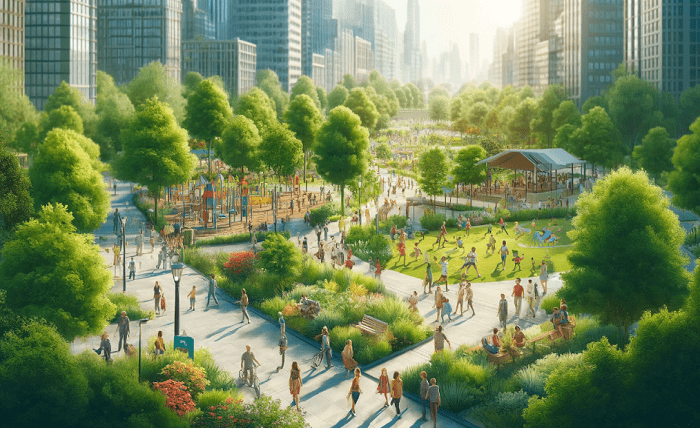
Cities are transforming their public spaces. Green urban areas are the focus. Parks and gardens are expanding. This brings nature closer to urban life. Every new green space offers a breath of fresh air. Residents enjoy healthier environments. These spaces become community hubs. People gather, relax, and play. This shift is reshaping urban landscapes. More trees and water features are added. They enhance the city’s beauty and biodiversity. Public art installations often accompany these green spaces, adding cultural value. These developments encourage outdoor gatherings and community events, which improve social cohesion. Additionally, educational programs about local flora and fauna are frequently conducted in these areas, increasing environmental awareness among city dwellers. This comprehensive approach not only beautifies the city but also educates and unites its residents, creating a more engaged and informed community.
The Benefits of Green Public Areas
Green spaces offer many advantages. They cool down cities. Trees provide shade and lower temperatures. This is crucial in hot weather. Green areas also reduce noise. They absorb sound better than concrete. Air quality improves with more plants. People feel healthier and more energized. These areas also support wildlife. Birds, bees, and butterflies find homes here. This biodiversity is essential for ecological balance.
Expanding urban greenery improves stormwater management. Plants and soil capture rain, reducing runoff and preventing erosion. This integration of nature in urban planning helps mitigate flooding risks, especially during heavy rains. Green spaces serve as natural filters, purifying the water that seeps into the ground, thus protecting local waterways. Additionally, these areas provide a natural cooling effect, which is increasingly important in urban heat islands where built environments can significantly increase local temperatures. Increased greenery also offers psychological benefits, reducing stress and improving the mood of city residents, creating a healthier, more sustainable urban environment overall.
Community and Well-being
Green public spaces foster community spirit. People meet and connect in these areas. Outdoor activities increase. Children play outdoors more. Adults exercise and socialize. Mental health improves with access to nature. Communities grow stronger. Public green spaces are vital for well-being.
These spaces offer safe places for events. Picnics, sports, and festivals happen here. Everyone from toddlers to seniors enjoys these areas. More green spaces mean more community events. These gatherings bring neighbors together. They break down barriers. Friendships form. Support networks grow.
Access to such spaces also encourages regular exercise. This promotes physical health. Parks have trails and equipment. People walk, run, and workout. This active lifestyle combats obesity and stress. Families spend quality time. They explore nature together. This strengthens bonds and fosters a sense of belonging. Such benefits show why green public spaces are crucial for urban life.
Overcoming Challenges
Creating these spaces is not simple. Land is scarce in cities. Funding can be tight. But solutions are emerging. Cities convert unused areas into parks. They also create green rooftops. Public-private partnerships fund these projects. Community groups help maintain these spaces. Together, they overcome obstacles.
Innovative designs make use of every available space. Small corners of neighborhoods turn into pocket parks. Old parking lots transform into community gardens. These changes make a big difference. Local businesses often sponsor these spaces. They benefit from the improved local environment.
Volunteers play a big role. They plant, water, and care for these places. Schools and nonprofits join in. They educate residents about the importance of green spaces. This builds a culture of care. Everyone contributes to the upkeep. This community effort keeps the projects sustainable. It shows that even with challenges, green spaces can flourish in urban settings.
The Future of Urban Green Spaces
The future of urban areas includes more green spaces. Cities plan for sustainability. They integrate nature into urban development. Green corridors link parks across cities. This approach benefits everyone. It makes cities more livable and attractive. Leaders are committed to expanding green spaces. This vision promotes a sustainable and vibrant urban future.
Conclusion
Revitalizing public spaces through green initiatives is crucial. It enhances the quality of life in cities. These efforts support environmental and social goals. Green public spaces are more than just beautiful. They are essential for sustainable urban living. This movement is growing. It promises greener, more lively cities ahead.