


Table of Contents
In our modern world, where technology reigns supreme, charging cords have become essential accessories. With an array of devices in our lives, each with its unique power requirements, understanding charging cord types is crucial. From USB-C to Lightning, and everything in between, this guide will navigate you through the maze of charging options, helping you choose the right cord for your needs.
What is USB-A?

USB-A, or Universal Serial Bus Type-A, is one of the most common types of USB connectors. It’s recognizable by its rectangular shape and has been around for decades. USB-A cords are typically used for connecting devices like smartphones, tablets, and external hard drives to computers or wall chargers.
Compatibility
USB-A cords are widely compatible with older devices but are being phased out in favor of newer USB standards like USB-C.
Advantages
- Widely available
- Compatible with a wide range of devices
- Affordable
Disadvantages
- Limited data transfer speed compared to newer standards
- Bulkier compared to USB-C
USB-B Cords
What is USB-B?
USB-B, or Universal Serial Bus Type-B, is less common than USB-A but is still found in certain devices like printers, scanners, and some external hard drives. It has a square shape with beveled corners.
Compatibility
USB-B cords are primarily used for connecting peripheral devices to computers or power sources.
Advantages
- Reliable connection for specific devices
- Commonly found in legacy equipment
Disadvantages
- Limited use compared to USB-A or USB-C
- Not as versatile as newer standards
Micro-USB Cords
What is Micro-USB?

Micro-USB is a smaller version of the standard USB connector and is commonly used for charging smartphones, tablets, and other portable devices.
Compatibility
Micro-USB cords are prevalent in older Android devices, Bluetooth speakers, and other gadgets.
Advantages
- Small and compact design
- Widely used in older devices
- Cost-effective
Disadvantages
- Limited durability compared to newer standards like USB-C
- Slower data transfer speeds
USB-C Cords
What is USB-C?
USB-C, also known as USB Type-C, is the latest USB connector standard. It features a reversible design, meaning it can be plugged in either way, making it incredibly convenient.
Compatibility
USB-C is becoming the new standard for charging and data transfer across various devices, including smartphones, laptops, tablets, and peripherals.
Advantages
- Reversible design for easy connection
- Faster data transfer speeds
- Supports higher power delivery for faster charging
- Versatile: can be used for charging, data transfer, video output, and more
Disadvantages
- Still transitioning to widespread adoption, some older devices may not have USB-C ports
Lightning Cords
What is Lightning?
Lightning is Apple’s proprietary connector used for charging and syncing its devices, such as iPhones, iPads, and iPods.
Compatibility
Lightning cords are compatible exclusively with Apple products.
Advantages
- Designed specifically for Apple devices
- Reliable connection
- Fast charging capabilities
Disadvantages
- Limited compatibility with non-Apple devices
- Higher cost compared to standard USB cables
Choosing the Right Charging Cord
Consider Your Devices
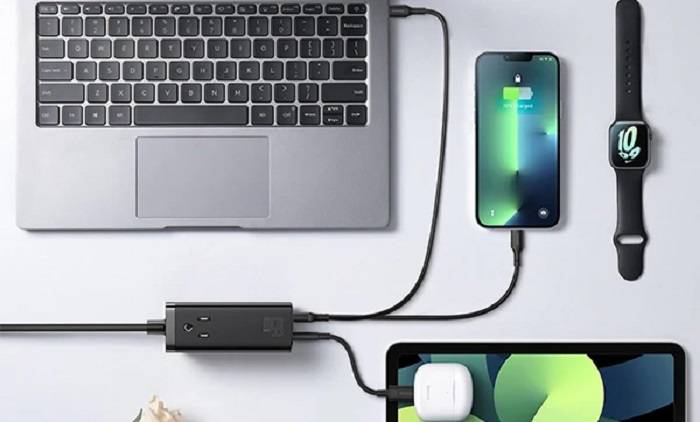
When selecting a charging cord, consider the devices you own. If you have a mix of Apple and non-Apple products, you may need both Lightning and USB-C cables.
Future-Proofing
Given the shift towards USB-C as the universal standard, investing in USB-C cords can future-proof your accessories as more devices adopt this technology.
Quality Matters
Invest in high-quality cables to ensure durability and safety. Cheap, knock-off cables may not provide adequate protection against overcharging or power surges.
Navigating the world of charging cord types may seem daunting at first, but with a basic understanding of the different standards available, you can make informed decisions when purchasing cables for your devices. Whether you opt for the versatility of USB-C, the familiarity of USB-A, or the exclusivity of Lightning, choosing the right cord ensures efficient power delivery and seamless connectivity for your gadgets. Stay informed, stay connected, and never be caught without the right cord again.
Advanced Charging Cord Technologies
USB Power Delivery (USB-PD)
USB Power Delivery is a fast-charging protocol that allows devices to negotiate power delivery levels up to 100 watts over a USB connection. This technology is particularly prevalent in USB-C cords and chargers, offering faster charging times for compatible devices.
Advantages of USB-PD
- Rapid charging: USB-PD can deliver higher power levels, enabling faster charging of smartphones, laptops, and other devices.
- Universal compatibility: USB-PD is a standard feature in many modern USB-C chargers and devices, ensuring interoperability across brands.
- Flexibility: USB-PD supports various power profiles, allowing devices to adapt to different power requirements dynamically.
Qualcomm Quick Charge
Qualcomm Quick Charge is a fast-charging technology developed by Qualcomm for compatible Android devices. It operates by increasing the voltage to enable faster charging without generating excess heat.
Advantages of Qualcomm Quick Charge
- Speed: Quick Charge can significantly reduce charging times, allowing users to top up their devices quickly.
- Efficiency: By optimizing voltage levels, Quick Charge minimizes energy loss during the charging process.
- Compatibility: Quick Charge is backward compatible with previous versions, ensuring support for older devices.
Wireless Charging
Wireless charging technology eliminates the need for physical cables by transmitting power wirelessly from a charging pad to a compatible device. It utilizes electromagnetic induction to transfer energy between coils.
Advantages of Wireless Charging
- Convenience: Wireless charging offers a hassle-free charging experience, allowing users to simply place their device on a charging pad.
- Durability: Since there are no physical connectors involved, wireless charging reduces wear and tear on charging ports, prolonging the lifespan of devices.
- Aesthetics: Wireless charging pads can be integrated into furniture, vehicles, and public spaces, providing a seamless charging solution without cluttering the environment with cables.
Choosing the Right Charging Technology
Consider Device Compatibility

When selecting a charging cord or technology, ensure compatibility with your devices. While USB-C is becoming the standard for many devices, some older gadgets may still rely on proprietary connectors like Lightning or Micro-USB.
Evaluate Charging Speed and Efficiency
Different charging technologies offer varying levels of speed and efficiency. If fast charging is a priority, opt for USB-PD or Qualcomm Quick Charge-compatible accessories. However, be mindful of the impact on battery longevity, as rapid charging can accelerate battery degradation over time.
Assess Convenience and Lifestyle
Wireless charging may be preferable for individuals seeking a clutter-free charging experience or those frequently on the go. However, it’s essential to weigh the convenience against potential drawbacks like slower charging speeds and compatibility limitations.
Invest in Quality
Regardless of the charging technology you choose, invest in high-quality cables, chargers, and accessories to ensure reliable performance and safety. Avoid counterfeit or uncertified products, as they may pose risks of overheating, electrical shorts, or damage to your devices.
Related Post:
Top 3 Apps to Play Online Games on Phone
Instructions on dragon and tiger card playing strategies at Jun88
Collision Repair: Restoring Your Vehicle to Pre-Accident Condition
Elevating Your Zoom Meetings with Wireless Microphones: A Comprehensive Guide
As technology continues to evolve, so too do our charging options. From traditional USB cables to cutting-edge wireless charging solutions, there’s a myriad of choices available to meet the diverse needs of consumers. By understanding the advantages and limitations of each charging technology and considering factors like device compatibility, charging speed, and convenience, you can make informed decisions when selecting the right charging cord or technology for your devices. Stay plugged in, stay charged up, and embrace the power of connectivity in the digital age.