


Table of Contents
When it comes to achieving crystal-clear audio quality in your recordings, having the right equipment can make all the difference. The Audio-Technica AT2020 microphone is a popular choice among content creators, podcasters, and musicians for its exceptional sound capture capabilities. However, even the best microphones can benefit from some accessories to ensure top-notch performance. In this comprehensive guide, we’ll explore the world of AT2020 pop filters and how they can help you eliminate plosive sounds, ensuring your audio recordings are professional-grade.
What is an AT2020 Pop Filter?
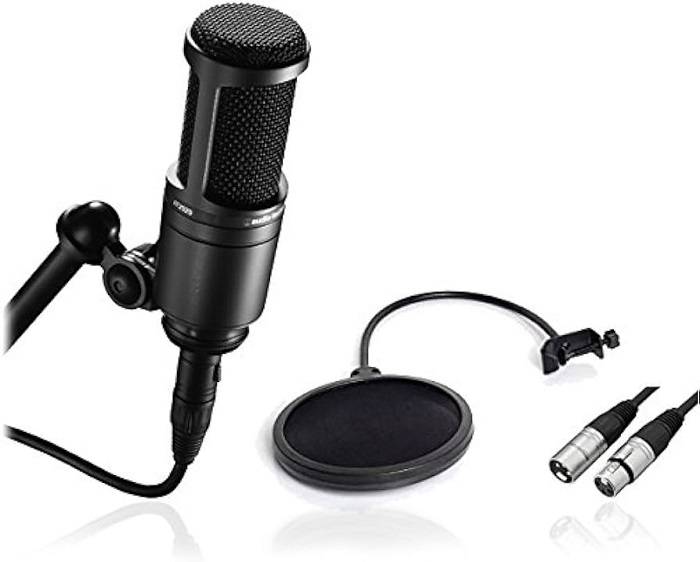
Before diving into the specifics of AT2020 pop filters, let’s first understand what they are and why they are essential for your microphone setup.
Defining Pop Filters
A pop filter is a simple yet highly effective accessory used in the world of audio recording. It is designed to minimize or eliminate plosive sounds, which are those annoying bursts of air that occur when certain consonant sounds are pronounced into the microphone. Plosive sounds can lead to distorted and unpleasant audio recordings, which is something no content creator wants to deal with.
The AT2020 Microphone
The Audio-Technica AT2020 microphone is renowned for its exceptional audio quality and versatility. However, like all microphones, it is susceptible to plosive sounds, especially when used in close proximity to the sound source. This is where an AT2020 pop filter comes into play.
Benefits of Using an AT2020 Pop Filter
Now that we’ve established what pop filters are, let’s delve into the specific benefits of using one with your AT2020 microphone.
Improved Audio Clarity
One of the most significant advantages of using a pop filter with your AT2020 microphone is the noticeable improvement in audio clarity. By preventing plosive sounds from reaching the microphone, you’ll achieve cleaner and more natural-sounding recordings.
Reduction in Post-Production Work
Without a pop filter, you may find yourself spending more time in post-production trying to remove or reduce plosive sounds. This can be a time-consuming process that can affect the overall quality of your recordings. With a pop filter in place, you’ll save valuable time and effort in the editing room.
Enhanced Professionalism
Whether you’re recording a podcast, a music track, or voiceovers for video content, professionalism is key. Using an AT2020 pop filter not only improves your audio quality but also demonstrates your commitment to producing high-quality content to your audience.
Types of AT2020 Pop Filters

Now that you’re convinced of the benefits of using a pop filter with your AT2020 microphone, let’s explore the various types available in the market.
Nylon Mesh Pop Filters
Nylon mesh pop filters are a popular choice among content creators due to their affordability and effectiveness. These filters consist of multiple layers of fine mesh that capture plosive sounds while allowing your voice or instrument to pass through undisturbed.
Metal Pop Filters
Metal pop filters are known for their durability and longevity. They typically consist of a fine metal screen mounted on a sturdy frame. While they may be slightly more expensive than nylon mesh filters, they offer excellent plosive sound suppression.
Foam Pop Filters
Foam pop filters are the most affordable option and are often included with AT2020 microphone bundles. While they may not provide the same level of plosive sound reduction as mesh or metal filters, they still offer a noticeable improvement in audio quality.
How to Choose the Right AT2020 Pop Filter
Selecting the right pop filter for your AT2020 microphone is essential to maximize its benefits. Consider the following factors when making your decision:
Material
Choose a pop filter made from a material that suits your needs and budget. Nylon mesh filters are cost-effective, while metal filters offer durability. Foam filters are a good starting point for beginners.
Mounting Mechanism
Check how the pop filter attaches to your microphone stand or boom arm. Make sure it is compatible with your AT2020 microphone setup. Some pop filters use adjustable gooseneck arms, while others have clamp-on or screw-on designs.
Size and Shape
Consider the size and shape of the pop filter. It should adequately cover the microphone’s diaphragm and be easy to position without obstructing your view while recording.
Budget
Pop filters come in a range of price points. Set a budget that aligns with your needs and preferences, as there are options available for various price ranges.
How to Properly Use an AT2020 Pop Filter
Now that you’ve chosen the perfect pop filter for your AT2020 microphone, it’s essential to know how to use it effectively.
Positioning
Position the pop filter approximately 2-4 inches away from the microphone. This distance allows it to capture plosive sounds without interfering with the audio quality.
Angling
Angle the pop filter slightly to direct the airflow away from the microphone’s diaphragm. Experiment with the angle to find the most effective position for your specific recording setup.
Secure Attachment
Ensure that the pop filter is securely attached to your microphone stand or boom arm. This prevents it from moving or falling during recording sessions.
DIY Pop Filter Options
If you’re on a tight budget or enjoy DIY projects, you can create your own pop filter for your AT2020 microphone. Here are two simple DIY options:
Materials needed:
- An embroidery hoop
- A piece of pantyhose fabric
- Zip ties or twist ties
Instructions:
- Stretch the pantyhose fabric over one side of the embroidery hoop.
- Secure the fabric in place using zip ties or twist ties.
- Trim any excess fabric to create a circular shape.
- Attach the embroidery hoop to your microphone stand or boom arm.
Wire Hanger and Nylon Stocking
- A wire hanger
- A nylon stocking
- Tape or zip ties
Instructions:
- Straighten the wire hanger and shape it into a circular frame with a handle.
- Stretch the nylon stocking over the wire frame, ensuring it is taut.
- Secure the stocking in place using tape or zip ties.
- Attach the wire frame to your microphone stand or boom arm.
While these DIY options may not provide the same level of plosive sound reduction as commercial pop filters, they can still offer a significant improvement in audio quality.
Related Posts:
- Exploring the Best Episodes of Last Podcast on the Left
- Exploring the Advantages and Disadvantages of Podcasting
- Echo Be Gone: A Comprehensive Guide on How to Stop Microphone Echo
An AT2020 pop filter is a valuable accessory that can greatly enhance your audio recordings by reducing plosive sounds and improving overall clarity. Whether you choose a nylon mesh, metal, or foam pop filter, selecting the right one for your needs and using it correctly is key to achieving professional-grade audio. So, invest in a high-quality pop filter, position it correctly, and elevate the quality of your content to new heights with your Audio-Technica AT2020 microphone. Your audience will thank you for it.