


Table of Contents
A music recorder microphone is an essential tool for recording sound with high-quality audio. It captures sound from musical instruments, vocals or any other sound source for recording purposes.
Recording sound for music or videos with sub-par audio quality may destroy the entire purpose of recording. A music recorder microphone is useful in recording high-quality sound at all times. It is widely used by musicians, producers, podcasters, and video makers to capture sound in crisp, clear and high fidelity. With an extensive range of music recorder microphones in the market, one must choose the right microphone that meets their requirements. In this article, we will look at some of the best and top-performing music recorder microphones in the market today.
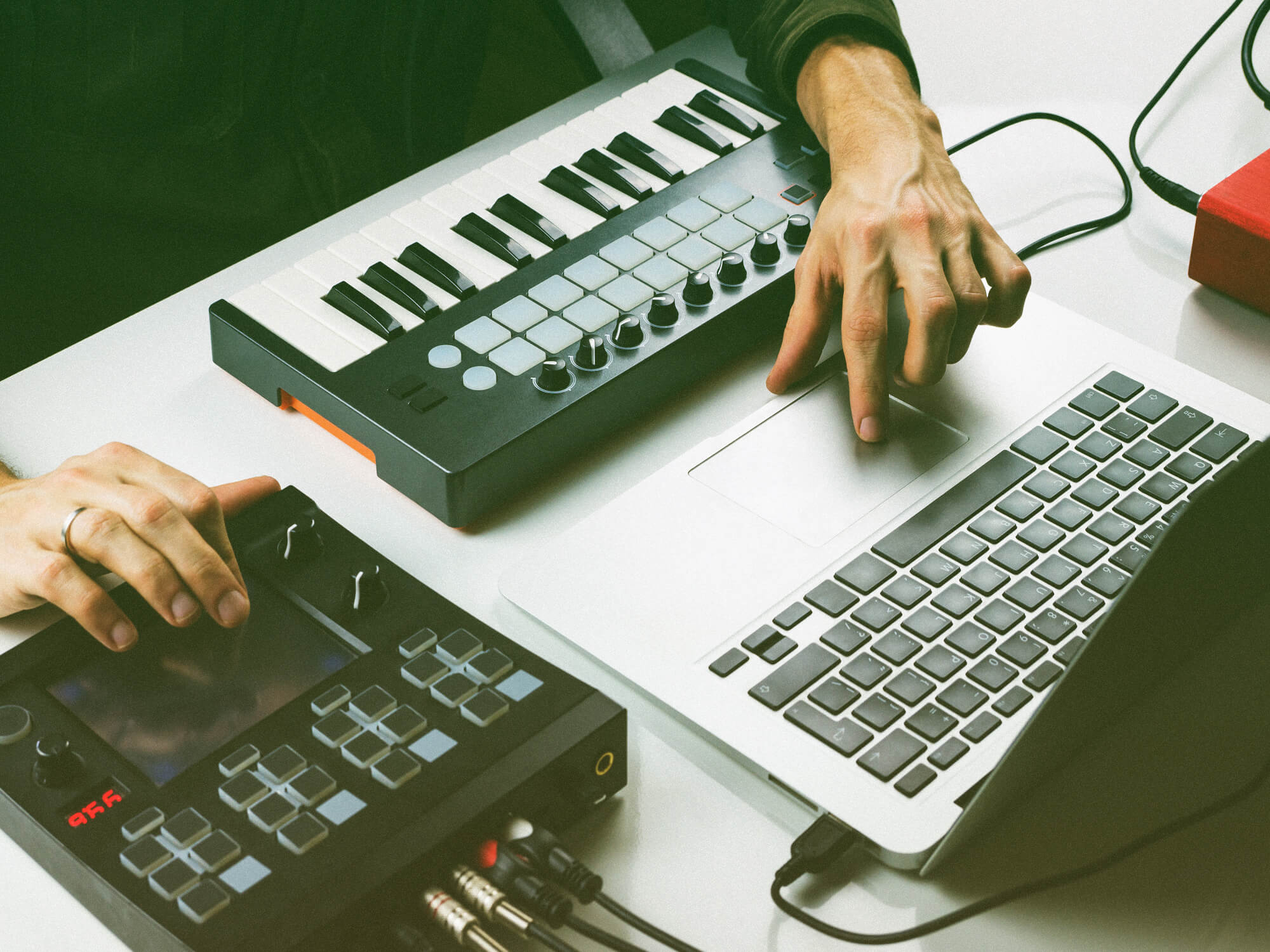
Credit: musictech.com
Understanding Technical Specifications
Music recording is a technical art, and to achieve the best sound quality, one must have the appropriate recording tools. A music recorder microphone is an essential tool every sound recordist or musician needs, but understanding its technical specifications can be daunting for novices.
This section helps simplify the complexities of music recorder microphones and highlights the critical factors to consider before purchasing them.
Sensitivity And Dynamic Range
Sensitivity and dynamic range are interconnected and crucial specifications of a music recorder microphone that must be considered before buying. It determines the microphone’s ability to record sounds without noise distortion.
- Sensitivity measures how receptive a microphone is to sound. A high sensitive recorder microphone will translate low sound waves into a recording, while a low sensitivity will not. Therefore, recording quiet sound sources, such as whispers, requires a high sensitivity recorder microphone.
- Dynamic range measures the range between the lowest and highest decibels that a microphone can record without distortion. It is essential to choose a music recorder microphone with a high dynamic range, especially when recording music that involves loud and soft sounds.
Polar Pattern
Polar patterns are another essential specification that anyone looking to buy a music recorder microphone must consider. The polar pattern determines the direction of sound captured by the microphone.
- Cardioid polar pattern records sound directly in front of the mic, and it is suitable for solo performances, podcasting, or gaming.
- Omnidirectional polar pattern records sound all around the microphone and is suitable when recording a group conversation or event.
Self-Noise
Self-noise is the inherent noise level of the microphone when no sound is being recorded. A high self-noise recorder microphone will pick and transmit a lot of noise, making the recording unusable.
- Low self-noise recorder microphones are the most appropriate as they offer a more precise and quieter sound recording.
Frequency Response
The frequency response range indicates the microphone’s ability to capture different sound frequencies. A wide frequency response range is essential in recording a full range of sound frequencies.
- It is essential to choose a music recorder microphone with a flat frequency response, which means it records all the sound frequencies with the same level of intensity, achieving a natural recording.
Impedance
Impedance is the resistance to alternating current (ac) flow in the microphone circuit. Impedance is crucial for matching the microphone to the preamp.
- Low-impedance microphone is the most appropriate because it offers stable performance regardless of cable length and is immune to radio-frequency interference.
Understanding these technical specifications will help you choose the right and best quality music recorder microphone.
Types Of Music Recorder Microphones
Using a music recorder microphone can be a game changer for musicians and music enthusiasts alike. It allows them to capture every note, every beat, and every sound accurately. But, with so many music recorder microphones in the market, it can be overwhelming to choose the right one.
In this section, we’ll discuss the key features of different types of music recorder microphones to help you make an informed decision.
Dynamic Microphones
Dynamic microphones are a popular choice for live performances. They have a simple design with a moving coil and are sturdy enough to handle high sound pressure levels.
- They are less sensitive compared to other microphones but can handle loud sounds effortlessly.
- They are best suited for recording drums, guitar amps and other loud instruments.
- They don’t require an external power source and are affordable.
Condenser Microphones
Condenser microphones are the go-to microphones for studio-quality recordings. They have a more complex design, with a thin diaphragm suspended in front of a metal plate.
- They are highly sensitive and capture more detail in sound than other types of microphones.
- They require an external power source and are more expensive compared to dynamic microphones.
- They are best suited for recording vocals, acoustic guitars, pianos and other delicate instruments.
Ribbon Microphones
Ribbon microphones have a unique design with a thin metal ribbon suspended between two poles of a magnet. They are known for their warm and natural sound.
- They are the most delicate type of microphone and require careful handling.
- They have a bidirectional polar pattern, meaning they capture sound from both the front and back of the microphone.
- They are best suited for recording brass instruments, strings, and vocals.
Usb Microphones
Usb microphones are plug-and-play microphones that can be connected directly to a computer or laptop. They are convenient and portable.
- They come in a variety of shapes and sizes, including handheld, table-mounted and clip-on.
- They are best suited for podcasting, voice-overs, and recording demos.
- They are affordable and eliminate the need for an additional audio interface.
Lavalier Microphones
Lavalier microphones, also known as lapel mics, are small and unobtrusive microphones designed to be clipped onto clothing. They are perfect for interviews or presentations.
- They are omnidirectional, meaning they capture sound from all directions.
- They are compact and can be easily hidden from view.
- They are best suited for recording speeches, presentations, and interviews.
Shotgun Microphones
Shotgun microphones are highly directional microphones that capture sound from a narrow angle. They are perfect for location recordings or independent filmmaking.
- They are long and slender, resembling the barrel of a shotgun.
- They are best suited for recording audio from a distance.
- They are highly directional and can reject background noise.
The type of music recorder microphone that suits you depends on your recording needs. Consider the source of the sound, the environment, and the budget before making a choice. With this guide, you’re sure to find the perfect music recorder microphone for your needs.
How to Choose an Audio Voice Recorder – EVERYTHING You Need to Know
Choosing The Right Music Recorder Microphone
Are you in the market for a music recorder microphone? With so many options available, it can be overwhelming to decide which one is the right fit for your needs. In this post, we will discuss the most important factors to consider when choosing a music recorder microphone.
Budget Considerations
When it comes to purchasing a music recorder microphone, your budget should be one of the primary factors to consider. Microphone prices can vary widely, from less than $50 to thousands of dollars. However, keep in mind that the most expensive microphone might not always be the best fit for your needs.
Determine your budget and look for microphones that offer the best value for your money.
Recording Environment
The recording environment is another crucial factor when choosing a music recorder microphone. The acoustics of your recording space will affect how your recording sounds. For example, if you are recording in a noisy environment, you’ll want a microphone that can filter out background noise.
On the other hand, if you’re recording in a large, echoey room, you’ll need a microphone that can capture the full range of sound while minimizing echoes.
Type Of Instrument Or Voice Being Recorded
Different types of microphones are suited for specific types of instruments or voices. For instance, dynamic microphones are great for drums, guitar amps, and loud vocals. Meanwhile, condenser microphones are better suited for acoustic instruments like guitars and pianos, as well as delicate vocals.
Consider the type of instrument or voice you’ll be recording and choose a microphone that is tailored to that specific use case.
Compatibility With Recording Equipment
Before purchasing a music recorder microphone, ensure it’s compatible with the recording equipment you have. Some microphones require specific preamps or phantom power supplies, which may not be supported by your recording device. Additionally, check that the microphone’s polar pattern matches the recording style you intend to use.
For instance, if you’re recording a solo musician, a cardioid polar pattern would be ideal. If you’re recording a group, a omnidirectional polar pattern might be more suitable.
Choosing the right music recorder microphone is key to capturing great sound quality. By taking into consideration your budget, recording environment, type of instrument or voice, and compatibility with your recording equipment, you’ll be able to narrow down the best microphone options for your needs.
Tips For Using Music Recorder Microphones
Proper Microphone Placement And Setup
Getting the right microphone placement and setup is crucial for recording high-quality audio.
- Position the microphone closer to the source of sound to achieve optimal volume and clarity
- Use a microphone stand to maintain a consistent distance between the microphone and the sound source
- Test the microphone to ensure it is working correctly before starting a recording
- Avoid placing the microphone too close to any reflective surfaces that may cause unwanted reverb and echos
Adjusting Gain And Volume Levels
Once you have your microphone set up correctly, it’s time to adjust the gain and volume levels.
- Adjust the gain to bring the microphone’s signal to a level that is comfortable to work with
- Increase or decrease the volume level until you achieve the desired sound quality without any distortion or clipping
- Use a pop shield to prevent plosives from distorting the audio during recording
Reducing Ambient Noise
Noise pollution can significantly affect the quality of your recordings.
- Record in a quiet environment, like a soundproof studio
- Shut out any external noise sources like open windows and doors
- Use a noise gate to reduce any background noise during the editing process
Using Pop Filters And Shock Mounts
Using pop filters and shock mounts can help improve the quality of your recordings.
- A pop filter reduces plosives and wind noise, such as the popping sound that “p” and “t” sounds make when recorded
- A shock mount reduces any unwanted vibrations that could be picked up by the microphone
By following these tips for using music recorder microphones, you’ll be able to record high-quality audio for any purpose. Just remember to set up your microphone correctly, adjust gain and volume levels as required, reduce background noise, and use pop filters and shock mounts to create the best recording possible.
Frequently Asked Questions On Music Recorder Microphone
What Is A Music Recorder Microphone?
A music recorder microphone is a device that captures sounds from musical instruments for recording purposes.
What Features Should I Look For In A Music Recorder Microphone?
High sensitivity, low noise, good frequency response, and compatibility with your recording device are key features to consider.
Do I Need A Separate Music Recorder Microphone For Each Instrument?
No, you don’t. You can use one high-quality microphone to record several instruments as long as it’s placed optimally.
Should I Get A Condenser Or Dynamic Music Recorder Microphone?
For recording music, a condenser microphone is ideal as it captures a broader frequency range and has a higher sensitivity.
Can I Use A Music Recorder Microphone For Live Performances?
Yes, you can. However, you should ensure that the microphone can handle high sound pressure levels without distortion.
Conclusion
The music recorder microphone is a versatile and convenient tool for recording high-quality audio on-the-go. With its compact size and user-friendly features, it is the perfect solution for musicians, journalists, podcasters, and anyone in need of a reliable microphone for capturing sound on their mobile devices.
The microphone’s directional design and noise-cancellation features ensure clear and vibrant sound quality, while its compatibility with various audio recording apps makes it incredibly easy to use. Whether you’re recording an interview, concert, or your latest musical composition, the music recorder microphone is an excellent investment for anyone seeking a portable and professional audio solution.
So, give it a try and let your creativity soar!