

Table of Contents
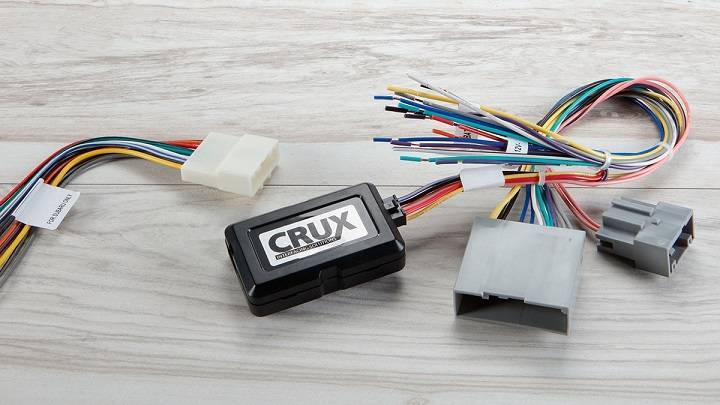
In the realm of automotive audio systems, a stereo wiring harness stands as a crucial yet often overlooked component. While many car enthusiasts invest in high-quality speakers, amplifiers, and head units, the wiring harness plays a pivotal role in ensuring seamless integration and optimal performance. This article delves deep into the significance of stereo wiring harnesses, their functionality, installation process, and the benefits they bring to your car audio system.
Understanding Stereo Wiring Harnesses
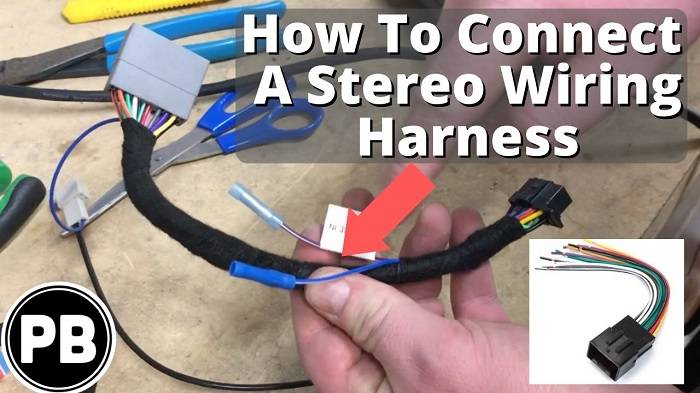
Before delving into the intricacies of stereo wiring harnesses, it’s essential to grasp their fundamental purpose and structure. A stereo wiring harness serves as an intermediary between the car’s factory wiring and aftermarket audio equipment. Essentially, it connects the audio components to the car’s electrical system while providing a standardized interface for compatibility.
Functionality
The primary function of a stereo wiring harness is to streamline the installation process of aftermarket audio equipment. By eliminating the need for cutting or splicing into the car’s factory wiring, it ensures a hassle-free installation while preserving the integrity of the vehicle’s electrical system.
Components
A typical stereo wiring harness comprises several components, including:
- Wire Harness: The core component that consists of wires, connectors, and terminals. It facilitates the connection between the car’s electrical system and aftermarket audio equipment.
- Connectors: Interface points that allow seamless connection between the wiring harness and audio components such as head units, amplifiers, and speakers.
- Terminals: Contact points where wires are attached, ensuring secure electrical connections without the risk of short circuits or electrical failures.
Compatibility
Stereo wiring harnesses come in various configurations to cater to different car makes and models. They are designed to be compatible with specific vehicles, ensuring a perfect fit and easy installation without the need for modifications.
Benefits of Using a Stereo Wiring Harness
Investing in a quality stereo wiring harness offers a myriad of benefits that enhance the overall audio experience and simplify the installation process.
Plug-and-Play Installation
One of the most significant advantages of using a stereo wiring harness is its plug-and-play nature. Unlike traditional wiring methods that require cutting and splicing wires, a wiring harness enables quick and effortless installation. Simply match the harness connectors to those of the aftermarket audio equipment, and you’re ready to go.
Preserves Factory Wiring
By bypassing the need for cutting or modifying the car’s factory wiring, a stereo wiring harness helps preserve the integrity of the vehicle’s electrical system. This ensures that warranty coverage remains intact and prevents potential electrical issues down the line.
Minimizes Installation Errors
Installing aftermarket audio equipment can be daunting, especially for beginners. A stereo wiring harness simplifies the process and minimizes the risk of installation errors. With clearly labeled connectors and color-coded wires, connecting the audio components becomes a straightforward task.
Facilitates Upgrades and Modifications
As car audio technology evolves, enthusiasts often seek to upgrade or modify their systems to keep pace with the latest trends. A stereo wiring harness makes it easier to swap out components or integrate new ones without the need for extensive rewiring. This flexibility allows for seamless upgrades and modifications to enhance the audio experience.
Enhances Audio Quality
A well-designed stereo wiring harness ensures optimal electrical conductivity, resulting in improved audio quality. By providing a clean and stable connection between the audio components and the car’s electrical system, it minimizes signal loss and interference, allowing for clearer sound reproduction.
Installation Process

Installing a stereo wiring harness is a relatively straightforward process that can be completed with basic tools and minimal technical expertise. Below is a step-by-step guide to help you navigate the installation process:
Gather Required Materials
Before you begin, ensure you have the following materials on hand:
- Stereo wiring harness compatible with your vehicle
- Aftermarket audio equipment (head unit, amplifier, speakers, etc.)
- Wire strippers/cutters
- Crimping tool
- Electrical tape
- Zip ties (for cable management)
Disconnect the Battery
To prevent electrical accidents, start by disconnecting the car battery’s negative terminal.
Remove the Factory Stereo
Depending on your vehicle model, removing the factory stereo may require special tools or disassembly of the dashboard panels. Refer to your car’s manual or online guides for specific instructions.
Connect the Wiring Harness
Match the harness connectors to those of the aftermarket audio equipment (head unit, amplifier, etc.) Ensure that each wire is securely connected using crimp connectors or soldering for a reliable connection.
Secure the Wiring Harness
Once all connections are made, secure the wiring harness and excess wires using zip ties to prevent rattling and ensure a neat installation.
Test the Audio System
Before reassembling the dashboard panels, reconnect the car battery and test the audio system to ensure everything is functioning correctly.
Reassemble the Dashboard
If everything is working as intended, reassemble the dashboard panels and secure them in place.
A stereo wiring harness serves as the backbone of any car audio system, providing a seamless integration between aftermarket audio equipment and the vehicle’s electrical system. By simplifying the installation process, preserving factory wiring, and enhancing audio quality, it offers a multitude of benefits for car enthusiasts seeking to upgrade their audio experience. Whether you’re a seasoned audiophile or a novice installer, investing in a quality wiring harness is an essential step towards unlocking the full potential of your car’s stereo system.
Advanced Wiring Harness Technologies
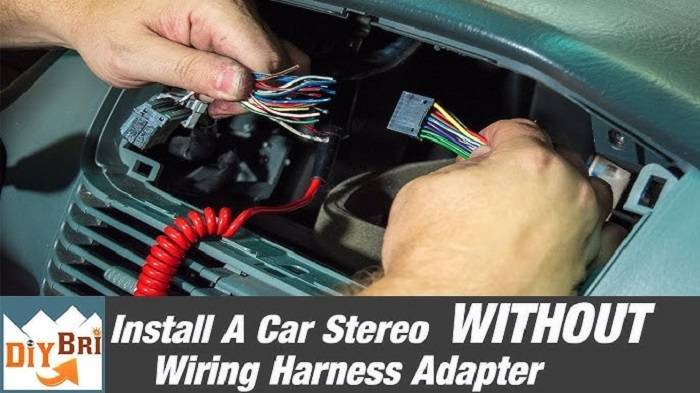
In recent years, advancements in automotive technology have led to the development of innovative features and functionalities in stereo wiring harnesses. These advancements aim to further enhance the performance, reliability, and convenience of aftermarket audio installations. Let’s explore some of the cutting-edge technologies shaping the future of stereo wiring harnesses.
Integration with Vehicle Networks
Modern vehicles are equipped with sophisticated network systems such as Controller Area Network (CAN) and Local Interconnect Network (LIN) that facilitate communication between various onboard components. Advanced wiring harnesses now incorporate interfaces compatible with these vehicle networks, enabling seamless integration with the car’s existing electronics. This integration allows for enhanced control and data exchange between the audio system and other vehicle functions, such as steering wheel controls, climate control, and vehicle diagnostics.
Digital Signal Processing (DSP)
Digital Signal Processing (DSP) technology has revolutionized the way audio signals are processed and optimized in car audio systems. Advanced wiring harnesses may include built-in DSP modules that allow for real-time audio processing, equalization, and sound enhancement. By leveraging DSP algorithms, users can fine-tune the audio output to their preferences, adjust crossover frequencies, and create custom audio profiles tailored to different music genres or listening environments. This level of customization enhances the overall audio experience and ensures optimal sound quality in the vehicle.
High-Fidelity Audio Transmission
Traditional analog wiring harnesses are susceptible to signal degradation and interference, which can impact audio quality, especially in noisy automotive environments. To address this issue, manufacturers are incorporating high-fidelity digital interfaces such as Optical Audio (Toslink) and Digital Coaxial (S/PDIF) into stereo wiring harnesses. These digital interfaces provide a noise-free transmission path for audio signals, resulting in pristine sound reproduction with minimal distortion. Additionally, digital interfaces support higher resolution audio formats, allowing audiophiles to enjoy studio-quality sound in their vehicles.
Wireless Connectivity
With the proliferation of wireless audio technologies such as Bluetooth and Wi-Fi, modern wiring harnesses are integrating wireless connectivity options for seamless audio streaming and device integration. Bluetooth-enabled harnesses allow users to wirelessly connect their smartphones, tablets, or other Bluetooth-enabled devices to the car audio system, eliminating the need for cumbersome cables and adapters. Additionally, Wi-Fi connectivity enables advanced features such as wireless firmware updates, remote control via mobile apps, and integration with smart home automation systems, further enhancing the user experience.
Intelligent Power Management
Efficient power management is crucial for optimizing the performance and reliability of car audio systems. Advanced wiring harnesses may incorporate intelligent power management features such as voltage regulation, current sensing, and thermal protection mechanisms. These features help prevent voltage fluctuations, overloading, and overheating, ensuring stable power delivery to the audio components and prolonging their lifespan. Intelligent power management also enhances energy efficiency, reducing power consumption and minimizing the load on the vehicle’s electrical system.
Modular Design
Modular wiring harness designs offer flexibility and scalability for future upgrades and expansions. Instead of being a static component, modular harnesses allow users to add or remove modules based on their evolving audio needs. For example, users can easily integrate additional amplifiers, subwoofers, or signal processors into the existing harness architecture without the need for extensive rewiring. This modular approach simplifies system upgrades and modifications, enabling users to customize their audio setups according to their preferences and budget.
Related Post:
Rev Up Your Ride: Must-Have Suzuki ATV Accessories for Ultimate Adventure!
Unleash the Power: Exploring the Scosche 500k Micro Farad Capacitor
Exploring the Evolution: Micro USB vs. USB-C
The evolution of stereo wiring harnesses has transformed the landscape of car audio installations, offering advanced features and functionalities that elevate the audio experience to new heights. From integration with vehicle networks to digital signal processing and wireless connectivity, these cutting-edge technologies are reshaping the way we interact with audio systems in vehicles. Whether you’re a casual music enthusiast or a dedicated audiophile, investing in a modern wiring harness equipped with these innovations ensures a future-proof audio solution that delivers unparalleled performance, reliability, and convenience.