


Table of Contents
In the fast-paced world of technology, compatibility is key. With the evolution of audio devices, from classic aux connections to modern USB interfaces, the need for adaptability has never been greater. Enter the aux to USB adapter – a simple yet powerful solution that bridges the gap between old and new, opening up a world of possibilities for your devices. In this comprehensive guide, we’ll explore everything you need to know about aux to USB adapters, from their functionality to their applications and the best options on the market.
Understanding Aux to USB Adapters: What Are They and How Do They Work?
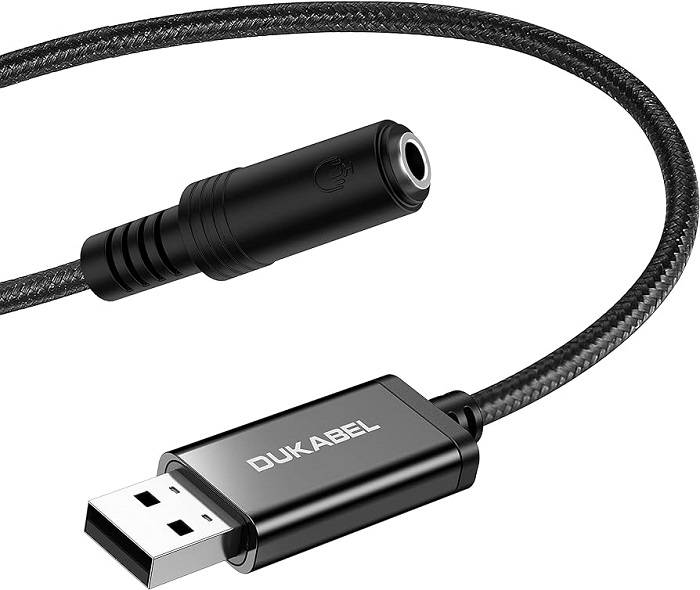
Aux to USB adapters are small, versatile devices that allow you to connect audio equipment with aux ports to devices with USB ports. Whether you’re connecting headphones to a computer, car stereo to a smartphone, or any other combination of devices, these adapters make it possible by converting analog signals to digital signals.
The Advantages of Using Aux to USB Adapters
- Enhanced Compatibility: One of the primary advantages of aux to USB adapters is their ability to enhance compatibility between different types of audio devices. Whether you’re using older equipment with aux ports or newer devices with USB ports, these adapters ensure seamless connectivity.
- Improved Audio Quality: By converting analog signals to digital signals, aux to USB adapters can improve audio quality, reducing noise and interference for a clearer, more immersive listening experience.
- Versatility: Aux to USB adapters are incredibly versatile, allowing you to connect a wide range of devices, including headphones, speakers, car stereos, and more, to devices such as computers, smartphones, tablets, and audio interfaces.
- Convenience: With their compact size and plug-and-play functionality, aux to USB adapters are incredibly convenient to use. Simply plug them in and start enjoying your favorite audio content without the hassle of complicated setup processes.
Common Applications of Aux to USB Adapters
- Connecting Headphones to Computers: Many modern computers, particularly laptops, come equipped with USB ports but lack dedicated headphone jacks. Aux to USB adapters allow you to connect your favorite headphones to these devices, enabling you to enjoy high-quality audio without the need for additional hardware.
- Integrating Car Stereos with Smartphones: If your car stereo features an aux input but lacks USB connectivity, an aux to USB adapter can bridge the gap, allowing you to connect your smartphone and stream music directly from your device.
- Utilizing Audio Interfaces: For musicians and audio professionals, aux to USB adapters can be invaluable tools for connecting instruments, microphones, and other audio equipment to computers and recording devices. This enables seamless recording and playback capabilities, facilitating the creation of high-quality audio content.
- Extending the Lifespan of Legacy Devices: If you have older audio equipment that relies on aux connections, but you want to use it with newer devices that only feature USB ports, an aux to USB adapter can extend the lifespan of your legacy equipment, allowing you to continue using it in conjunction with modern technology.
Choosing the Right Aux to USB Adapter: Factors to Consider

- Compatibility: When selecting an aux to USB adapter, it’s essential to ensure compatibility with your existing devices. Check the specifications of both your audio equipment and the adapter to ensure they are compatible with each other.
- Audio Quality: While most aux to USB adapters offer decent audio quality, some may provide better sound reproduction than others. Look for adapters that utilize high-quality components and advanced signal processing technologies to ensure optimal audio performance.
- Build Quality and Durability: Consider the build quality and durability of the adapter, especially if you plan to use it frequently or in challenging environments such as in a car or on stage during live performances. Look for adapters constructed from robust materials that can withstand regular use without failing prematurely.
- Additional Features: Some aux to USB adapters may offer additional features such as volume controls, playback buttons, or built-in audio processing capabilities. Consider whether these features are important to you and choose an adapter that meets your specific requirements.
Top Aux to USB Adapters on the Market
- Anker USB-C to 3.5mm Audio Adapter: This compact adapter from Anker allows you to connect 3.5mm audio devices to devices with USB-C ports, making it ideal for use with smartphones, tablets, and laptops. With its durable construction and excellent sound quality, it’s a reliable choice for everyday use.
- UGREEN USB Audio Adapter: The UGREEN USB Audio Adapter is a versatile solution that provides both headphone and microphone connectivity via USB. With its plug-and-play design and wide compatibility, it’s perfect for use with computers, gaming consoles, and other USB-enabled devices.
- CableCreation USB to 3.5mm Audio Adapter: CableCreation offers a range of aux to USB adapters designed for various applications, including connecting headphones, speakers, and microphones to computers and other devices. With their high-quality construction and affordable price point, they’re an excellent choice for budget-conscious consumers.
- Focusrite Scarlett Solo (3rd Gen) USB Audio Interface: While technically not just an adapter, the Focusrite Scarlett Solo USB audio interface offers professional-grade audio performance and connectivity for musicians and content creators. With its high-quality preamp and versatile I/O options, it’s perfect for recording vocals, instruments, and podcasts directly to your computer via USB.
Aux to USB adapters offer a simple yet effective solution for connecting audio equipment with aux ports to devices with USB ports. Whether you’re looking to enhance compatibility, improve audio quality, or extend the lifespan of your legacy devices, these adapters provide a versatile and convenient connectivity solution. By understanding their functionality, exploring their applications, and choosing the right adapter for your needs, you can unlock a world of possibilities for your audio devices.
Exploring Advanced Applications and Future Trends in Aux to USB Adapter Technology
While aux to USB adapters already offer significant benefits in terms of compatibility and convenience, there are several advanced applications and emerging trends that are shaping the future of this technology. In this section, we’ll explore some of these advanced applications and discuss how aux to USB adapters are evolving to meet the demands of modern audio connectivity.
Advanced Applications of Aux to USB Adapters
- High-Resolution Audio Support: As audio technology continues to evolve, there is a growing demand for high-resolution audio formats that offer superior sound quality compared to standard MP3 or CD-quality audio. Aux to USB adapters equipped with advanced digital-to-analog converters (DACs) and support for high-resolution audio formats such as FLAC and DSD are becoming increasingly popular among audiophiles and music enthusiasts.
- Multi-Channel Audio Playback: While traditional aux to USB adapters typically support stereo audio playback, there is a growing demand for multi-channel audio support, especially in applications such as gaming and home theater systems. Advanced aux to USB adapters with support for multi-channel audio formats such as Dolby Digital and DTS-HD are enabling immersive audio experiences with surround sound capabilities.
- Wireless Connectivity Integration: In addition to wired connectivity, many aux to USB adapters now offer support for wireless connectivity options such as Bluetooth and Wi-Fi. This allows users to wirelessly stream audio from their devices to compatible audio equipment, eliminating the need for physical cables and offering greater flexibility in audio playback.
- Smart Device Integration: With the rise of smart devices and the Internet of Things (IoT), aux to USB adapters are increasingly being integrated with smart home ecosystems and voice assistants such as Amazon Alexa and Google Assistant. This enables users to control their audio playback using voice commands and seamlessly integrate their audio equipment into their smart home setups.
Future Trends in Aux to USB Adapter Technology

- Miniaturization and Portability: As technology continues to advance, aux to USB adapters are likely to become smaller, more compact, and more portable. Miniaturization efforts will allow manufacturers to create ultra-compact adapters that can be easily carried in a pocket or bag, making them ideal for on-the-go use.
- Enhanced Audio Processing and DSP: Future aux to USB adapters are expected to incorporate advanced audio processing technologies such as digital signal processing (DSP) to further enhance audio quality and customize sound characteristics according to user preferences. Features such as equalization, spatial audio processing, and active noise cancellation may become standard in future adapter models.
- Integration with Augmented Reality (AR) and Virtual Reality (VR) Systems: As AR and VR technologies continue to gain traction, aux to USB adapters may play a crucial role in enabling immersive audio experiences within virtual environments. Future adapters may offer specialized audio processing capabilities optimized for AR and VR applications, providing users with spatially accurate sound reproduction for enhanced immersion.
- Smart Connectivity and IoT Integration: Aux to USB adapters of the future are likely to feature enhanced smart connectivity options and seamless integration with IoT ecosystems. These adapters may incorporate advanced sensor technologies and machine learning algorithms to intelligently adapt audio playback according to user preferences, environmental conditions, and device interactions.
Related Post:
Navigating Air Travel with Your 10000mAh Power Bank
Unleash the Future with Type C Chargers: Powering Up in Style
Revamp Your Audio Experience: The Ultimate iPhone Aux Adapter Guide!
Mastering the Art of Resetting Your Power Bank
The evolution of aux to USB adapters is driven by a combination of technological advancements, changing consumer preferences, and emerging trends in audio connectivity. From advanced audio processing capabilities to seamless integration with smart devices and IoT ecosystems, the future of aux to USB adapter technology holds exciting possibilities for enhancing audio experiences across a wide range of applications. As these adapters continue to evolve, they will play an increasingly important role in shaping the way we connect and interact with audio devices in the digital age.