


Table of Contents
In the digital age, concerns about screen time and its effects on our lives, especially on children’s development, have become increasingly prevalent. As a popular form of media consumption, podcasts have sparked debates regarding their classification within screen time limits. Traditionally, screen time refers to the duration an individual spends in front of screens such as televisions, computers, tablets, or smartphones. However, podcasts, being an audio-only format, raise questions about whether they should be categorized similarly.
Podcasts have surged in popularity due to their diverse content, ease of access, and the freedom they offer listeners to engage in other activities while tuning in. But do these audio experiences, devoid of visual stimulation, still fall under the umbrella of screen time? To answer this, it’s crucial to delve into the nature of screen time, understand podcast consumption habits, and explore the impact of audio content on individuals, especially in relation to screen time guidelines and its effects.
Defining Screen Time Beyond Visual Engagement

The conventional definition: of screen time traditionally referred to the duration an individual spends in front of a screen, encompassing activities such as watching television, using computers, gaming consoles, or mobile devices. However, the landscape of screen time has significantly evolved to accommodate a broader spectrum of media formats and activities.
Initially, concerns surrounding screen time: primarily focused on limiting exposure to television and later extended to computers and video games. However, with the advent of smartphones, tablets, and the integration of screens in almost every facet of modern life, the concept of screen time has become more intricate.
Today, screen time encompasses: not just passive activities like watching movies or TV shows but also interactive engagement through social media, educational apps, video calls, and even productivity tools. This evolution has led to a reevaluation of how we perceive and manage screen time.
Moreover: the quality of screen time has gained importance alongside its quantity. Research now delves into distinguishing between various screen activities—identifying differences between educational screen use, social interaction, entertainment, and mindless scrolling. The impact of content, interactivity, and engagement on cognitive development, mental health, and overall well-being has become a focal point of discussion.
Parents educators: and health professionals navigate this evolving landscape, aiming not only to limit excessive screen exposure but also to encourage balanced and purposeful screen use. Strategies have emerged, emphasizing the importance of setting screen time limits, promoting active engagement rather than passive consumption, and fostering digital literacy to empower individuals to navigate the digital world responsibly.
Analyzing Podcast Consumption Patterns

Age Group Preferences Understanding the preferences of different age groups is vital. For instance, younger demographics (18-34) often show a preference for podcasts that focus on pop culture, technology, gaming, and personal development. Meanwhile, older listeners (35+) might lean towards podcasts covering health, finance, history, and current affairs.
Demographic Factors: Factors like gender, location, education level, and occupation can significantly impact podcast choices. Research indicates that women tend to favor storytelling, true crime, and lifestyle podcasts, while men may lean towards sports, technology, and comedy.
Platform Preferences: The choice of platform also influences listening habits. While major platforms like Spotify, Apple Podcasts, and Google Podcasts remain popular, specific demographics might prefer niche platforms offering specialized content or exclusive shows.
Listening Behavior: Examining listening behavior reveals interesting patterns. Commuters often prefer shorter, digestible episodes, whereas others might binge-listen during leisure time or engage with podcasts that offer in-depth analysis and longer episodes.
Cultural and Regional Variances: Cultural differences and regional interests can significantly impact podcast preferences. For instance, podcast content in different languages or catering to specific cultural nuances might gain traction within certain demographics.
Advertising Impact: Understanding the impact of advertising within podcasts across demographics is crucial for marketers. Younger demographics might be more receptive to influencer-led promotions, while older listeners might respond better to informative, product-centric ads.
Emerging Trends: Keeping an eye on emerging trends like interactive podcasts, live events, and multimedia integration (such as video podcasts or companion apps) can provide insights into evolving listener preferences across demographics.
Impact of Socioeconomic Status: Research suggests that socioeconomic factors can influence podcast consumption. Affluent demographics may engage with premium subscription-based podcasts or exclusive content, while others may prefer free, ad-supported platforms.
Cross-Genre Appeal: Analyzing which podcast genres have cross-generational or cross-demographic appeal can unveil opportunities for content creators and advertisers to reach broader audiences.
Influence of Celebrity and Hosts: The influence of celebrity-hosted or well-known personalities’ podcasts varies across demographics. Some age groups might gravitate towards podcasts hosted by familiar faces or experts in specific fields.
Psychological Impact

Cognitive Functions and Audio Content Consumption: Audio content consumption, such as podcasts, audiobooks, or music, engages cognitive functions differently compared to visual stimuli. For instance, listening to complex narratives or engaging discussions in podcasts might stimulate imagination, critical thinking, and verbal comprehension skills.
Visual Screen Time and Cognitive Functions: Extended exposure to screens, including smartphones, computers, and televisions, might impact cognitive abilities differently. Excessive screen time, especially involving passive activities like binge-watching or mindless scrolling, may lead to attention issues, reduced memory retention, and decreased cognitive flexibility.
Mental Health Implications of Audio vs. Visual Content Consumption: Audio content consumption is often associated with relaxation, stress reduction, and the ability to multitask (e.g., listening while commuting or exercising), potentially positively impacting mental health.
On the other hand, excessive visual screen time has been linked to increased stress, anxiety, disrupted sleep patterns due to blue light exposure, and a higher likelihood of developing depression, especially when associated with social media use.
Differences in Neurological Processing: Neurologically, the brain processes auditory and visual stimuli differently. Audio information relies more on auditory processing centers, engaging areas associated with language comprehension and auditory analysis. Visual stimuli involve different areas responsible for processing and interpreting visual information, spatial understanding, and object recognition.
Attention and Distraction: Comparing attention spans and distraction levels between audio and visual content consumption is crucial. Audio content might demand less focused attention, allowing for multitasking or background listening, while visual content often requires more concentrated attention, potentially leading to cognitive overload or reduced attention spans.
Developmental Impact: Considering the impact on different age groups is essential. For instance, excessive screen time in children has raised concerns about its influence on cognitive development, while audio content could offer more beneficial alternatives in fostering imagination and language skills.
Potential Synergies or Detriments: There might be scenarios where combining audio and visual content enhances cognitive functions synergistically, such as in educational multimedia experiences. Conversely, simultaneous exposure to multiple stimuli could lead to cognitive overload and reduced retention.
Where Do Podcasts Fit In?

When examining recommendations: from experts and organizations concerning screen time for children, it’s crucial to consider various perspectives and evolving research. The American Academy of Pediatrics (AAP) initially suggested limiting screen time for children, but over time, their guidelines have adapted to reflect the changing digital landscape.
AAP recommends: that for children aged 2 to 5 years old, screen time should be limited to one hour per day of high-quality programming. For older children, they suggest creating consistent limits and ensuring screen time doesn’t interfere with sleep, physical activity, or other essential activities. However, AAP also emphasizes the importance of content quality over strict time limits.
Regarding podcasts: experts often treat them differently from traditional screen-based media. Podcasts are generally regarded as an audio-only format, and some experts believe they offer unique benefits compared to visual screen time. Many podcasts focus on educational content, storytelling, or discussions that can enhance a child’s language skills, imagination, and critical thinking.
Podcasts are often considered: a screen-time alternative because they allow children to engage their minds without staring at a screen. They offer opportunities for active listening, sparking creativity, and fostering imagination, which might differentiate them from passive screen activities.
However: despite these potential benefits, moderation and content selection remain essential. Parents and caregivers should choose podcasts that are age-appropriate and align with their child’s interests and learning goals. Additionally, monitoring the duration of podcast listening is necessary to maintain a balanced media diet and ensure children engage in various activities for holistic development.
Recent studies aim: to understand the impact of podcast consumption on children’s cognitive development, attention spans, and overall well-being. Researchers are exploring how podcasts might affect children differently compared to visual media and how they can be integrated effectively into educational settings.
Podcasts as Multitasking Tools
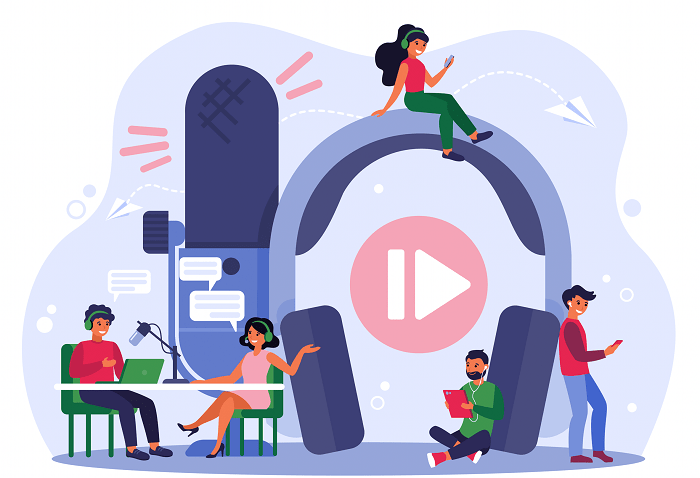
Task Complexity: Tasks that are routine or automatic may allow for the simultaneous consumption of podcasts without significantly affecting performance. However, tasks that demand higher cognitive load or attention to detail might suffer from divided focus.
Content Relevance: The nature of the podcast content can influence focus. Intriguing or engaging content may positively impact motivation and sustained attention. Conversely, content that is distracting or uninteresting might impair concentration.
Individual Differences: Factors such as personality traits, prior experience with multitasking, and personal preferences can influence how individuals manage dual tasks. Some people might handle multitasking better than others.
Retention and Learning: Retaining information from podcasts while multitasking could be less effective compared to focused, dedicated listening. The ability to recall information might diminish when attention is divided.
Task Performance: Assessing the impact of podcast listening on task completion time, accuracy, and quality provides insights into productivity changes when multitasking.
Health Implications

Extended screen exposure: and prolonged listening to audio content can both have significant impacts on an individual’s health, albeit in distinct ways. Understanding the disparities in their consequences is crucial in comprehending how each may affect physical and mental well-being.
Extended screen exposure: particularly with digital devices like computers, smartphones, and tablets, can lead to various health issues. Prolonged exposure to screens is associated with digital eye strain, also known as computer vision syndrome, characterized by symptoms like eye discomfort, dryness, blurred vision, and headaches. Furthermore, excessive screen time, especially before bedtime, can disrupt sleep patterns due to the blue light emitted from screens, affecting the body’s natural circadian rhythm and potentially leading to insomnia or poor sleep quality.
Additionally: extended screen time can contribute to sedentary behavior, reducing physical activity levels, and increasing the risk of obesity, cardiovascular problems, and musculoskeletal issues. Poor posture while using screens for extended periods may lead to neck pain, backaches, and other ergonomic-related discomforts.
On the other hand: prolonged listening to audio content, such as through headphones or earphones, also carries its own set of health concerns. Listening to loud audio for extended periods can cause noise-induced hearing loss or exacerbate existing hearing issues. Continuously using headphones at high volumes can damage the delicate structures in the inner ear, leading to permanent hearing impairment.
Moreover: long-term exposure to loud audio can cause tinnitus, a condition characterized by ringing, buzzing, or hissing noises in the ears even in the absence of external sounds. This persistent auditory sensation can significantly impact one’s quality of life and mental well-being, causing stress, anxiety, and difficulty concentrating.
Parental Control Apps and Podcast Monitoring

Auditory Nature of Podcasts: Unlike screens that are visually captivating, podcasts primarily engage through sound. This presents a challenge in monitoring because children can listen to podcasts without the need for a screen, making it harder for parents to physically observe their content consumption.
Content Monitoring Difficulty: With podcasts covering a wide range of topics and genres, some may contain mature themes, explicit language, or sensitive subject matters. Unlike video content where inappropriate visuals are more immediately noticeable, inappropriate audio content may be harder for parents to detect without actively listening in alongside their children.
Accessibility Across Devices: Podcasts are highly portable and accessible across various devices, from smartphones to smart speakers. Unlike traditional screen time that might be confined to specific gadgets, podcasts can be easily accessed and played in different settings, making it challenging for parents to track and regulate consistently.
Lack of Parental Controls: While many video streaming services and devices offer parental control features that restrict content based on ratings or categories, podcast platforms might lack similar robust parental control mechanisms. This absence of comprehensive control options complicates a parent’s ability to restrict access to age-inappropriate content.
Engagement Without Direct Supervision: Children can listen to podcasts while engaging in other activities like studying, playing, or even sleeping, making direct supervision challenging. This ability to multitask with podcasts means parents may find it harder to gauge the extent of their children’s exposure to various content.
Educational vs. Entertainment Content: Podcasts often blend entertainment and educational content seamlessly. While some podcasts offer enriching educational material, others may prioritize entertainment over factual accuracy. This makes it crucial for parents to discern the quality and appropriateness of the content consumed by their children.
Impact on Attention Span and Behavior: Excessive podcast consumption, especially those with fast-paced or attention-grabbing narratives, might affect a child’s attention span or behavior. This impact may not be immediately noticeable, making it challenging for parents to identify and address any adverse effects.
Educational Podcasts

Analyzing the educational: value of podcasts involves delving into various aspects, including their impact on learning outcomes, cognitive development, and retention compared to other forms of educational content. These audio-based mediums offer unique advantages in delivering information, allowing for multi-sensory engagement, and catering to diverse learning styles.
Podcasts often present: complex topics in an accessible and engaging manner, fostering critical thinking, creativity, and active listening skills. They cover a wide array of subjects, from history and science to language learning and storytelling, providing a versatile educational resource across different age groups and interests.
When considering screen time: limitations, podcasts offer a valuable alternative to visual media. In an age where concerns about excessive screen exposure prevail, especially among children and adolescents, podcasts stand out as a screen-free option for learning. They enable individuals to consume educational content while reducing eye strain and potential negative effects associated with prolonged screen time.
Moreover: podcasts are versatile in their accessibility, allowing listeners to engage in learning while performing other activities, such as commuting, exercising, or doing household chores. This flexibility grants individuals the freedom to incorporate learning into their daily routines without necessitating dedicated screen time.
However: the consideration of podcasts in screen time limitations may vary based on how screen time is defined and regulated. While podcasts do not involve visual screen interaction, they still utilize electronic devices for playback, which might be subject to restrictions in some contexts.
Research: into the relationship between podcasts and screen time limitations is ongoing, exploring whether authorities and educational institutions distinguish between screen-based activities and audio-based content consumption. Understanding how podcasts fit within screen time guidelines is essential for recognizing their unique educational value and appropriately integrating them into educational settings and home environments.
Evolution of Screen Time Guidelines in the Digital Era

Reviewing how screen time: guidelines have adapted to encompass new media formats involves a comprehensive analysis of how our interactions with screens have evolved. Initially, screen time guidelines predominantly focused on limiting the duration of exposure to traditional screens like television and computers. However, with the rapid advancements in technology and the proliferation of smartphones, tablets, gaming consoles, and various digital devices, the landscape of screen time has expanded significantly.
This evolution has prompted: a reevaluation of screen time recommendations by health experts, educators, and researchers to account for diverse media formats and their potential impacts on various age groups. Understanding the nuances of engagement with these new media formats is essential for formulating updated guidelines that address not just the quantity but also the quality of screen time.
For instance: the content consumed and the interactive nature of certain digital platforms play a pivotal role in shaping how screen time influences cognitive development, social behaviors, mental health, and overall well-being. Thus, future revisions of screen time guidelines may need to consider not only the duration of exposure but also the content, context, and purpose of screen use.
Moreover: the COVID-19 pandemic further accentuated the significance of digital devices as tools for education, work, social connection, and entertainment. As a result, reassessing screen time recommendations to accommodate these societal shifts and their potential long-term effects on health and behavior becomes paramount.
Experiences with Podcasts and Screen Time

Individuals often highlight: the convenience of podcasts in fitting seamlessly into their daily routines. Whether during commutes, workouts, or household chores, podcasts offer a hands-free, eyes-free form of entertainment and learning, reducing reliance on screens while still engaging and informing listeners.
Listeners also express: how podcasts serve as a gateway to diverse perspectives and topics. Many enjoy the depth and variety of content available, allowing them to explore interests and gain knowledge in ways that might not be as accessible through traditional screen-based media. This exposure to different ideas, cultures, and stories enhances their understanding and broadens their horizons.
Additionally: some share how podcasts have positively impacted their mental health by providing a break from visual stimulation. The audio-centric nature of podcasts allows individuals to rest their eyes and relax while still engaging their minds, offering a welcomed respite from the constant bombardment of screens in today’s digital age.
Furthermore: anecdotes often highlight the intimate and personal connection fostered through podcasts. Listeners form attachments to their favorite hosts or shows, feeling a sense of companionship or camaraderie, especially in cases where listeners might feel isolated or alone.
Related Posts:
- Unveiling the Pros and Cons of Podcasting: A Comprehensive Guide
- Exploring the Diverse Landscape of Podcasts: A Comprehensive Guide to Different Types of Podcasts
- Exploring the Variances: Understanding the Fundamental Differences Between Podcast and Broadcast
FAQs :
Do podcasts count as screen time for children?
Explaining the varying perspectives on categorizing podcasts within screen time limits for kids.
Are there any benefits to considering podcasts separate from screen time?
Discussing potential advantages, such as improved auditory skills and reduced visual strain.
Can excessive podcast consumption have adverse effects similar to excessive screen time?
Highlighting potential negative impacts of prolonged audio consumption and drawing comparisons to excessive screen exposure.
The debate over whether podcasts should be included in screen time limits remains multifaceted. While podcasts diverge from conventional screen time due to their audio-only format, considerations regarding their impact on mental health, productivity, and developmental implications warrant careful assessment. As technology continues to evolve, redefining screen time guidelines to encompass various media forms, including podcasts, becomes increasingly crucial to better understand their role in our daily lives.