

Table of Contents
Audio enhancement is a crucial aspect of producing high-quality content, whether it’s for podcasts, music production, live streaming, or broadcasting. The Cloudlifter, known for its ability to boost low-output microphones, has been a go-to solution for many professionals. However, its cost might not fit everyone’s budget. Fear not! There’s a plethora of alternatives available in the market that offer similar or even better performance at a fraction of the price.
In this comprehensive guide, we’ll delve into a variety of Cloudlifter alternatives, exploring their features, functionalities, and performance. Whether you’re a content creator, musician, podcaster, or someone looking to enhance their audio setup, this article will help you discover budget-friendly alternatives that deliver exceptional results.
Understanding the Need for a Cloudlifter Alternative
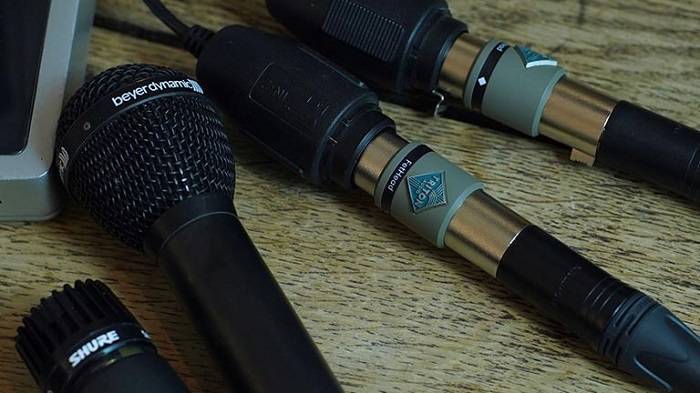
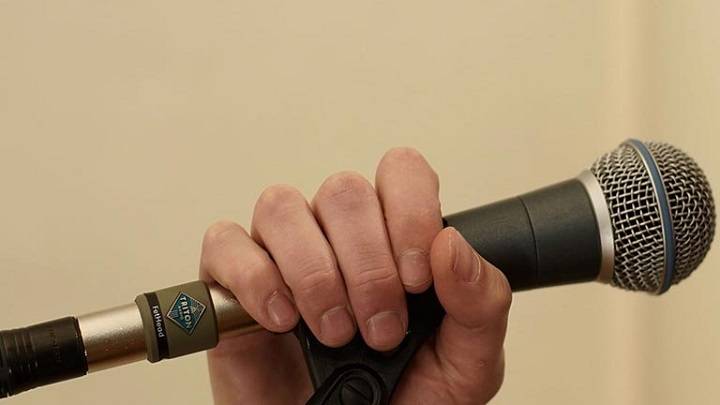
Exploring the role of microphone preamps in enhancing audio quality involves delving into the crucial components of the audio signal chain. A microphone preamp, short for preamplifier, plays a pivotal role in boosting the low-level signal produced by a microphone before it reaches the recording or mixing console. This initial amplification is crucial for maintaining a high signal-to-noise ratio and ensuring that the nuances of the audio source are faithfully captured.
One key aspect of microphone preamps is their impact on the overall sound coloration. Different preamps can introduce subtle tonal characteristics, and audio engineers often select preamps based on the desired coloration for a particular recording. Some preamps are known for their transparent and clean amplification, while others may add warmth, color, or character to the sound.
In recent years, the market has seen the rise of devices like Cloudlifter, which are not traditional preamps but rather gain boosters designed to enhance the performance of dynamic and ribbon microphones. Cloudlifter and similar alternatives are particularly popular for their ability to provide clean gain without introducing coloration, making them valuable tools in various recording scenarios.
When considering alternatives to Cloudlifter, several factors come into play. First and foremost is compatibility. Musicians and recording engineers must ensure that the alternative device is compatible with their specific microphone models. Additionally, they need to consider the gain requirements of their setup and whether the alternative provides sufficient gain while maintaining a low noise floor.
Budget considerations also influence the choice of a Cloudlifter alternative. While Cloudlifter itself is known for being a cost-effective solution, there are other alternatives available at various price points. Musicians and studios must balance their need for enhanced gain with the available budget, considering whether the additional features offered by higher-priced alternatives are necessary for their specific applications.
Furthermore, the form factor and portability of the alternative device can be crucial, especially for those working in mobile recording or live sound environments. Compact, rugged designs with minimal power requirements may be preferable in these situations.
Lastly, user reviews and testimonials can provide valuable insights into the real-world performance of Cloudlifter alternatives. Musicians and audio professionals often share their experiences with these devices, shedding light on issues such as build quality, reliability, and any unexpected nuances in sound reproduction.
In conclusion, the exploration of microphone preamps and gain boosters like Cloudlifter involves a careful consideration of factors such as sound coloration, compatibility, budget, portability, and real-world user experiences. This comprehensive approach ensures that the chosen equipment aligns seamlessly with the specific needs and preferences of the audio engineer or musician, ultimately contributing to an enhanced and faithful audio recording experience.
Top Features to Look for in a Cloudlifter Alternative
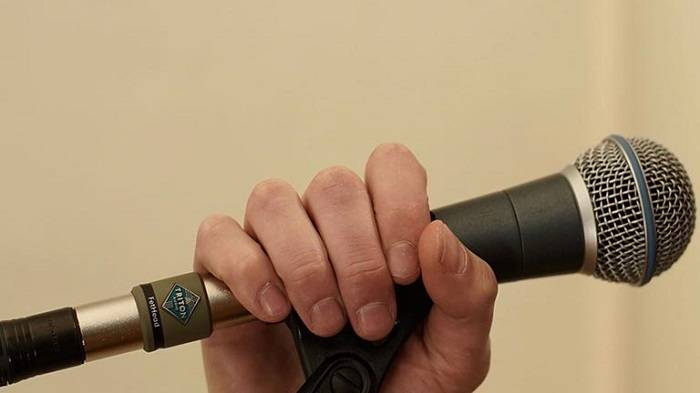
Gain control and amplification capabilities are fundamental considerations when evaluating microphone preamps and gain boosters. Gain control allows users to adjust the level of amplification applied to the incoming signal, accommodating various recording scenarios and ensuring optimal signal-to-noise ratios. The ability to finely tune gain settings is particularly crucial when working with microphones of different sensitivities or in environments with varying sound pressure levels. A versatile preamp should offer a wide range of gain adjustments to cater to the diverse needs of audio professionals.
Compatibility with different microphones is a key factor that influences the choice of a Cloudlifter alternative. Microphones vary not only in their transducer types (dynamic, condenser, ribbon) but also in their sensitivity and impedance characteristics. A reliable preamp or gain booster should be compatible with a broad spectrum of microphones, allowing users to seamlessly integrate different models into their setups without sacrificing signal quality or introducing unwanted noise.
Durability and build quality are paramount for equipment that sees frequent use in recording studios, live performances, or on-location recording. A well-built preamp or gain booster should withstand the rigors of professional use, featuring robust construction and quality components that ensure longevity. Sturdy chassis, reliable connectors, and attention to detail in manufacturing contribute to the overall durability and reliability of the device.
Additional features like phantom power and impedance matching enhance the versatility of a microphone preamp or gain booster. Phantom power is essential for supporting condenser microphones that require an external power source for their operation. A preamp with phantom power capability adds flexibility to the user’s toolkit, enabling the use of a broader range of microphones.
Impedance matching is another critical feature that ensures optimal signal transfer between the microphone and the recording device. Some microphones, especially ribbon mics, may benefit from impedance matching to prevent signal degradation and ensure the preservation of the mic’s unique sonic characteristics. A preamp with selectable impedance matching options provides users with greater control over the tonal qualities of their recordings.
Best Cloudlifter Alternatives in the Market

A comprehensive assessment of microphone preamps and gain boosters as Cloudlifter alternatives involves conducting a detailed review, considering both the advantages (pros) and limitations (cons) of each option. This allows users to make informed decisions based on their specific requirements.
Detailed Review, Pros, and Cons: In-depth reviews of Cloudlifter alternatives should cover various aspects, including sound quality, build construction, ease of use, and overall performance. Pros might include features like transparent gain, low noise levels, and versatile controls. Conversely, cons may involve limitations in certain recording scenarios, potential coloration introduced by the device, or any reported issues with durability. A nuanced understanding of the strengths and weaknesses of each alternative aids users in selecting equipment that aligns with their production goals.
User Experiences and Compatibility: Real-world user experiences play a crucial role in assessing the practicality of Cloudlifter alternatives. Online forums, customer reviews, and testimonials provide insights into how well these devices perform in diverse setups and applications. Users often share their compatibility experiences with specific microphones, shedding light on whether the alternatives seamlessly integrate with a wide range of recording equipment. Understanding the challenges and successes reported by fellow audio professionals contributes to a more informed decision-making process.
Overview of Features and Performance: An in-depth overview of the features and performance of each alternative is essential for evaluating its suitability for different applications. This includes examining the available gain range, impedance matching options, phantom power support, and any unique features that set the alternative apart. A device’s ability to meet specific recording needs, such as capturing delicate nuances in vocals or handling high-SPL (sound pressure level) instruments, is a critical factor in determining its overall performance.
Pricing Comparison and Value for Money: Comparing the pricing of Cloudlifter alternatives against their features and performance is crucial for determining their value for money. While budget considerations are significant, users should also weigh the cost against the quality and versatility offered by each alternative. A detailed analysis of the pricing landscape ensures that users invest in equipment that meets their requirements without overpaying for unnecessary features.
Budget-Friendly Alternatives for Novice Content Creators
For beginners entering the realm of audio production, it’s crucial to explore entry-level alternatives to Cloudlifter that offer a balance between cost-effectiveness and quality. Starting out in podcasting or content creation often requires affordable solutions without compromising on essential features.
Entry-Level Alternatives Suitable for Beginners: Several entry-level microphone preamps and gain boosters cater to beginners, providing a straightforward and user-friendly experience. Devices such as the Behringer Micropower PS400 or the ART TubeMP Studio V3 are cost-effective options that offer basic gain control and phantom power support. These alternatives are designed to be intuitive for users who are just starting and may not require the advanced features demanded by more experienced audio professionals.
Balancing Cost-Effectiveness and Quality for Starters: Finding the right balance between cost-effectiveness and quality is crucial for beginners who are mindful of their budget constraints. While entry-level alternatives may not have all the bells and whistles of higher-end models, they often provide sufficient functionality for basic recording needs. It’s essential to prioritize features that align with the intended use, such as transparent gain, simplicity of operation, and compatibility with popular microphones.
Recommendations for Budding Podcasters and Content Creators: For budding podcasters and content creators, the focus should be on reliable performance and ease of use. Entry-level alternatives like the Focusrite Scarlett Solo or the PreSonus AudioBox USB offer a combination of affordability and quality, making them ideal for individuals entering the podcasting space. These devices typically come with a single microphone input, making them suitable for solo content creators or those just getting started with basic recording setups.
Additionally, USB-powered options, like the Focusrite Scarlett Solo USB Audio Interface, eliminate the need for external power supplies, adding convenience for users recording in diverse environments. These recommendations take into account the specific needs of podcasters and content creators, emphasizing simplicity and effectiveness for those entering the world of audio production.
As beginners gain experience and their recording needs evolve, they can consider upgrading to more feature-rich alternatives. However, these entry-level options provide a solid foundation for honing recording skills and producing quality content without breaking the bank.
Professional-Grade Alternatives for Studio Enthusiasts
For those seeking studio-quality sound and advanced features, high-end alternatives to Cloudlifter provide a comprehensive solution, especially in the context of music production and professional setups. These premium options offer a range of sophisticated features designed to meet the demands of professional recording environments.
High-End Alternatives for Studio-Quality Sound: Musicians, producers, and recording engineers often turn to high-end alternatives when aiming for uncompromising studio-quality sound. Devices such as the Universal Audio Solo/610 or the Rupert Neve Designs Portico 511 boast top-notch components, meticulous craftsmanship, and advanced circuitry to ensure pristine audio reproduction. These alternatives are engineered to deliver the highest level of sonic fidelity, making them suitable for critical recording applications where every nuance matters.
In-Depth Analysis of Advanced Features and Capabilities: A detailed analysis of the advanced features and capabilities of high-end alternatives is essential for professionals who demand the utmost in precision and control. These devices often include advanced gain control options, ultra-low noise floors, and selectable impedance settings. Some models may also incorporate tube or transformer-based designs to impart a distinct analog warmth to the audio signal. Additionally, advanced preamps may offer multiple channels, making them suitable for multi-microphone setups common in studio recording.
Other features to consider in high-end alternatives include digital connectivity options, high-resolution converters, and advanced metering capabilities. These elements contribute to a comprehensive and flexible recording system that meets the needs of professional musicians and audio engineers striving for excellence in their productions.
Suitability for Music Production and Professional Setups: High-end alternatives excel in music production environments and professional setups where uncompromised audio quality is paramount. These preamps are often preferred in recording studios, broadcast facilities, and high-end home studios, providing the necessary tools for capturing the nuances of various instruments and vocal performances. The suitability of these alternatives extends to scenarios where critical listening and precise control over the recording process are essential for achieving the desired sonic results.
Musicians engaged in genres that demand a high level of detail, such as classical, jazz, or acoustic recordings, may particularly benefit from the transparent and nuanced amplification provided by these high-end preamps. Furthermore, in professional setups where multiple microphones are employed simultaneously, high-end alternatives can provide the necessary channel count and features for complex recording sessions.
How Do These Alternatives Stack Up Against the Cloudlifter?
Comparative Analysis of Performance and Specifications:
To make an informed decision when choosing high-end alternatives to Cloudlifter, a thorough comparative analysis of performance and specifications is essential. Consider factors such as frequency response, signal-to-noise ratio, total harmonic distortion, and dynamic range. High-end preamps often excel in providing a wide frequency response, low distortion, and an extended dynamic range, ensuring accurate and detailed reproduction of the audio signal.
Comparing specifications side by side can reveal the subtle differences between alternatives, helping users identify which preamp aligns better with their specific recording needs. Look for advanced features like selectable impedance, variable high-pass filters, and phase inversion, as these can significantly contribute to the versatility and control offered by the preamp.
Additionally, pay attention to the type of amplification technology used, whether it’s solid-state, tube-based, or a hybrid design. Each technology imparts a unique sonic character to the signal, influencing the overall coloration and warmth of the recorded audio.
User Reviews and Real-World Testing Results:
User reviews and real-world testing results provide invaluable insights into the practical performance and reliability of high-end preamps. Musicians, audio engineers, and recording professionals often share their experiences online, offering a wealth of information on how these alternatives perform in various recording scenarios.
Real-world testing results, especially those conducted by reputable audio publications or independent reviewers, can provide objective assessments of a preamp’s performance. These tests may include measurements of frequency response, noise levels, and distortion, providing a quantitative basis for evaluating the preamp’s capabilities.
Pay attention to user reviews that highlight specific use cases relevant to your recording needs. Whether it’s capturing the subtleties of a classical piano recording or handling the transients of a dynamic drum kit, user testimonials can offer practical insights into how well a particular preamp performs in real-world applications.
Consideration of Long-Term Reliability:
In addition to performance metrics and user feedback, consider the long-term reliability of high-end alternatives. Factors such as build quality, durability of components, and manufacturer reputation contribute to the overall reliability of the preamp. High-end preamps are often viewed as long-term investments, so understanding the build quality and potential for future support and updates is crucial.
By combining a comparative analysis of specifications, user reviews, real-world testing results, and considerations of long-term reliability, users can confidently select a high-end alternative to Cloudlifter that not only meets their immediate recording needs but also provides a reliable and enduring solution for their professional audio production setups.
Matching Alternatives with Different Microphones
Matching Specific Microphones with Suitable Alternatives:
Selecting the right microphone preamp involves considering the compatibility and synergy between the preamp and the specific microphones being used. Different microphones have varying impedance levels, sensitivity, and tonal characteristics, and pairing them with a suitable preamp is crucial for achieving optimal performance.
For dynamic microphones, which typically have lower sensitivity, a preamp with higher gain capabilities might be preferred to ensure an adequate signal level. On the other hand, ribbon microphones, which can be more delicate, might benefit from a preamp with selectable impedance matching to preserve their unique sonic qualities. Condenser microphones, often used in studio settings, may require phantom power, and the preamp should provide clean and stable power delivery.
Consider the frequency response and tonal characteristics of both the microphone and the preamp. Some microphones are designed to be transparent and accurate, while others may introduce coloration or warmth. Pairing a microphone with a preamp that complements or enhances its inherent qualities can result in a more pleasing and nuanced sound.
Ensuring Optimal Performance and Compatibility:
Optimal performance relies on the seamless compatibility of the microphone and the preamp. Beyond technical specifications, consider the intended application and musical genre. For instance, in high-energy rock or metal music production, a preamp that can handle high sound pressure levels without distortion may be preferable. In contrast, for detailed acoustic recordings, a preamp with low self-noise and high resolution may be more appropriate.
When matching microphones with preamps, it’s also crucial to consider the connectivity options. Ensure that the preamp has the necessary inputs and outputs to accommodate the chosen microphones and other gear in the recording chain. Additionally, check if the preamp offers features such as phase inversion or high-pass filters, which can be valuable tools in certain recording scenarios.
Experimentation and testing are key to finding the optimal pairing. Many audio professionals conduct A/B testing with different preamps to discern subtle sonic differences and identify the combination that best suits the desired sound.
The process of selecting a microphone preamp extends beyond technical specifications. Matching specific microphones with suitable alternatives requires a nuanced understanding of the sonic characteristics and compatibility factors. By carefully considering the needs of the recording setup, the inherent qualities of the microphones, and the features of the preamp, users can ensure optimal performance and create recordings that faithfully capture the unique qualities of their audio sources.
Common Misconceptions About Cloudlifters and Their Alternatives
Debunking Myths Surrounding Audio Enhancement Devices:
As the audio industry evolves, several myths and misconceptions have emerged surrounding audio enhancement devices, including microphone preamps and gain boosters. It’s important to debunk these myths to provide a clearer understanding of the role these devices play in audio production.
Myth: Any Preamp Will Improve Audio Quality Significantly:
-
- Reality: While a quality preamp can indeed enhance audio quality, the extent of improvement depends on various factors, including the microphone used, the recording environment, and the skill of the operator. Not all preamps will yield a significant improvement in every scenario.
Myth: More Expensive Always Means Better:
-
- Reality: The price tag alone doesn’t guarantee superior performance. High-end preamps offer advanced features and craftsmanship, but the best choice depends on the specific needs of the user and the context of their audio production. There are cost-effective alternatives that can provide excellent results in certain situations.
Myth: Preamps Can Fix Poor-Quality Recordings Completely:
-
- Reality: While preamps can enhance the signal from a microphone, they can’t magically fix a poorly recorded source. Garbage in, garbage out still applies. A preamp won’t compensate for inadequate room acoustics, improper mic placement, or a low-quality original recording.
Clarifying Misconceptions About Alternative Products:
In exploring alternative products to well-known devices like Cloudlifter, several misconceptions might arise. Addressing these helps users make more informed decisions.
Misconception: Gain Boosters are Only for Low-Output Microphones:
-
- Clarification: While gain boosters like Cloudlifter are commonly used with low-output microphones, they can benefit various setups. Even high-output microphones can benefit from the additional clean gain, especially when capturing quiet or nuanced performances.
Misconception: Alternatives Lack Quality Compared to Established Brands:
-
- Clarification: The market for preamps and gain boosters has expanded, and many lesser-known brands offer high-quality alternatives. Thorough research, including user reviews and expert opinions, can reveal hidden gems that provide excellent performance and reliability.
Misconception: All Alternatives are Clones with No Unique Features:
-
- Clarification: While some alternatives aim to replicate popular models, many offer unique features and sonic characteristics. Each alternative product has its strengths and weaknesses, and users should explore various options to find the one that best suits their specific needs and preferences.
By debunking myths and clarifying misconceptions, users can navigate the landscape of audio enhancement devices with a more accurate understanding. It’s crucial to approach the selection process with a discerning eye, considering individual requirements, testing different options, and prioritizing real-world performance over common misconceptions.
Tips for Maximizing the Performance of Your Chosen Alternative
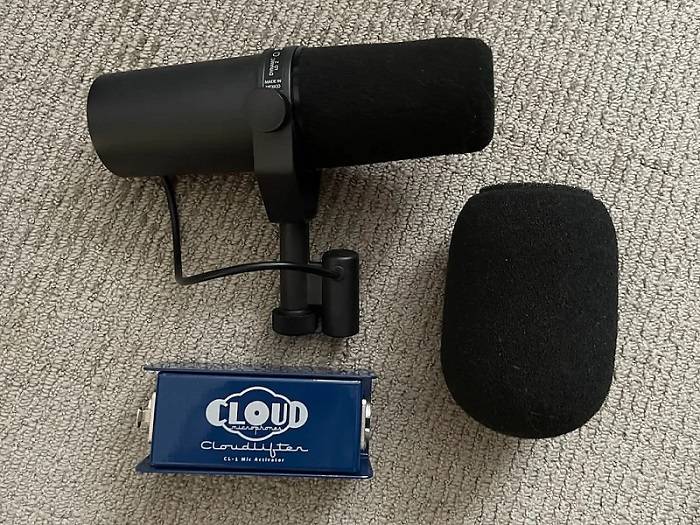
Optimizing Settings and Configurations for Best Results:
Achieving the best results with a microphone preamp or gain booster involves not only selecting the right device but also optimizing its settings and configurations. Consider the following tips for maximizing performance:
Gain Staging: Proper gain staging ensures that the signal passes through each component in the signal chain at an optimal level, minimizing noise and distortion. Adjust the gain on the preamp to achieve a healthy signal level without overloading subsequent devices in the chain.
Impedance Matching: Experiment with the impedance settings, especially when using microphones that benefit from impedance matching. This adjustment can influence the tonal characteristics of the microphone and contribute to a more balanced and nuanced sound.
Phantom Power Management: If using condenser microphones that require phantom power, ensure that the preamp provides stable and clean phantom power. Some microphones are sensitive to variations in phantom power quality, and a well-regulated supply can contribute to improved performance.
Experimentation with Coloration and Character: Many high-end preamps offer coloration options or unique sonic characteristics. Experiment with these settings to find the tonal qualities that best suit the recording context. Keep in mind that subtle adjustments can make a significant impact on the overall sound.
Signal Routing and Processing: Consider the signal routing and processing options available on the preamp. Some devices offer features like high-pass filters, phase inversion, and EQ adjustments. Utilize these tools to shape the sound according to the specific requirements of the recording.
Maintenance Tips for Prolonged Device Lifespan:
Ensuring the longevity of your microphone preamp or gain booster involves proper care and maintenance. Consider the following tips to protect your investment:
Dust and Debris Control: Keep the device clean and free from dust and debris. Use a can of compressed air to blow away dust from vents and control knobs. Regular cleaning helps prevent dust buildup that could potentially affect internal components.
Proper Power Supply: Use the correct power supply recommended by the manufacturer. Using an incompatible power source can damage the device. Ensure that power cables are in good condition and replace any frayed or damaged cables promptly.
Temperature and Humidity Control: Store the device in a controlled environment with stable temperature and humidity levels. Extreme conditions can adversely affect electronic components over time. Avoid placing the device near heat sources or in direct sunlight.
Transportation Precautions: If you need to transport the device, use a padded case or packaging to protect it from physical shocks. Secure cables and accessories to prevent them from causing damage during transit.
Regular Inspection: Periodically inspect the device for any signs of wear, loose connections, or abnormal behavior. Promptly address any issues to prevent them from escalating into more significant problems.
By optimizing settings and configurations and following maintenance tips, users can not only achieve the best performance from their microphone preamps but also ensure their devices have a prolonged and trouble-free lifespan. Taking a proactive approach to care and maintenance contributes to a reliable and consistent audio production workflow.
Community Recommendations and User Feedback

Insights from Community Forums and User Discussions:
Exploring community forums and engaging in user discussions can provide valuable insights into the practical usage and performance of microphone preamps and gain boosters. Community forums, such as those found on audio production websites, social media platforms, and dedicated forums for specific gear brands, serve as a dynamic space where users share their experiences, ask questions, and offer advice. Gathering insights from diverse users can significantly contribute to making informed decisions.
Real-World Experiences: Users in community forums often share real-world experiences with specific microphone preamps. These anecdotes can offer a glimpse into how well a particular device performs in different recording scenarios, genres, and with various types of microphones. Understanding how others have successfully overcome challenges or utilized specific features can be particularly insightful.
Compatibility Issues and Solutions: Users frequently discuss compatibility issues they’ve encountered with microphones, recording interfaces, or other gear. Discovering how others have addressed and resolved compatibility challenges with alternative products provides practical knowledge. It can also highlight any limitations or considerations that might not be immediately evident from product specifications.
Comparative Analyses: Community forums are rich sources of comparative analyses, where users discuss and compare different microphone preamps. These discussions often involve the pros and cons of specific models, helping potential buyers weigh the trade-offs and find the best fit for their needs. Users might share their preferences based on music genres, recording environments, or specific applications.
Gathering Opinions and Experiences from Diverse Users:
Diverse perspectives enrich the understanding of microphone preamps and gain boosters, as different users bring unique preferences, workflows, and requirements to the conversation. Here’s how to effectively gather opinions and experiences from a diverse user base:
Pose Specific Questions: When engaging in discussions, pose specific questions about the aspects that matter most to you. Whether it’s compatibility with certain microphones, performance in specific recording scenarios, or durability over time, targeted questions can yield focused and relevant responses.
Explore Different Genres and Applications: Seek out opinions from users engaged in various music genres and audio production applications. A preamp that excels in one context may have unique characteristics that make it less suitable for other purposes. Understanding how a device performs across diverse applications provides a more holistic view.
Consider the Skill Level of Users: Recognize that opinions may vary based on the skill level and experience of users. Novice users might focus on ease of use and straightforward features, while seasoned professionals may provide insights into advanced functionalities and nuanced sonic characteristics.
Aggregate Information from Multiple Sources: Avoid relying solely on a single user’s opinion. Aggregate information from multiple sources to build a comprehensive understanding. This can involve reading reviews, participating in multiple forums, and considering feedback from various social media platforms.
By actively participating in community forums and user discussions, you can tap into a wealth of collective knowledge. Insights from fellow users who have hands-on experience with microphone preamps and gain boosters can offer practical tips, reveal nuances, and guide you towards making well-informed decisions that align with your specific audio production goals.
Related Posts:
- Unveiling the Truth: How Much Do Podcast Guests Get Paid
- Mastering the Art of Podcast Mic Setup: A Comprehensive Guide for Stellar Audio Quality
- Unlocking the World of Ad-Free Podcasts: A Deep Dive into Seamless Listening
FAQs:
What is a Cloudlifter, and why would I need an alternative?
A Cloudlifter is a popular microphone preamp used to boost the signal strength of low-output dynamic or ribbon microphones. However, alternatives offer similar functionality at varying price points, catering to different user needs.
Are these alternatives easy to set up for beginners?
Yes, many alternatives come with user-friendly interfaces and straightforward setup processes, making them suitable for novice users.
Will using an alternative compromise audio quality?
Not necessarily. Many alternatives provide excellent audio amplification and enhancement without compromising quality, often rivaling or surpassing the Cloudlifter.
How do I know which alternative is best for my specific microphone?
Researching compatibility and seeking advice from professionals or online communities can help you match your microphone with the most suitable alternative.
Do these alternatives offer warranties or customer support?
Most reputable alternatives come with warranties and responsive customer support to address any issues or queries.
Choosing the right microphone preamp, such as a Cloudlifter alternative, can significantly impact your audio production setup. With a wide array of options available, each catering to different user requirements and budget constraints, finding the perfect alternative has never been easier. Whether you’re a beginner or a seasoned professional, the right alternative exists to elevate your audio quality without breaking the bank. Explore, compare, and select the ideal Cloudlifter alternative that suits your needs and witness an enhancement in your audio production like never before.