


Table of Contents
In the world of streaming, captivating visuals are only half the equation. Quality audio plays a crucial role in engaging your audience and immersing them in your content. Whether you’re a gamer, podcaster, musician, or content creator, setting up the perfect microphone is essential for delivering clear, crisp sound that elevates your streaming experience to new heights.
Understanding Microphone Types: Choosing the Right Option for Your Needs
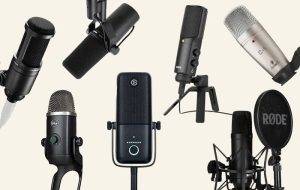
In the realm of streaming and content creation, selecting the right microphone is akin to choosing the perfect lens for a camera—it’s essential for capturing and conveying your message with clarity and precision. However, with a plethora of microphone types available on the market, ranging from dynamic to condenser to USB options, understanding the nuances of each is crucial in making an informed decision. In this section, we’ll delve into the various microphone types, their unique characteristics, and how to determine which one suits you’re streaming needs best.
Dynamic Microphones:
Dynamic microphones are known for their durability, versatility, and ability to handle high sound pressure levels. They work on the principle of electromagnetic induction, where sound waves cause a diaphragm to vibrate within a magnetic field, generating an electrical signal. Dynamic mics are ideal for streaming environments with high ambient noise levels or when multiple sound sources need to be isolated. They’re commonly used in live performances, podcasting, and broadcasting due to their rugged construction and excellent off-axis rejection.
Condenser Microphones:
Condenser microphones are prized for their sensitivity, accuracy, and extended frequency response. They operate on the principle of capacitance, where sound waves cause a diaphragm to vibrate, varying the distance between it and a charged backplate, resulting in changes in capacitance and voltage. Condenser mics are well-suited for capturing subtle nuances and details in vocals and instruments, making them popular choices for studio recording, voiceovers, and acoustic performances. However, they require phantom power and are more sensitive to handling noise and room acoustics.
USB Microphones:
USB microphones are designed for plug-and-play convenience, allowing direct connection to computers and other digital devices via USB ports. They typically feature built-in analog-to-digital converters and preamplifiers, eliminating the need for external audio interfaces or mixers. USB mics offer simplicity and ease of use, making them ideal for beginner streamers, podcasters, and content creators who prioritize convenience over advanced features. However, they may sacrifice some audio quality and flexibility compared to XLR microphones.
Choosing the Right Microphone for Your Needs:
When selecting a microphone for streaming, consider the following factors:
Audio Quality: Determine the level of audio fidelity required for your content. If you prioritize clarity and detail, a condenser microphone may be the best choice. If durability and reliability are paramount, a dynamic microphone may be more suitable.
Environment: Assess the acoustic characteristics of your streaming environment. If you’re recording in a noisy or untreated space, a dynamic microphone with excellent off-axis rejection can help minimize background noise. If you have control over ambient sound and seek maximum detail and clarity, a condenser microphone may be preferable.
Budget: Consider your budget constraints and the value proposition offered by different microphone options. While condenser microphones tend to be more expensive, there are budget-friendly options available that offer good performance for streaming purposes. USB microphones offer affordability and simplicity but may have limitations in terms of audio quality and flexibility.
Application: Determine how you plan to use the microphone. If you’re primarily streaming gameplay or conducting interviews, a dynamic microphone may be sufficient. If you’re focusing on music production, voiceovers, or ASMR content, a condenser microphone may be better suited to capture the nuances of your performance.
Selecting the Ideal Microphone: Factors to Consider Before Making a Purchase
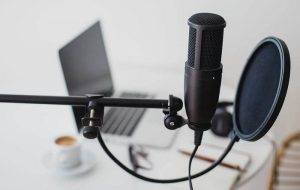
Evaluating key factors such as audio quality, durability, connectivity options, and budget when selecting a microphone for streaming.
Researching popular microphone models and brands to find the best fit for your streaming setup.
Considering additional accessories such as microphone stands, shock mounts, and pop filters to enhance your streaming microphone setup.
Setting up Your Microphone: Tips and Techniques for Optimal Performance
Positioning your microphone for optimal sound quality and minimizing background noise and interference.
Connecting your microphone to your streaming setup using the appropriate cables and adapters.
Configuring microphone settings in your streaming software or hardware interface to achieve professional-quality sound.
Fine-Tuning Your Audio Settings: Maximizing Performance and Quality
Adjusting microphone gain, volume levels, and equalization settings to achieve balanced audio output.
Implementing noise suppression, compression, and other audio processing techniques to enhance clarity and consistency.
Testing and refining your audio settings through trial and error to achieve the perfect balance between voice clarity and background noise reduction.
Troubleshooting Common Issues: Addressing Problems and Improving Performance
Identifying and troubleshooting common microphone issues such as background noise, clipping, and audio distortion.
Implementing practical solutions to resolve technical challenges and improve overall microphone performance.
Seeking assistance from online resources, forums, and technical support channels to address more complex microphone problems.
Enhancing Your Streaming Setup: Integrating Microphones with Other Audio Equipment
Exploring advanced audio setups such as multi-microphone configurations, audio interfaces, and mixer boards.
Integrating microphones with other audio equipment such as headphones, speakers, and soundproofing materials to create a professional-grade streaming studio.
Experimenting with different audio setups and configurations to find the optimal solution for your specific streaming needs and preferences.
Maintaining Your Microphone: Best Practices for Long-Term Performance and Durability
Implementing proper maintenance and care practices to prolong the lifespan of your microphone.
Cleaning your microphone regularly to remove dust, debris, and buildup that can affect performance.
Storing your microphone in a safe and secure location when not in use to prevent damage and ensure optimal performance over time.
Investing in Professional Development: Resources and Training for Audio Mastery
Seeking out online tutorials, courses, and guides to improve your understanding of audio production techniques and best practices.
Participating in community forums, workshops, and networking events to connect with fellow streamers and audio professionals.
Investing in professional development opportunities such as certifications, workshops, and mentorship programs to enhance your skills and expertise in audio engineering and streaming technology.
Related Post:
Embracing the Elements: Weatherproof Upgrades for Michigan Homes
Unraveling the Puzzle: Understanding the Root Causes of Misaligned Jaws
Advocating for Fair Settlements: Strategies for Success
A high-quality microphone is the cornerstone of a successful streaming setup, enhancing your content with clear, crisp sound that captivates and engages your audience. By following the tips and techniques outlined in this guide, you can set up the perfect microphone for your streaming endeavors, achieving professional-grade audio that elevates your content to new heights. Whether you’re a seasoned streamer or just starting out, investing in a quality microphone and mastering the art of audio production will take your streaming experience to the next level, ensuring that your voice is heard loud and clear in the crowded world of online content creation.