


Table of Contents
In the vast world of podcasts, few delve into the complexities of neuroscience with the precision and insight that Huberman Lab brings to the table. Dr. Andrew Huberman, a renowned neuroscientist and professor, leads captivating discussions that bridge the gap between scientific research and everyday understanding. If you’re eager to explore the fascinating realms of the brain, you’re in for a treat. In this comprehensive guide, we’ll walk you through the best Huberman Lab podcast episodes that promise to stimulate your intellect and deepen your appreciation for the intricacies of the human mind.
Understanding Stress and Its Impact on the Brain

Dr. Andrew Huberman, a renowned neuroscientist and professor at Stanford University, delves into the intricate mechanisms of stress and its profound impacts on the brain and overall mental health. His research sheds light on how stress affects various brain regions, neurotransmitter systems, and hormonal pathways, influencing cognition, emotions, and behavior.
Stress triggers the release of cortisol and adrenaline, activating the body’s fight-or-flight response. While this response is crucial for survival in threatening situations, chronic stress can have detrimental effects on the brain. Prolonged exposure to stress hormones can impair cognitive function, weaken the immune system, and contribute to mental health disorders like anxiety and depression.
Dr. Huberman emphasizes practical strategies backed by scientific research to manage stress effectively and enhance mental well-being:
Breathing Techniques: Deep breathing exercises, such as diaphragmatic breathing or box breathing, can activate the body’s relaxation response, calming the nervous system and reducing stress levels.
Mindfulness and Meditation: Practices like mindfulness meditation help in cultivating present-moment awareness, reducing rumination, and promoting relaxation. These techniques positively influence brain plasticity and resilience to stress.
Physical Exercise: Regular physical activity not only benefits physical health but also has a profound impact on mental well-being. Exercise releases endorphins, reduces stress hormones, and promotes the growth of new brain cells.
Quality Sleep: Prioritizing good sleep hygiene is crucial for managing stress. Adequate sleep supports brain function, emotional regulation, and overall mental health.
Healthy Lifestyle Choices: Maintaining a balanced diet, limiting caffeine and alcohol intake, and incorporating stress-reducing activities like yoga or hobbies contribute to stress management.
Neuroscience of Sleep: Unraveling the Mysteries of the Sleeping Brain

Dr. Andrew Huberman’s research on sleep delves into the neuroscience behind the complexities of the human sleep cycle and the profound impact of sleep on overall health and brain function. Understanding the science of sleep can reveal strategies for optimizing one’s sleep routine.
The human sleep cycle consists of various stages, including non-rapid eye movement (NREM) and rapid eye movement (REM) sleep. Each stage plays a crucial role in different aspects of physical restoration, cognitive processing, memory consolidation, and emotional regulation.
Dr. Huberman emphasizes several key strategies to optimize sleep:
Maintaining a Consistent Sleep Schedule: Keeping a regular sleep routine, going to bed, and waking up at consistent times helps regulate the body’s internal clock (circadian rhythm), promoting better sleep quality.
Creating a Sleep-Inducing Environment: A comfortable, cool, dark, and quiet sleep environment aids in promoting better sleep. Limiting exposure to electronic screens and minimizing disruptions during the night can improve sleep quality.
Practicing Relaxation Techniques: Engaging in relaxation exercises, such as deep breathing, progressive muscle relaxation, or meditation, before bedtime can help calm the mind and body, preparing them for sleep.
Limiting Caffeine and Stimulants: Avoiding caffeine and stimulating substances close to bedtime is essential, as they can disrupt sleep patterns and inhibit the ability to fall asleep easily.
Establishing a Bedtime Routine: Creating a relaxing bedtime ritual signals to the body that it’s time to wind down, preparing it for restful sleep. This routine could include activities like reading, taking a warm bath, or practicing gentle yoga stretches.
Dr. Huberman’s insights underscore the critical role of sleep in cognitive function, emotional well-being, and overall health. By implementing these strategies, individuals can optimize their sleep routines, enhance sleep quality, and promote a more restorative and rejuvenating sleep experience.
Brain-Boosting Nutrition: What to Eat for Cognitive Enhancement

Dr. Andrew Huberman’s insights into the intersection of nutrition and cognitive function shed light on the significant role that food choices play in supporting brain health and optimizing cognitive performance. The brain, a highly metabolically active organ, requires specific nutrients to function optimally.
Key nutrients highlighted by Dr. Huberman and other researchers that are beneficial for brain health and cognitive function include:
Omega-3 Fatty Acids: Found in fatty fish (such as salmon, mackerel, and sardines), flaxseeds, and walnuts, omega-3 fatty acids, particularly EPA and DHA, are crucial for brain health. They support neuronal structure, aid in neurotransmitter function, and contribute to cognitive processes like memory and learning.
Antioxidants: Foods rich in antioxidants, such as berries (blueberries, strawberries), dark chocolate, and colorful fruits and vegetables (like spinach, kale, and oranges), help combat oxidative stress and inflammation in the brain, potentially preserving cognitive function.
B-Vitamins: Foods containing B-vitamins, including folate (found in leafy greens), B6 (in chickpeas, salmon), and B12 (in meat, fish, dairy), are essential for brain health. These vitamins contribute to neurotransmitter synthesis and play a role in cognitive function and mood regulation.
Polyphenols: Present in foods like green tea, red wine, cocoa, and certain fruits, polyphenols exhibit antioxidant properties that may support brain health and cognitive function by reducing oxidative stress and inflammation.
Healthy Fats: Monounsaturated and polyunsaturated fats found in sources like olive oil, avocados, nuts, and seeds are beneficial for brain health. These fats help support the brain’s structure and function, contributing to cognitive performance.
The Power of Vision: How Eyesight Shapes Brain Function

Dr. Andrew Huberman’s research sheds light on the intricate relationship between vision and brain function, highlighting how the eyes play a pivotal role in shaping perception and influencing neural pathways.
The eyes serve as the primary sensory organs for vision, capturing light and transmitting visual information to the brain. However, the visual system extends far beyond the eyes, encompassing a complex network of neural connections within the brain responsible for processing and interpreting visual information.
Dr. Huberman’s work emphasizes several key aspects of the visual system and its influence on brain function:
Neuroplasticity and Visual Development: During early development, the visual system undergoes critical periods of plasticity, where experiences and visual stimuli shape the formation of neural connections in the brain. Visual experiences during these sensitive periods profoundly impact the wiring of the brain, affecting visual perception and function.
Vision and Brain Health: The eyes and visual system are interconnected with various regions of the brain responsible for higher-order cognitive functions. Vision not only involves the processing of visual stimuli but also influences cognitive processes like attention, memory, and decision-making.
Neural Circuits and Perception: Dr. Huberman’s research delves into the neural circuits involved in visual perception, exploring how the brain processes visual information and constructs our perception of the world. Understanding these neural pathways provides insights into how the brain interprets visual stimuli and constructs our conscious visual experience.
Vision and Neurological Disorders: Investigating the relationship between vision and brain function is crucial in understanding and addressing visual impairments and neurological disorders affecting vision. Research in this area contributes to the development of interventions and treatments for various visual and neurological conditions.
Neuroplasticity: Rewiring the Brain for Optimal Performance
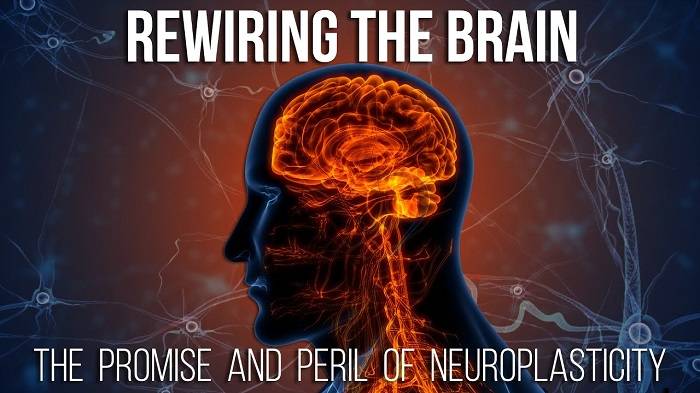
Dr. Andrew Huberman’s research on neuroplasticity, the brain’s remarkable ability to adapt and reorganize itself in response to experiences, forms the basis for understanding how personal growth and cognitive enhancement can be achieved through intentional practices.
Neuroplasticity is the brain’s capacity to rewire its neural connections, form new pathways, and modify existing ones throughout life. Dr. Huberman’s work underscores the significance of neuroplasticity in shaping behavior, cognition, and learning.
Practical ways to harness neuroplasticity for personal growth and cognitive enhancement include:
Learning and Skill Acquisition: Engaging in new learning experiences, acquiring skills, and exposing oneself to novel challenges stimulates the brain’s plasticity. Learning a new language, musical instrument, or pursuing intellectual hobbies can promote cognitive flexibility and enhance neural connections.
Physical Exercise and Movement: Regular physical exercise not only benefits physical health but also supports brain plasticity. Exercise promotes the release of neurotrophic factors, facilitating the growth of new neurons and synaptic connections, enhancing cognitive function and mood.
Mindfulness and Meditation: Mindfulness practices, such as meditation and mindfulness-based stress reduction, can induce changes in brain structure and function. These practices have been associated with increased gray matter density in brain regions involved in emotional regulation, attention, and memory.
Visual and Sensory Stimulation: Exposure to diverse sensory experiences, including visual stimuli, music, and enriched environments, can stimulate neural plasticity. Engaging in activities that challenge perception and sensory processing can promote brain adaptability.
Healthy Lifestyle Habits: Prioritizing adequate sleep, maintaining a balanced diet rich in nutrients, and reducing stress are crucial for optimizing brain health and supporting neuroplasticity. Adequate sleep and stress management positively impact cognitive function and brain adaptability.
Dr. Huberman’s insights underscore the malleability of the brain and its potential for growth and improvement throughout life. By actively engaging in activities that promote neuroplasticity, individuals can enhance cognitive abilities, adapt to new challenges, and facilitate personal development.
Emotional Intelligence and the Brain: Navigating Your Feelings

Dr. Andrew Huberman’s insights into the neural basis of emotional intelligence highlight the intricate connections between brain function and the management of emotions, ultimately contributing to a more fulfilling life.
Emotional intelligence involves the ability to perceive, understand, manage, and express emotions effectively. Dr. Huberman’s research delves into the neural mechanisms that underlie emotional regulation and how individuals can enhance their emotional intelligence.
Key aspects elucidated by Dr. Huberman and other researchers regarding the neural basis of emotional intelligence include:
Amygdala and Emotional Processing: The amygdala, a brain structure involved in processing emotions, particularly fear and emotional responses, plays a crucial role in emotional intelligence. Understanding the amygdala’s function helps in recognizing and regulating emotional reactions.
Prefrontal Cortex and Emotional Regulation: The prefrontal cortex, especially the ventromedial prefrontal cortex (vmPFC) and dorsolateral prefrontal cortex (dlPFC), are implicated in emotional regulation and decision-making. These brain regions influence one’s ability to regulate emotions, make reasoned judgments, and control impulsive reactions.
Neuroplasticity and Emotional Learning: Dr. Huberman’s work emphasizes the brain’s plasticity in learning emotional regulation strategies. By engaging in practices that enhance neuroplasticity, individuals can develop skills for managing emotions, such as mindfulness, cognitive reappraisal, and relaxation techniques.
Practical strategies suggested by Dr. Huberman to improve emotional intelligence and manage emotions for a more fulfilling life include:
Emotion Recognition: Practice recognizing and labeling emotions accurately, both in oneself and others, to develop emotional awareness and empathy.
Emotion Regulation Techniques: Cultivate skills for regulating emotions by employing techniques like deep breathing, mindfulness, reframing thoughts, and practicing self-compassion.
Stress Management: Adopt stress-reduction strategies like regular exercise, adequate sleep, and engaging in activities that promote relaxation to manage emotional responses effectively.
The Science of Focus: Training Your Brain for Concentration

Dr. Andrew Huberman’s research delves into the neuroscience of focus and concentration, shedding light on the brain mechanisms that underlie attention and providing valuable insights into techniques to train the brain for optimal concentration.
Key aspects highlighted by Dr. Huberman and neuroscience research regarding focus and concentration include:
Attention Networks in the Brain: The brain’s attentional system involves various neural networks, including the prefrontal cortex, parietal cortex, and thalamus. These regions play crucial roles in directing attention, sustaining focus, and filtering out distractions.
Neurotransmitters and Focus: Neurotransmitters such as dopamine and norepinephrine play significant roles in regulating attention and arousal levels. Dopamine, in particular, is associated with motivation, reward, and maintaining focus on tasks.
Neuroplasticity and Attention Training: The brain’s plasticity allows for the enhancement of attention and concentration through deliberate practices. Engaging in activities that challenge and train attentional control, such as mindfulness meditation, cognitive training exercises, and sustained attention tasks, can strengthen focus-related neural circuits.
Practical techniques suggested by Dr. Huberman and neuroscience research to enhance concentration include:
Mindfulness Meditation: Practicing mindfulness meditation helps train attention by improving focus on the present moment and increasing awareness of distractions without reacting to them. This technique can enhance the brain’s ability to sustain attention.
Pomodoro Technique: Using the Pomodoro Technique involves working in focused bursts (typically 25 minutes) followed by short breaks. This structured approach helps maintain focus and productivity by allowing brief periods of intense concentration.
Attention-Building Exercises: Engaging in attention-building exercises, such as sustained attention tasks or games that challenge focus and concentration, can improve attentional control and cognitive performance.
Optimizing Environment: Creating an environment conducive to focus, minimizing distractions, and establishing a regular routine can aid in sustaining attention and improving concentration levels.
Brain-Body Connection: How Movement Impacts Mental Health
Dr. Andrew Huberman’s research delves into the intricate relationship between physical movement and mental well-being, highlighting the profound impact of exercise on brain health and cognitive function.
Physical exercise is recognized as one of the most powerful lifestyle factors that positively influence brain health and mental well-being. Dr. Huberman’s insights, backed by neuroscience research, reveal several ways in which exercise benefits the brain:
Neuroplasticity and Brain Growth: Exercise promotes neuroplasticity, the brain’s ability to reorganize and form new neural connections. Regular physical activity stimulates the growth of new neurons (neurogenesis) and supports synaptic plasticity, contributing to improved brain function and cognition.
Neurotransmitter Regulation: Exercise influences the release and regulation of neurotransmitters such as dopamine, serotonin, and norepinephrine, which play vital roles in mood regulation, motivation, and cognitive function. Increased neurotransmitter levels due to exercise contribute to enhanced mood and reduced stress.
Brain-Derived Neurotrophic Factor (BDNF): Exercise stimulates the production of BDNF, a protein that supports the growth, survival, and differentiation of neurons. Higher levels of BDNF are associated with improved learning, memory, and overall brain health.
Cerebral Blood Flow and Oxygenation: Physical activity enhances cerebral blood flow and oxygen delivery to the brain, ensuring optimal brain function. Improved blood flow facilitates nutrient and oxygen supply to brain cells, supporting cognitive performance.
Dr. Huberman underscores the importance of regular exercise and its role in supporting mental well-being and optimizing brain function. Various forms of exercise, including aerobic exercises (running, cycling), resistance training (weightlifting), yoga, and even simple activities like walking, contribute to brain health.
The recommended exercise guidelines for optimal brain health include:
Regularity: Consistent engagement in physical activity, aiming for at least 150 minutes of moderate-intensity exercise per week, or 75 minutes of vigorous-intensity exercise, along with muscle-strengthening activities twice a week.
Variety: Incorporating a variety of exercises that include cardiovascular workouts, strength training, flexibility exercises, and activities that challenge balance and coordination provides comprehensive benefits to brain health.
The Role of Meditation in Rewiring the Brain
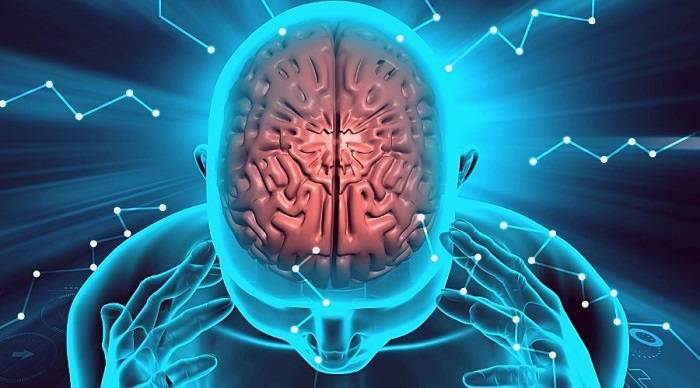
Dr. Andrew Huberman’s exploration into the neuroscience of meditation sheds light on its transformative effects on the brain, highlighting how regular meditation practices can positively influence brain structure and function.
Neuroscience research indicates several ways in which meditation impacts the brain:
Structural Changes: Regular meditation has been associated with structural changes in the brain, including increased gray matter density in regions related to attention, emotional regulation, and self-awareness. Areas such as the prefrontal cortex and insula, crucial for cognitive control and emotional processing, exhibit alterations due to meditation.
Neuroplasticity: Meditation promotes neuroplasticity, the brain’s ability to reorganize and adapt. By engaging in mindfulness practices, individuals can rewire neural circuits involved in attention, emotion regulation, and self-awareness, fostering resilience and cognitive flexibility.
Functional Connectivity: Meditation influences functional connectivity patterns in the brain, enhancing communication between brain regions. It can strengthen connections between regions associated with attentional control, emotional regulation, and the default mode network, impacting self-referential thoughts and mind wandering.
Practical insights from Dr. Huberman and neuroscience research on incorporating meditation into daily routines include:
Mindfulness Meditation: Practicing mindfulness involves focusing attention on the present moment without judgment. Simple techniques like mindful breathing, body scans, or observing sensations can help train attention and enhance awareness.
Consistency and Duration: Regularity is key in reaping the benefits of meditation. Starting with short sessions (5-10 minutes) and gradually increasing duration allows for habit formation. Consistency in practice is more important than duration, ensuring the integration of meditation into daily routines.
Finding a Suitable Method: Exploring various meditation techniques (mindfulness, loving-kindness, transcendental meditation) and finding one that resonates with individual preferences and goals can enhance the effectiveness and sustainability of practice.
Creating a Dedicated Space: Establishing a designated meditation space at home, free from distractions, can facilitate a conducive environment for practice. A comfortable cushion, chair, or mat can aid in posture and relaxation.
Optimizing Cognitive Performance: Strategies for Peak Brain Function

In Dr. Andrew Huberman’s exploration of optimizing cognitive performance, he consolidates a range of key strategies encompassing lifestyle habits, cognitive exercises, and holistic approaches aimed at achieving peak brain function.
Physical Exercise and Brain Health: Regular physical activity stands as a pillar for optimal cognitive performance. Exercise not only boosts blood flow to the brain but also promotes neuroplasticity, encouraging the growth of new neurons and supporting cognitive function.
Quality Sleep and Cognitive Function: Prioritizing sufficient and restorative sleep is crucial for cognitive performance. Adequate sleep enhances memory consolidation, problem-solving abilities, and overall cognitive processing, contributing to improved brain function.
Nutrition and Brain Health: Consuming a balanced diet rich in nutrients, including omega-3 fatty acids, antioxidants, and B-vitamins, supports brain health and cognitive function. Nutrient-dense foods contribute to optimal brain performance.
Stress Management and Mental Resilience: Implementing stress-reduction techniques, such as mindfulness, relaxation exercises, and adequate breaks, helps manage stress levels. Lower stress supports better cognitive performance and decision-making.
Cognitive Training and Mental Agility: Engaging in cognitive exercises, puzzles, brain teasers, or learning new skills challenges the brain and enhances cognitive agility. These activities promote neuroplasticity and improve cognitive function.
Mindfulness and Focus: Cultivating mindfulness practices enhances attentional control and focus, contributing to improved cognitive performance. Techniques like mindful breathing or meditation can train attention and support better concentration.
Social Interaction and Brain Stimulation: Maintaining social connections and engaging in intellectually stimulating conversations or activities fosters cognitive engagement. Interacting with others challenges the brain and supports cognitive health.
Related Posts:
- The Ultimate Guide to Road Trip Podcasts: Enhance Your Journey with Engaging Stories
- Unveiling the Power of Cleanfeed: A Comprehensive Guide to Crystal-Clear Audio
- Unlocking Podcast Success with Podpage: A Comprehensive Guide for Podcasters
FAQs:
Are these podcast episodes suitable for beginners in neuroscience?
Absolutely! Dr. Huberman breaks down complex topics into digestible insights, making them accessible to both beginners and neuroscience enthusiasts.
How can I access Huberman Lab podcasts?
Huberman Lab podcasts are widely available on major platforms such as Spotify, Apple Podcasts, and Google Podcasts for easy access.
Are there additional resources recommended by Dr. Huberman in these episodes?
Yes, throughout the podcasts, Dr. Huberman often recommends books, articles, and further reading for those eager to delve deeper into specific topics.
Can these podcasts help with specific mental health challenges?
Many episodes touch upon mental health topics, offering valuable insights and strategies. However, for specific concerns, it’s advisable to consult with a mental health professional.
Embark on a journey of intellectual exploration with the Huberman Lab podcast episodes mentioned above. Whether you’re seeking to enhance cognitive performance, manage stress, or simply understand the inner workings of the brain, Dr. Andrew Huberman’s insightful discussions provide a roadmap for personal growth and neurological well-being. Tune in, absorb the knowledge, and witness the transformation of your understanding of neuroscience. Your brain will thank you.